Ten Famous Prisons You Can Visit Today

Prisons are built to be forgotten; museums exist to remember. Around the world, decommissioned gaols and island fortresses have opened to visitors, their corridors kept intact so the stories won’t fade. From revolutionary cells to isolation blocks, these ten sites turn punishment into public history.

Alcatraz Island with lighthouse and prison cellhouse above San Francisco Bay

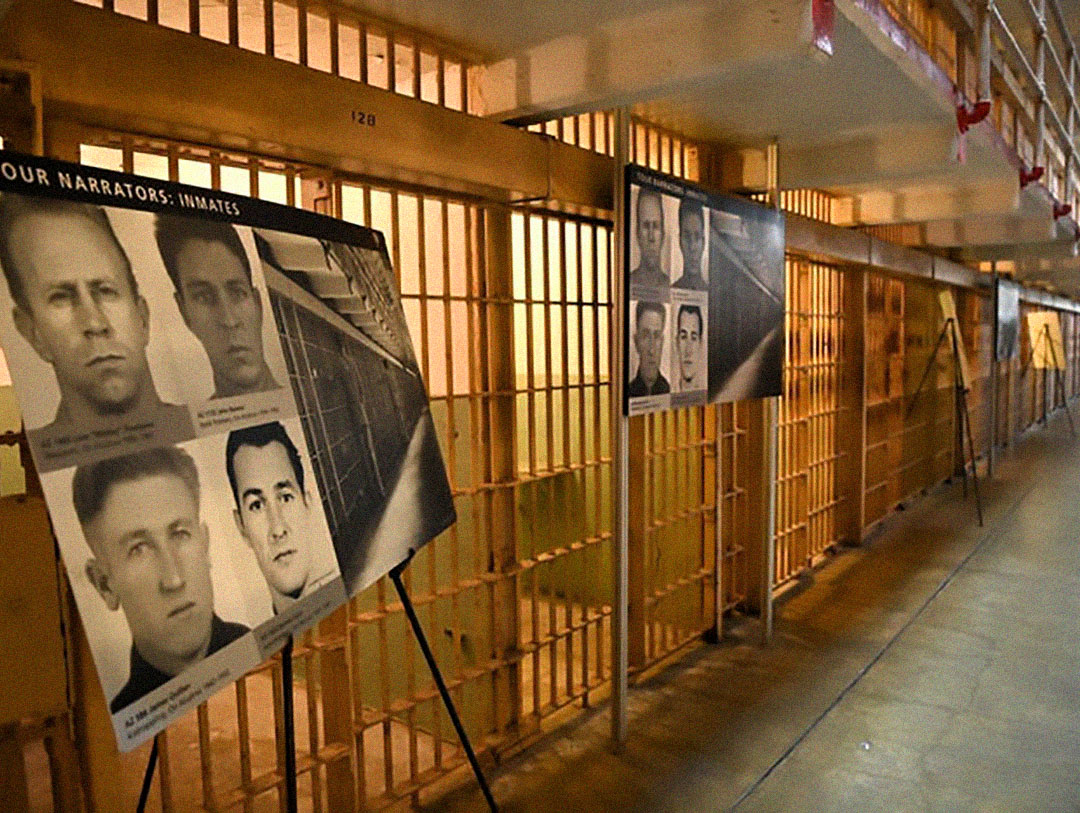
Alcatraz Federal Penitentiary – San Francisco, USA

Once America’s most notorious island prison, “The Rock” held gangsters, escape artists, and men the system didn’t trust anywhere else. Today you ferry past wind-swept water to walk the cellhouse, D-Block isolation, and a yard with a postcard view of a city just out of reach.
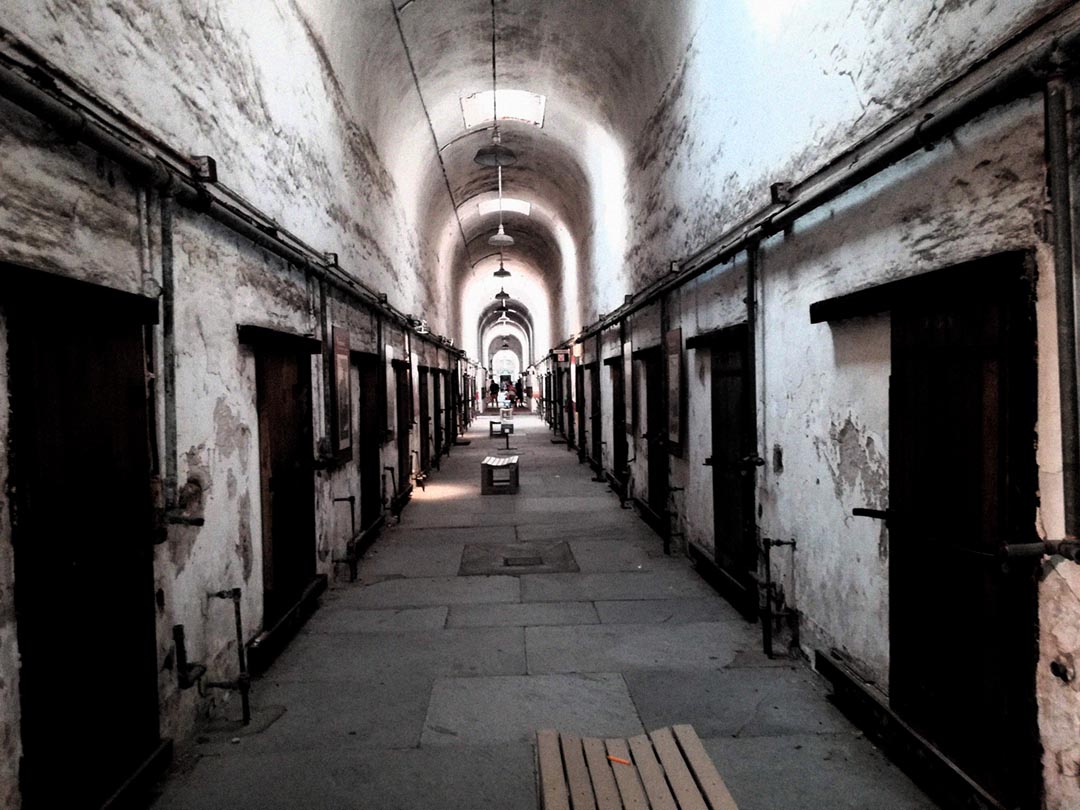
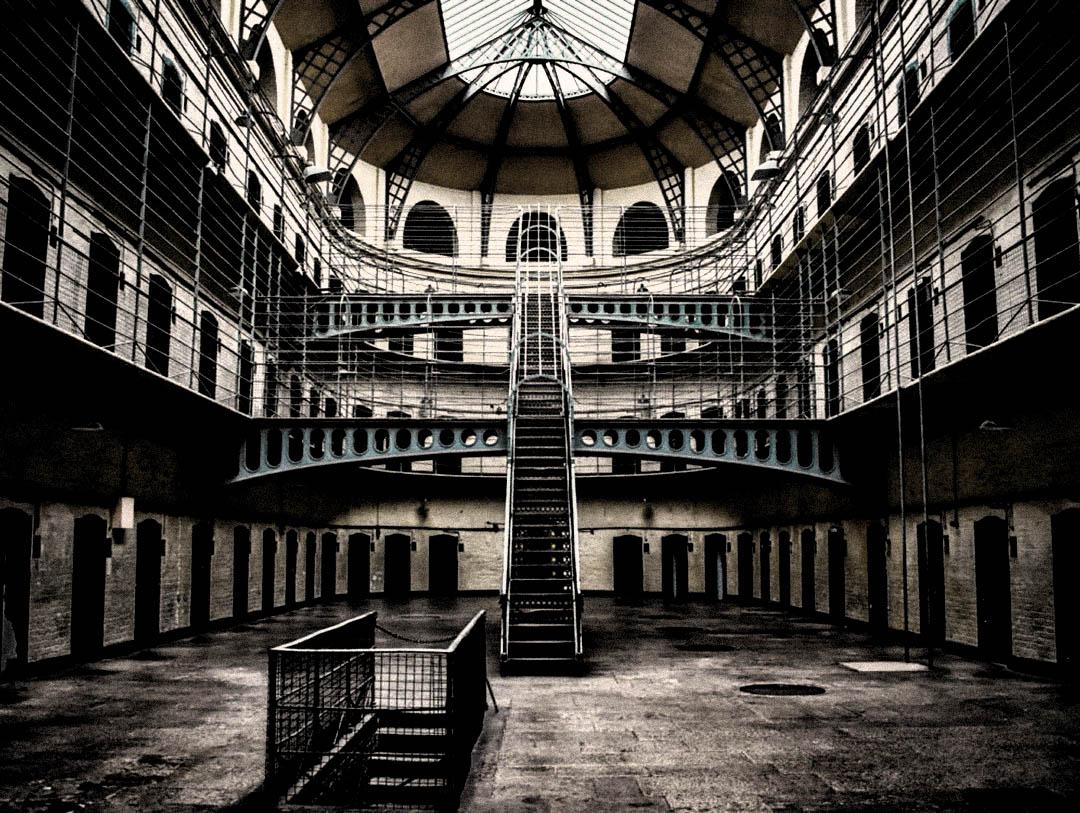
Radial prison block and crumbling cells at Eastern State Penitentiary

Eastern State Penitentiary – Philadelphia, USA

A brooding Gothic hulk where the modern “penitentiary” was born. Its radial design and solitary cells were meant to inspire reflection; instead they often produced silence and despair. Now a powerful museum that confronts incarceration’s legacy.

Skylit Victorian wing with iron balconies at Kilmainham Gaol in Dublin

Kilmainham Gaol – Dublin, Ireland

A national memory palace of uprisings and reprisals. Leaders of multiple Irish rebellions were imprisoned and, in 1916, executed here. The vast east wing contrasts with tiny, cold cells that shaped a nation’s story.

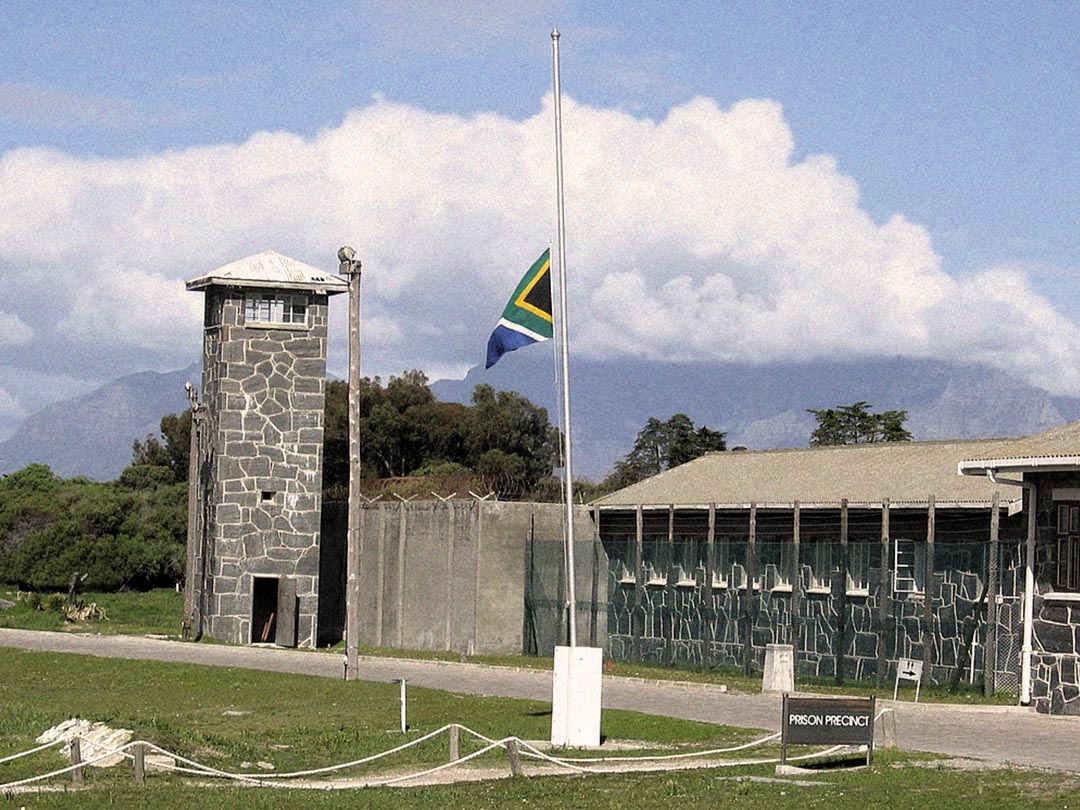
Cell blocks and courtyard on Robben Island with Table Mountain in the distance

Robben Island Prison – Cape Town, South Africa

Across the bay from Table Mountain, this former maximum-security prison housed political prisoners including Nelson Mandela. Former inmates guide many tours, turning courtyards and lime quarries into classrooms on dignity and resistance.

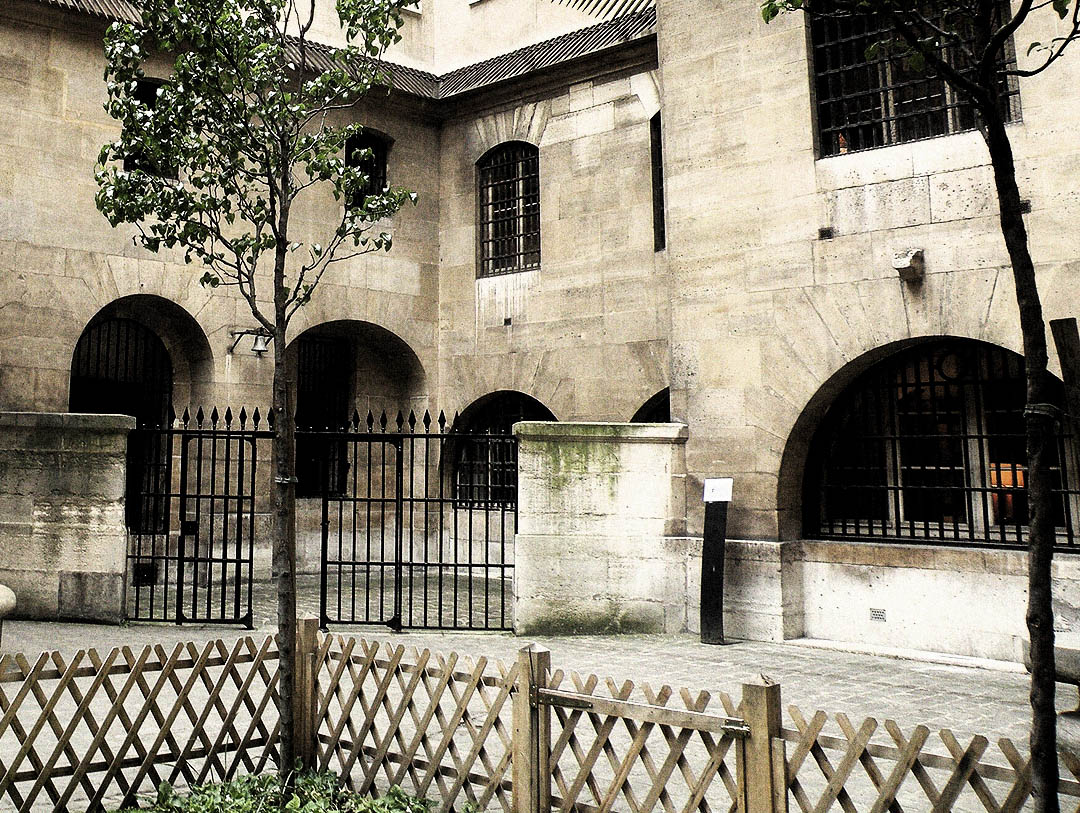
Medieval halls and prison exhibit inside the Conciergerie in Paris

The Conciergerie – Paris, France

Once a royal palace turned revolutionary prison, it held thousands during the Reign of Terror — among them Marie Antoinette. Vaulted halls and reconstructed cells trace the city’s slide from courtly grandeur to tribunal and guillotine.

These sites aren’t dark attractions; they’re repositories of difficult knowledge. Go with time, go with care, and let the architecture do its slow, steady work — turning walls built for silence into rooms that speak.