Eastern State Penitentiary
Eastern State Penitentiary, once the most famous and expensive prison in the world, is now a hauntingly abandoned landmark known for its dark history and ghostly legends.
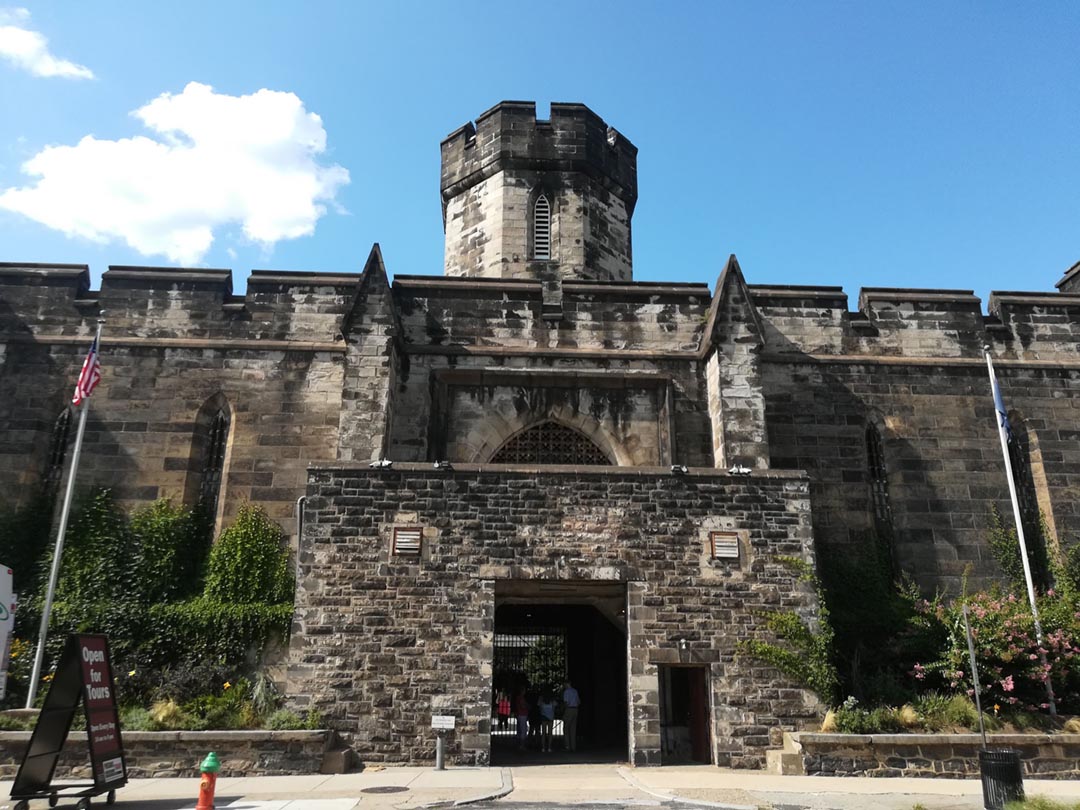
Behind a thirty-foot stone wall in Philadelphia stands what looks, at first glance, like a ruined medieval fortress. Eastern State Penitentiary was actually built in the 1820s, and the intimidating appearance was entirely deliberate. The real experiment was taking place inside. Eastern State was created around a radical idea: instead of whipping, beating or publicly humiliating criminals, lock each prisoner alone in a cell, give them work and a Bible, and leave them with enough silence to contemplate what they had done. In theory, isolation would produce penitence. In practice, it created one of the most controversial prison systems of the 19th century.
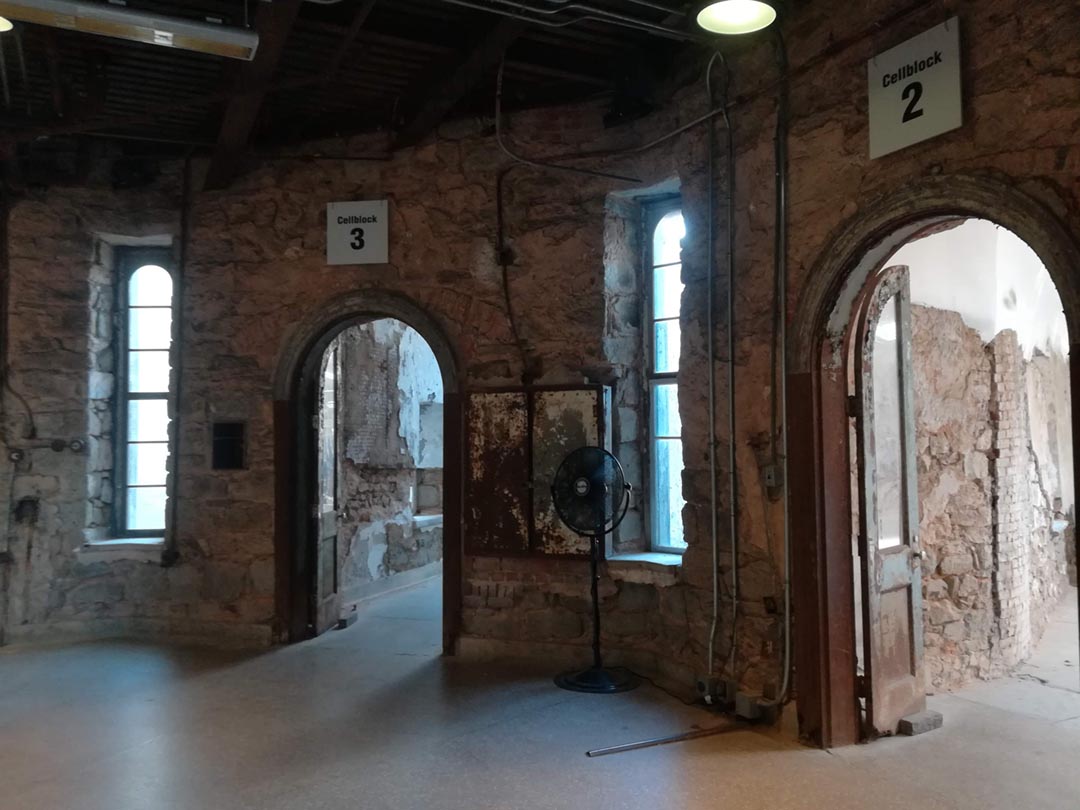
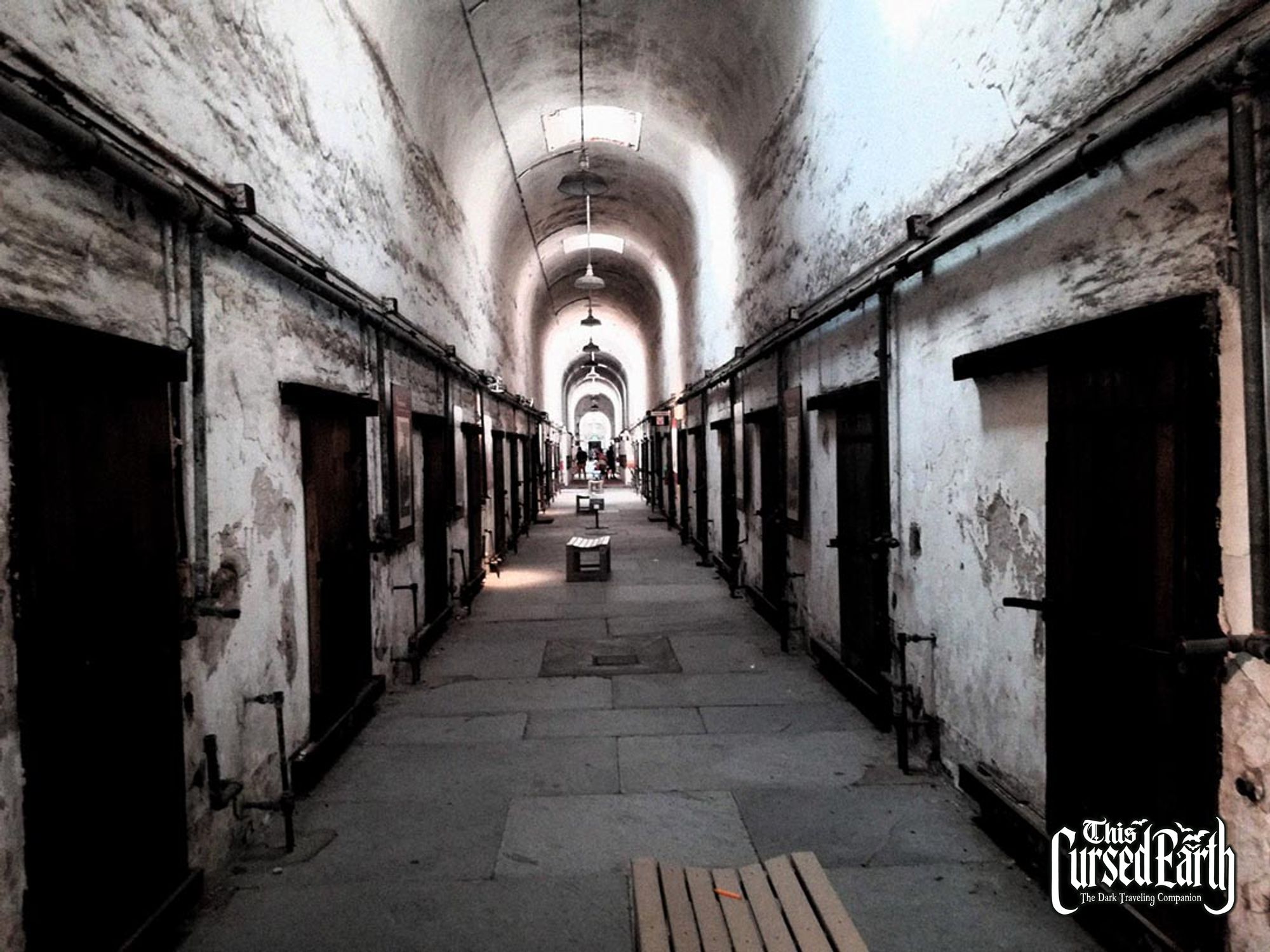
Eastern State opened on 25 October 1829 with its first prisoner, burglar Charles Williams. British-born architect John Haviland designed seven cellblocks radiating from a central hub like spokes on a wheel, allowing guards standing in the centre to look straight down the corridors. The exterior was deliberately Gothic and threatening, while the interior was intended to feel almost religious. Cells had high vaulted ceilings and a single round skylight known rather ominously as the dead eye, allowing a narrow patch of daylight to fall into the room from above.
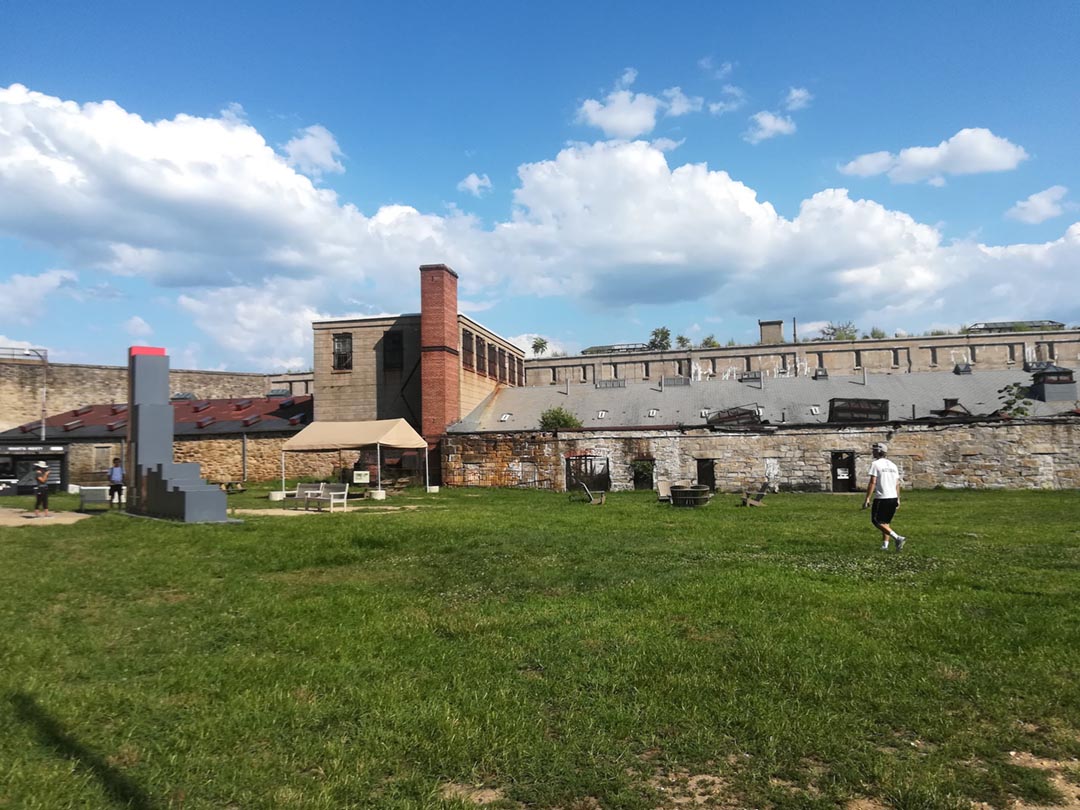
For its time, the prison was surprisingly advanced. Each original cell had central heating, running water and a flushing toilet at a time when even the White House had no running water. Every prisoner also had a tiny private exercise yard surrounded by walls around three metres high. These comforts were not provided to make prison pleasant. They existed so that a prisoner could eat, work, exercise and use the toilet without ever having to meet another prisoner.
Silence was central to what became known as the Pennsylvania System. Prisoners spent almost all of their time alone and were forbidden from communicating with each other. Meals were passed through small openings in the doors. Guards reportedly wore wool coverings over their shoes to make their footsteps quieter. When prisoners had to be moved through parts of the penitentiary where they might encounter others, masks or hoods could be placed over their heads. The authorities wanted each person to feel almost as though they were the only prisoner in the entire building.
Not everyone was impressed by this supposedly humane new approach. Charles Dickens visited Eastern State in 1842 and came away horrified. He considered prolonged solitary confinement psychologically destructive and described the system as cruel and wrong. What particularly disturbed him was that the damage could happen quietly. A beating left visible injuries; a person mentally deteriorating alone inside a cell was considerably easier to ignore.
The irony is that Eastern State itself became something of a tourist attraction while it was still operating. People travelled from around the world to see the revolutionary American prison, and more than 10,000 visitors toured the penitentiary in 1858 alone. Its architecture influenced the design of hundreds of prisons internationally. The system was admired, copied, criticised and debated for decades, even as Eastern State itself gradually discovered that complete separation became almost impossible once the prison population started growing.
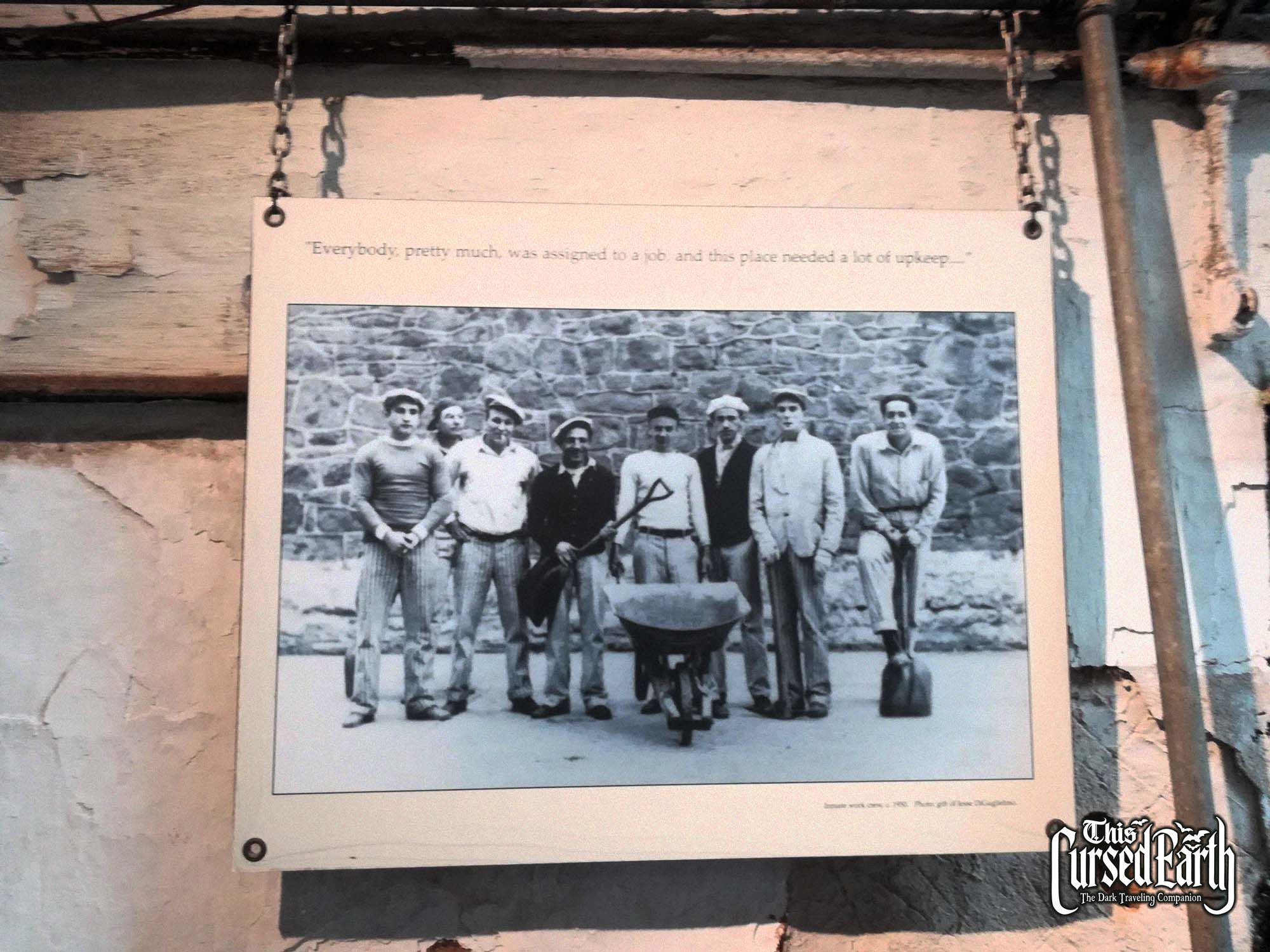
The original penitentiary had been designed for roughly 250 prisoners. By the 1920s, around 1,700 people could be crammed inside. Cells intended for one person were shared, exercise yards were converted into workshops and additional cellblocks filled the spaces between Haviland's original wings. Eastern State formally abandoned the Pennsylvania System in 1913. Solitary confinement did not disappear, however. It simply changed purpose. Underground punishment cells known as the Klondike later isolated prisoners not to save their souls, but to punish them.
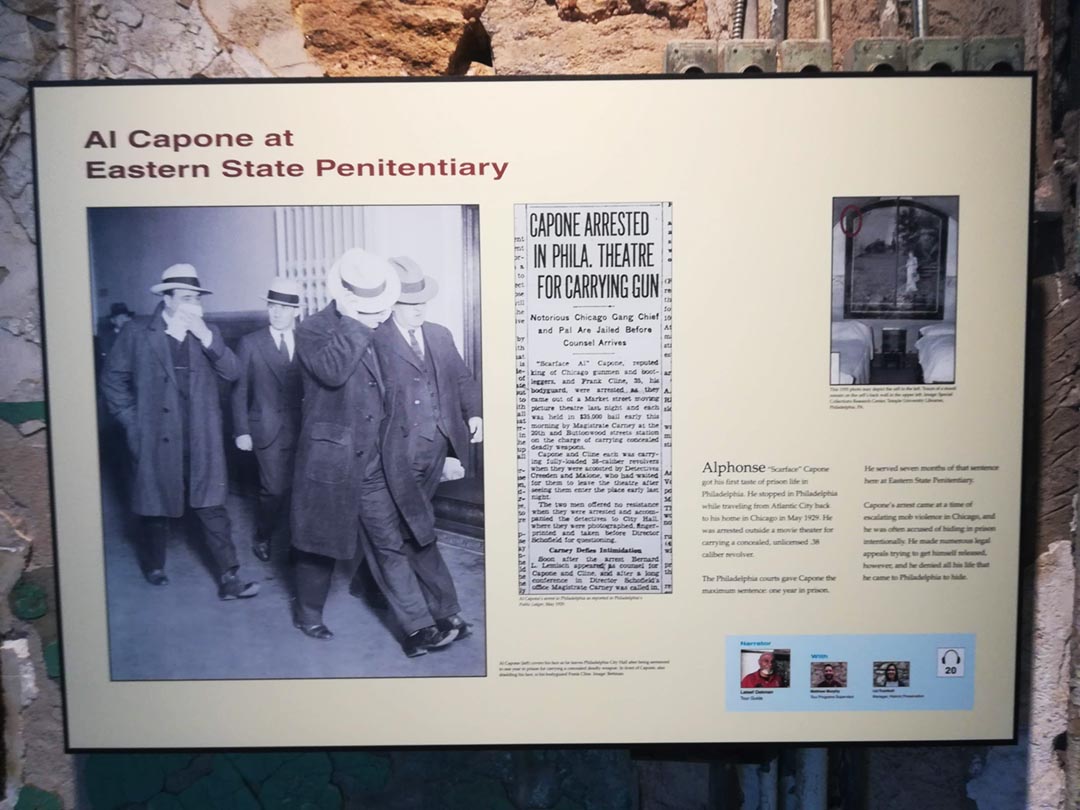
Eastern State also collected some famous inmates. The best known was Chicago gangster Al Capone, who arrived in 1929 after being convicted of carrying a concealed weapon. This was before the tax-evasion conviction that would eventually send him to federal prison, but Capone was already one of America's most notorious gangsters. His accommodation at Eastern State was reportedly rather different from that of an ordinary prisoner.
A contemporary newspaper described Capone's cell as containing paintings, a polished desk, a cabinet radio and other comforts that made it look more like a modest private room than a prison cell. Eastern State has recreated that room based on the 1929 description, complete with furniture, rugs and a radio. The exact cell Capone occupied is not known with complete certainty, but the preferential treatment appears to have been very real. One popular theory claimed that Capone deliberately arranged to be imprisoned in Philadelphia to hide from enemies in Chicago. Eastern State's researchers are sceptical of that story, particularly because Capone spent considerable money trying to get himself released.
Another famous prisoner, bank robber William “Slick Willie” Sutton, became involved in one of Eastern State's greatest embarrassments. Early on 3 April 1945, twelve prisoners emerged outside the walls after crawling through a tunnel dug from Cellblock 7 beneath the prison. The passage had taken months to construct and ran under the massive perimeter wall before emerging near Fairmount Avenue. Clarence Klinedinst, a plasterer imprisoned for burglary, played a central role in creating the tunnel, while Sutton was among the men who crawled through it.
For a few moments, it worked perfectly. Twelve prisoners had escaped through the first successful tunnel in Eastern State's history. Then everything began falling apart. Some were recaptured within hours, while others remained free longer, but eventually every one of the escapees was caught. The incident was humiliating enough that an investigation followed and the prison warden resigned later that year. Sutton himself would eventually become far more successful at escaping other prisons, which probably explains why the Eastern State tunnel is so often remembered as “Willie Sutton's escape”.
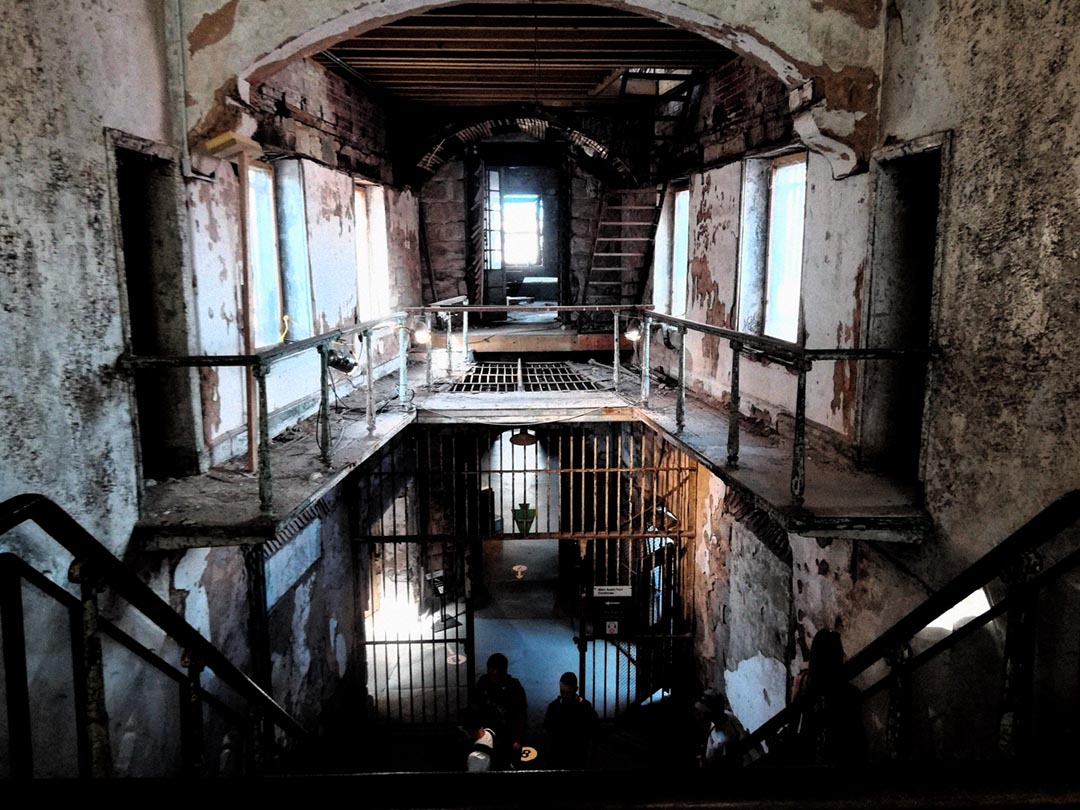
By the 1960s, the prison was hopelessly outdated and increasingly expensive to maintain. Pennsylvania stopped using Eastern State as a state prison in 1970, and Philadelphia briefly continued housing prisoners there before finally closing the gates in 1971. For the next two decades the enormous complex was abandoned. Roofs failed, plaster collapsed, trees grew inside the cellblocks and vegetation pushed through floors that had once been kept obsessively controlled. Cats moved into the ruins. A prison designed around absolute order was slowly being reclaimed by nature.
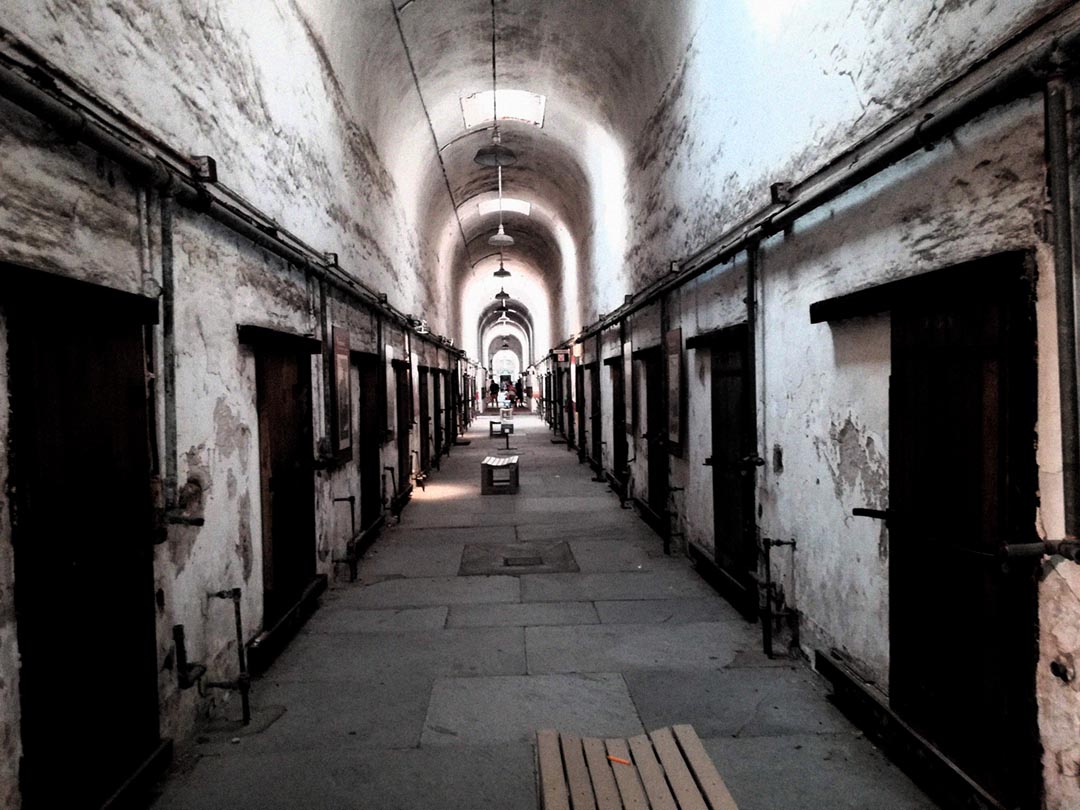
Demolition was seriously considered, but preservationists eventually succeeded in saving the complex. Limited public tours began in 1994, with much of Eastern State deliberately left in a state of “preserved ruin”. That decision is a large part of what makes the place so effective today. Paint peels from the walls, rust covers the cell doors and entire corridors seem to dissolve into darkness and vegetation. This is not a polished reconstruction of an abandoned prison. Much of the decay is real.
Unsurprisingly, Eastern State has also acquired a substantial reputation for ghosts. Stories of footsteps, voices, shadowy figures and unexplained sounds have circulated for years, and the prison has appeared in numerous paranormal television programmes. The historic site itself is rather more cautious and does not present paranormal claims as established history. It does, however, know exactly how unsettling the building can be. Since 1991, Halloween events have helped fund its preservation, eventually developing into the enormous Halloween Nights event held inside the prison each autumn.
Location: Eastern State Penitentiary is located in Philadelphia, Pennsylvania, USA
Address: 2027 Fairmount Ave, Philadelphia, PA 19130, United States
Category: prison, historical site, ghosts
Tags: ghosts, Al Capone, prison, mafia
Darkness Level: ☠ ☠ ☠ ☠ ☠ ☠ ☠ ☠ ☠
Homepage: easternstate.org
Map: Open in Google Maps
Gallery