Viking Runes at Hagia Sophia
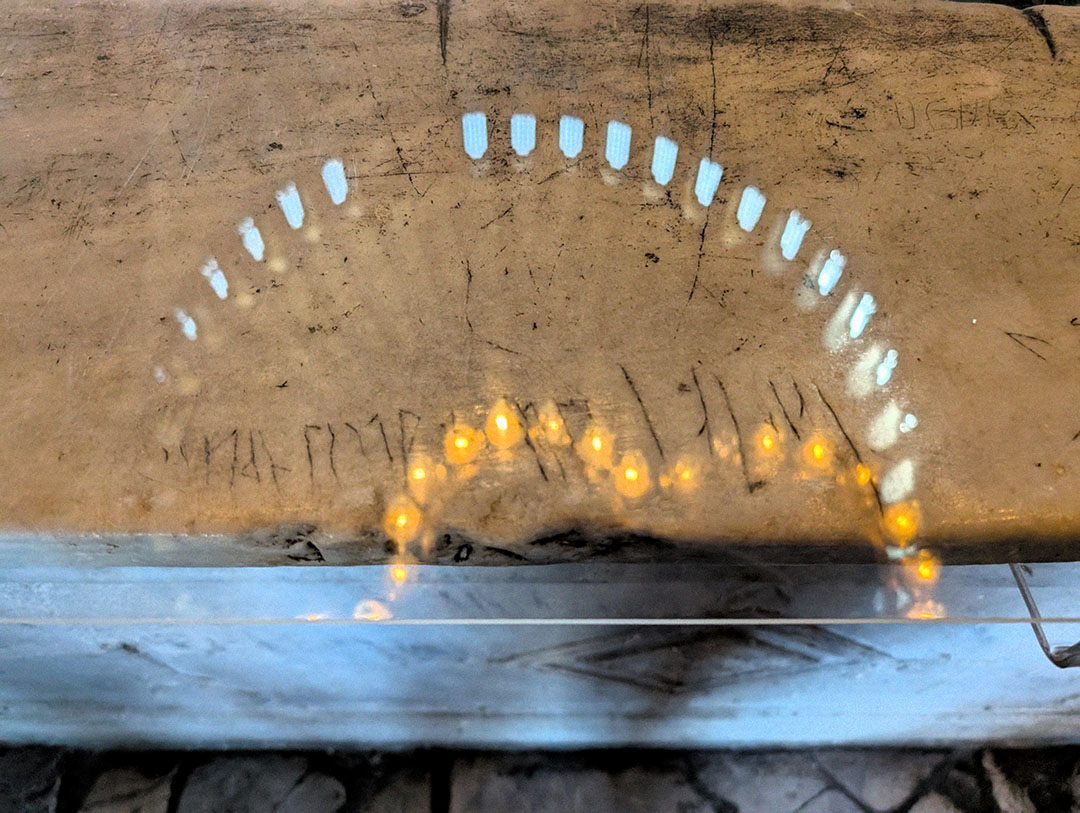
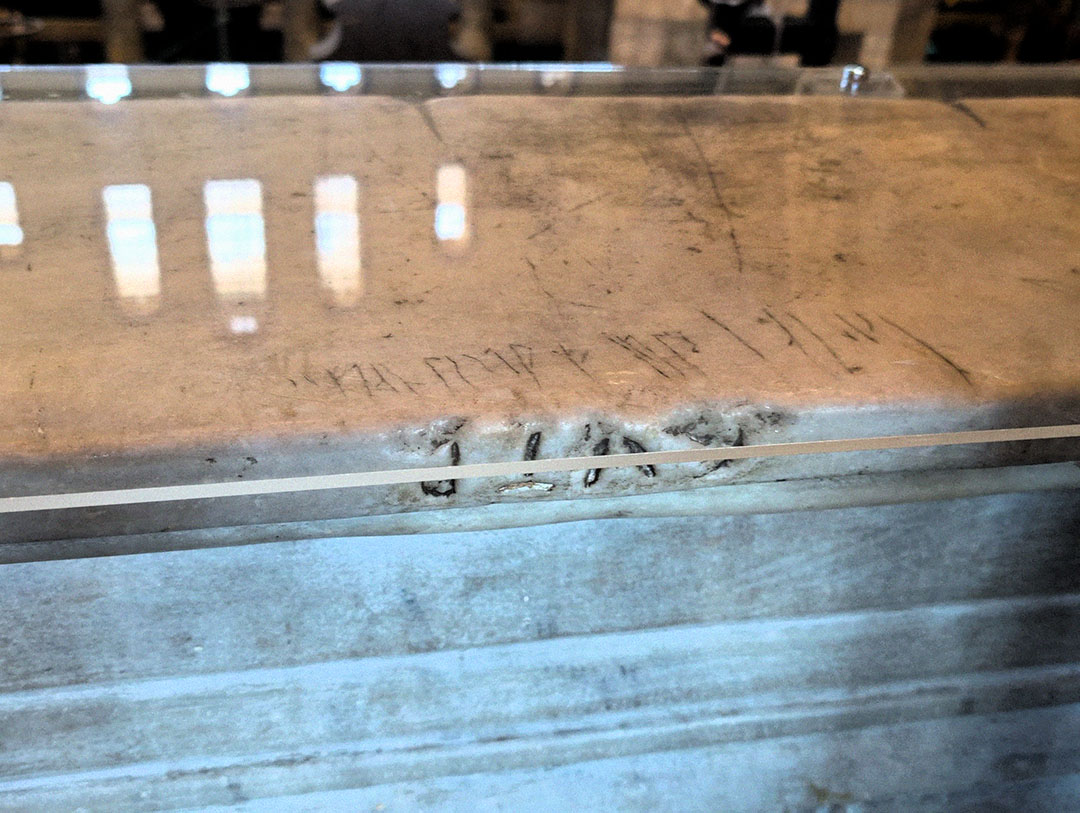
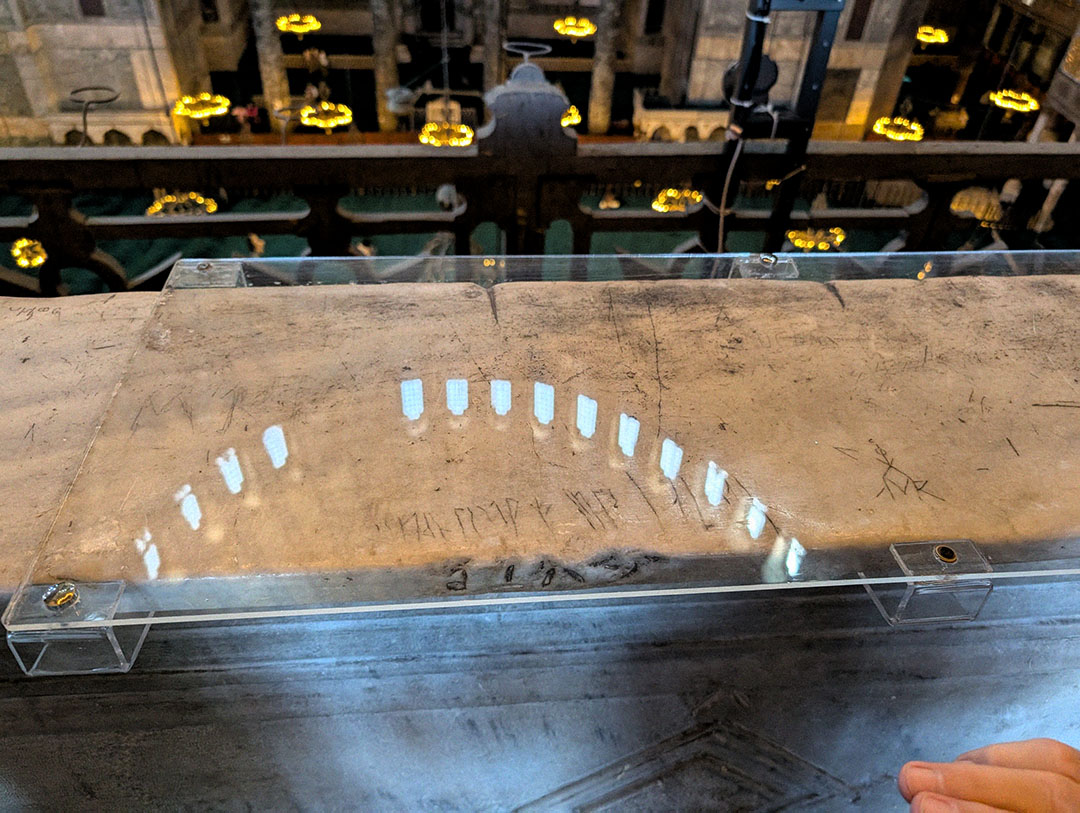
Ancient Norse graffiti carved into the marble balustrades of Istanbul’s Hagia Sophia — silent traces of Vikings who once served in Byzantium.
The Viking Runes at Hagia Sophia are among the most intriguing remnants of the Norse presence in the East. Hidden within the vast interior of Istanbul’s Hagia Sophia, these faint inscriptions were carved by members of the Varangian Guard — elite Viking warriors who served as personal bodyguards to the Byzantine emperors nearly a thousand years ago.
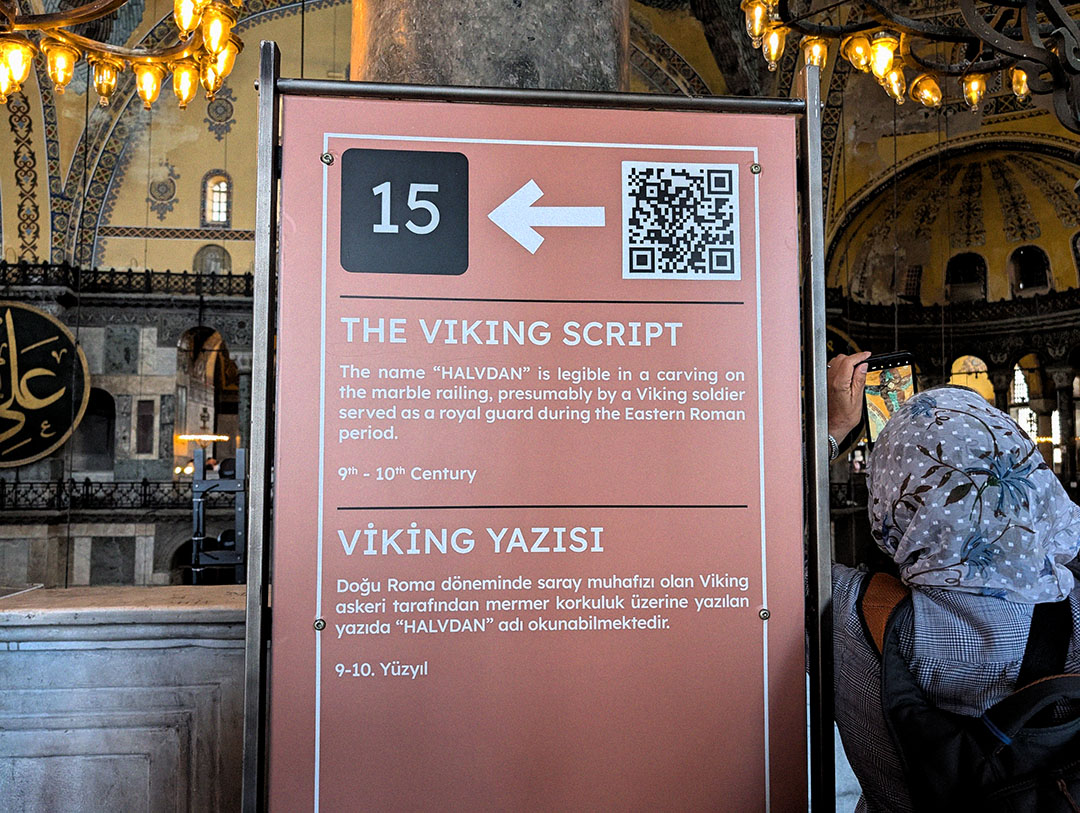
The best-known carving, found on the marble balustrade of the upper south gallery, reads “Halvdan was here” (“Halvdan carved these runes”), etched sometime in the 9th or 10th century. Another, fainter inscription was later discovered nearby, possibly by a different Norse visitor. Though brief, these scratches bridge worlds: Scandinavian seafarers and Orthodox Byzantines, frozen together in the same stone.
Standing in Hagia Sophia today — surrounded by mosaics, domes, and centuries of history — it’s hard not to feel the presence of those foreign mercenaries who once gazed upon the same golden icons. The runes are a small but powerful reminder that even in the heart of Constantinople, the Vikings left their mark — literally.
Location: Inside Hagia Sophia, on the upper south gallery, Istanbul.
Address: Ayasofya Meydanı No:1, Sultanahmet, Fatih, Istanbul, Turkey
Category: archaeology, Viking, inscription
Tags: Viking Runes, Hagia Sophia, Varangian Guard, Halvdan, Norse, Byzantium, Istanbul
Darkness Level: ☠ ☠ ☠ ☠
Homepage: ayasofyamuzesi.gov.tr
Map: Open in Google Maps
Gallery