Torås Fort
A preserved coastal fortress on Tjøme, begun by Norway before World War II and completed by the German occupation forces, later used by the Norwegian Coastal Artillery and as a secret training site for Norway’s Cold War Stay Behind network.
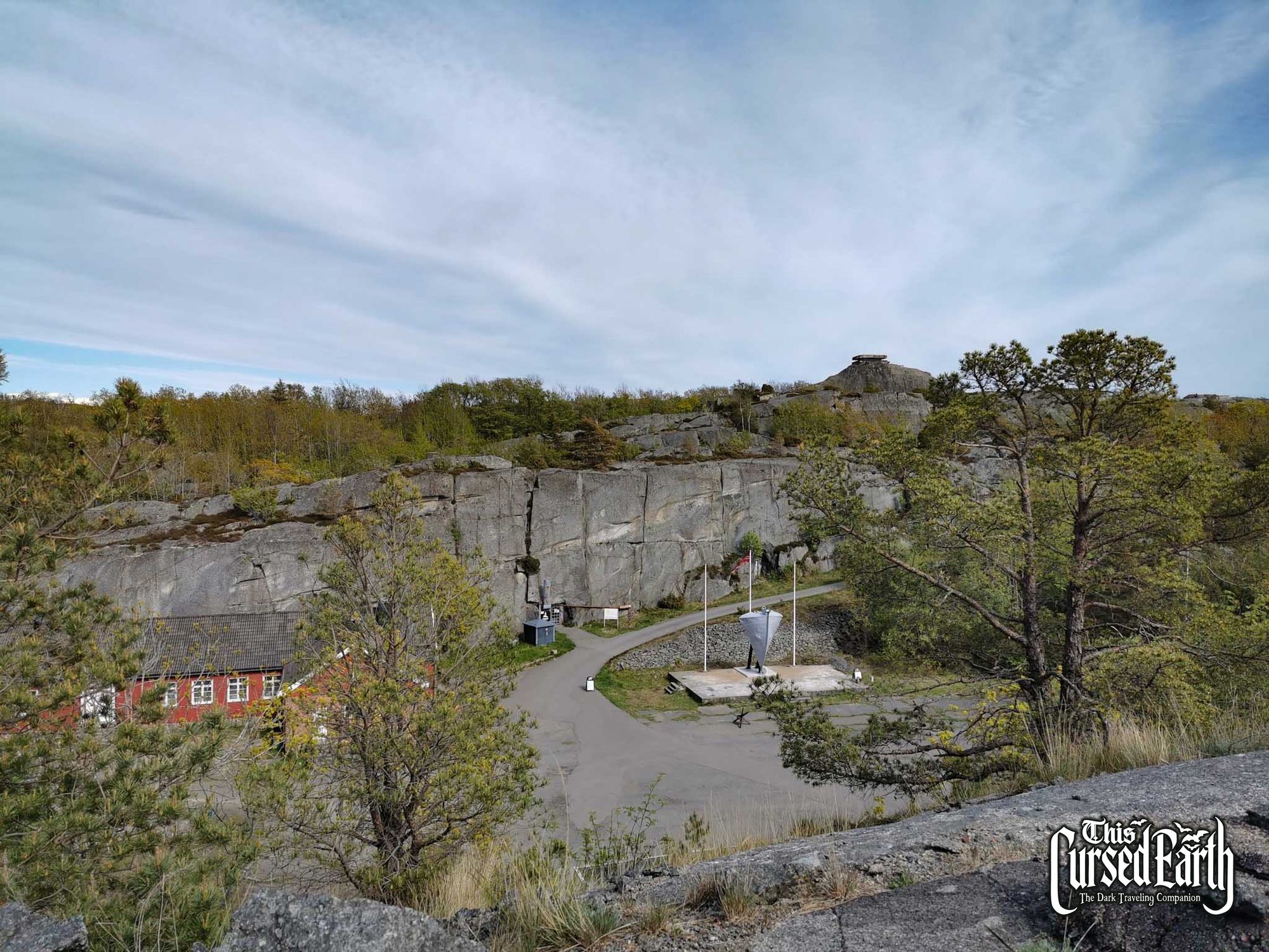
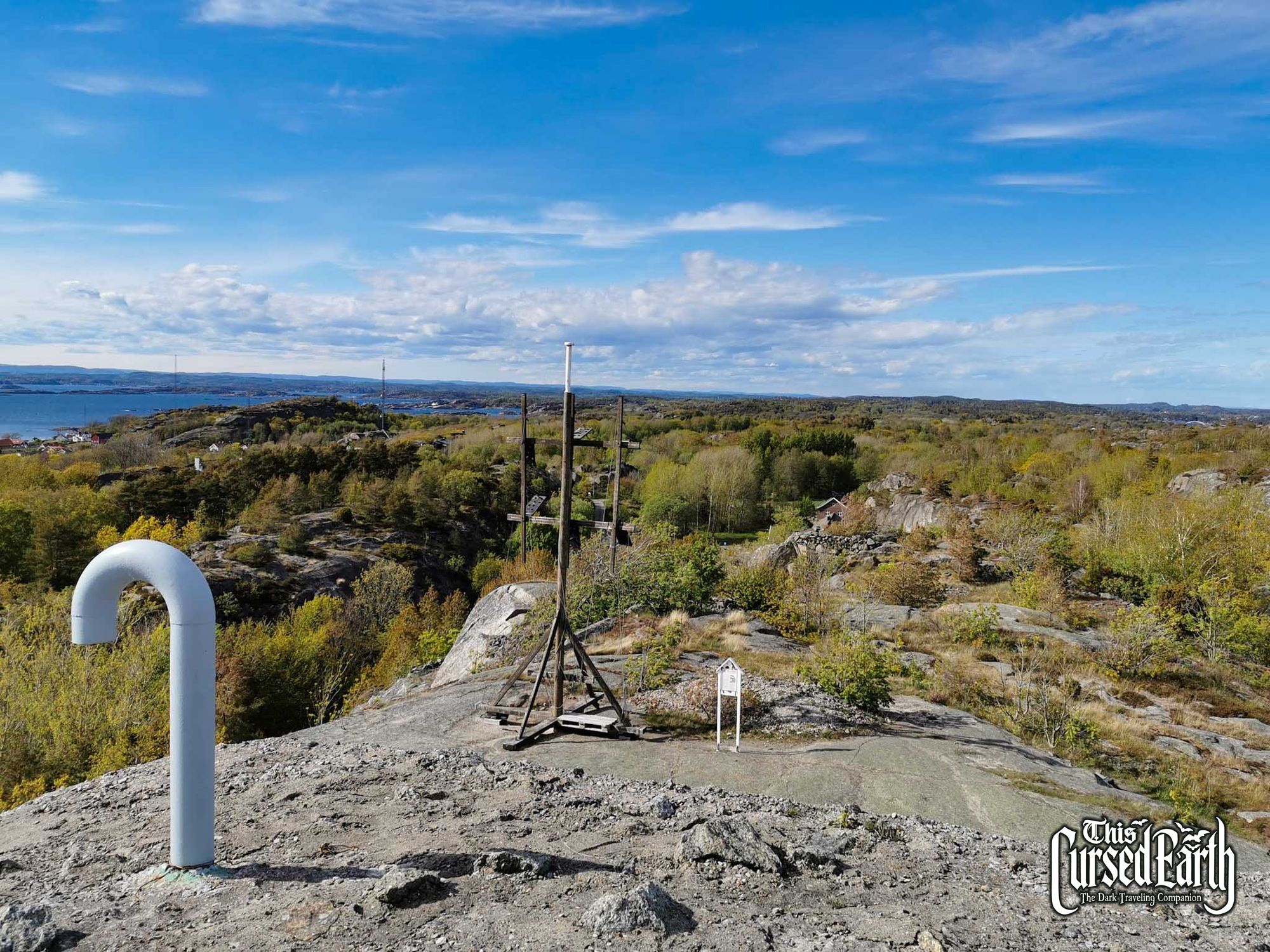
Torås Fort is a former coastal artillery fortress on the island of Tjøme in Vestfold. Norwegian authorities began developing the site shortly before World War II as part of the defences of the outer Oslofjord. When Germany invaded Norway in April 1940, the fort was not yet complete. The occupation forces continued and greatly expanded the construction, incorporating Torås into the German coastal-defence system protecting the approaches to Oslo.
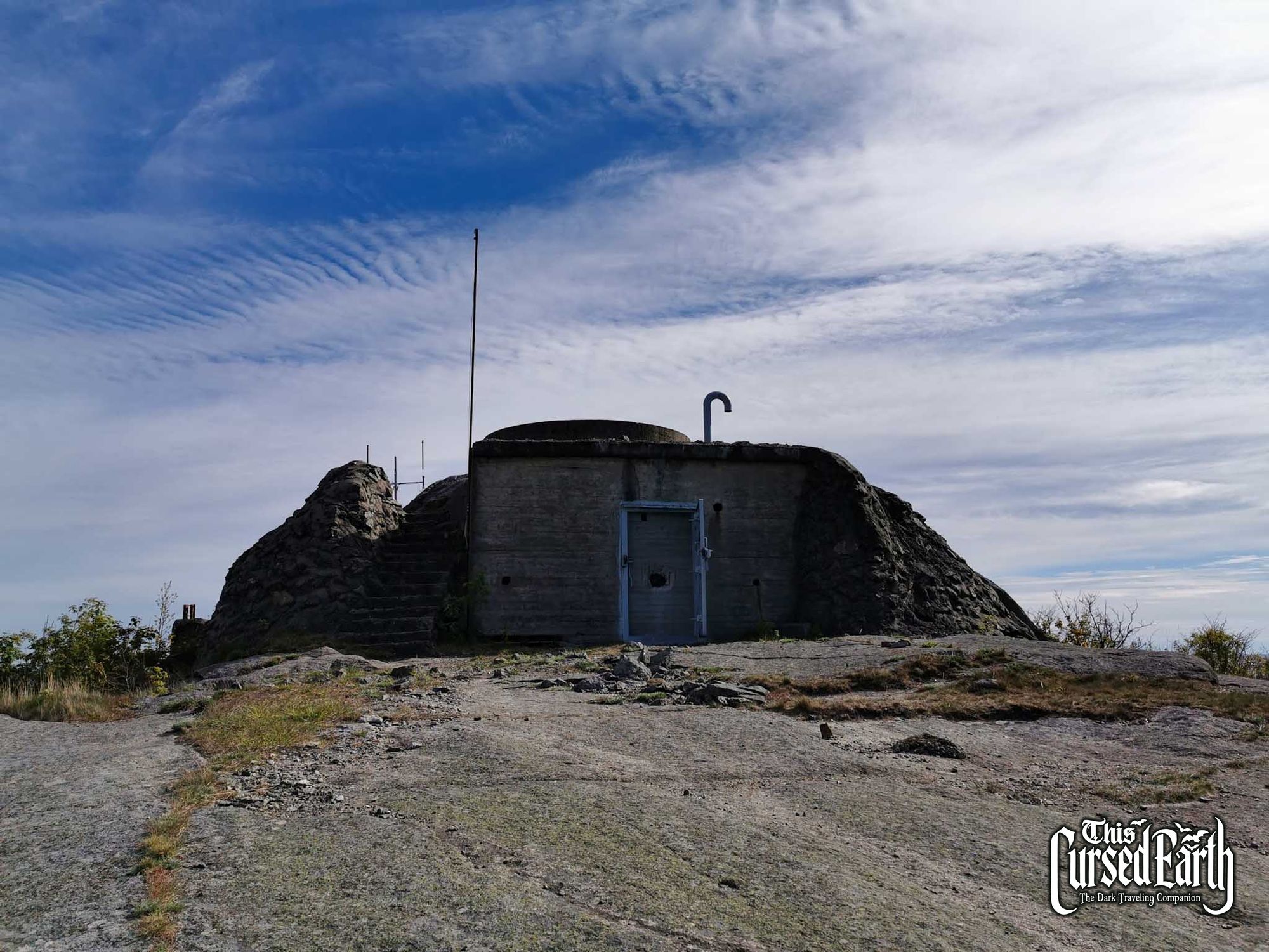
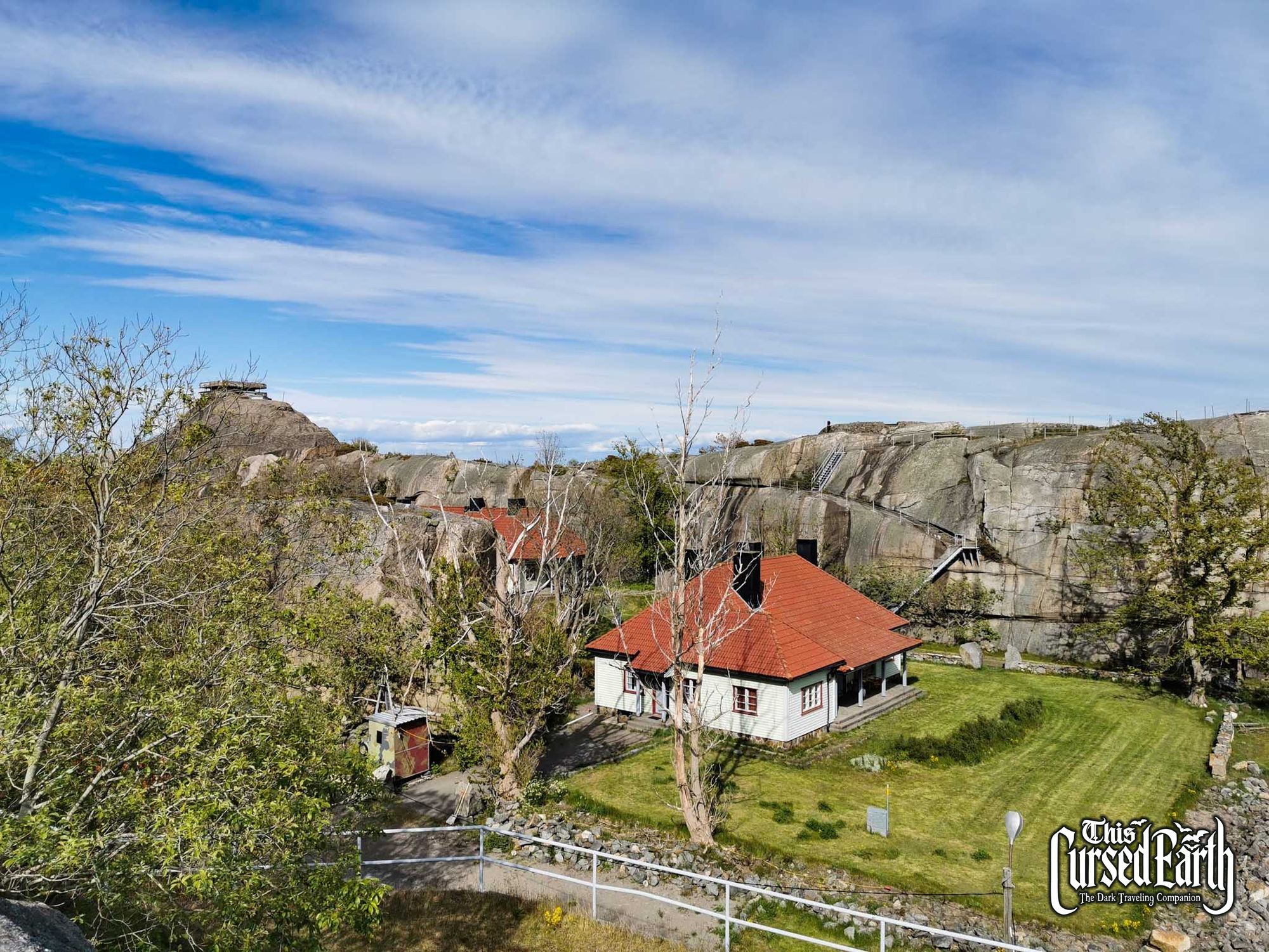
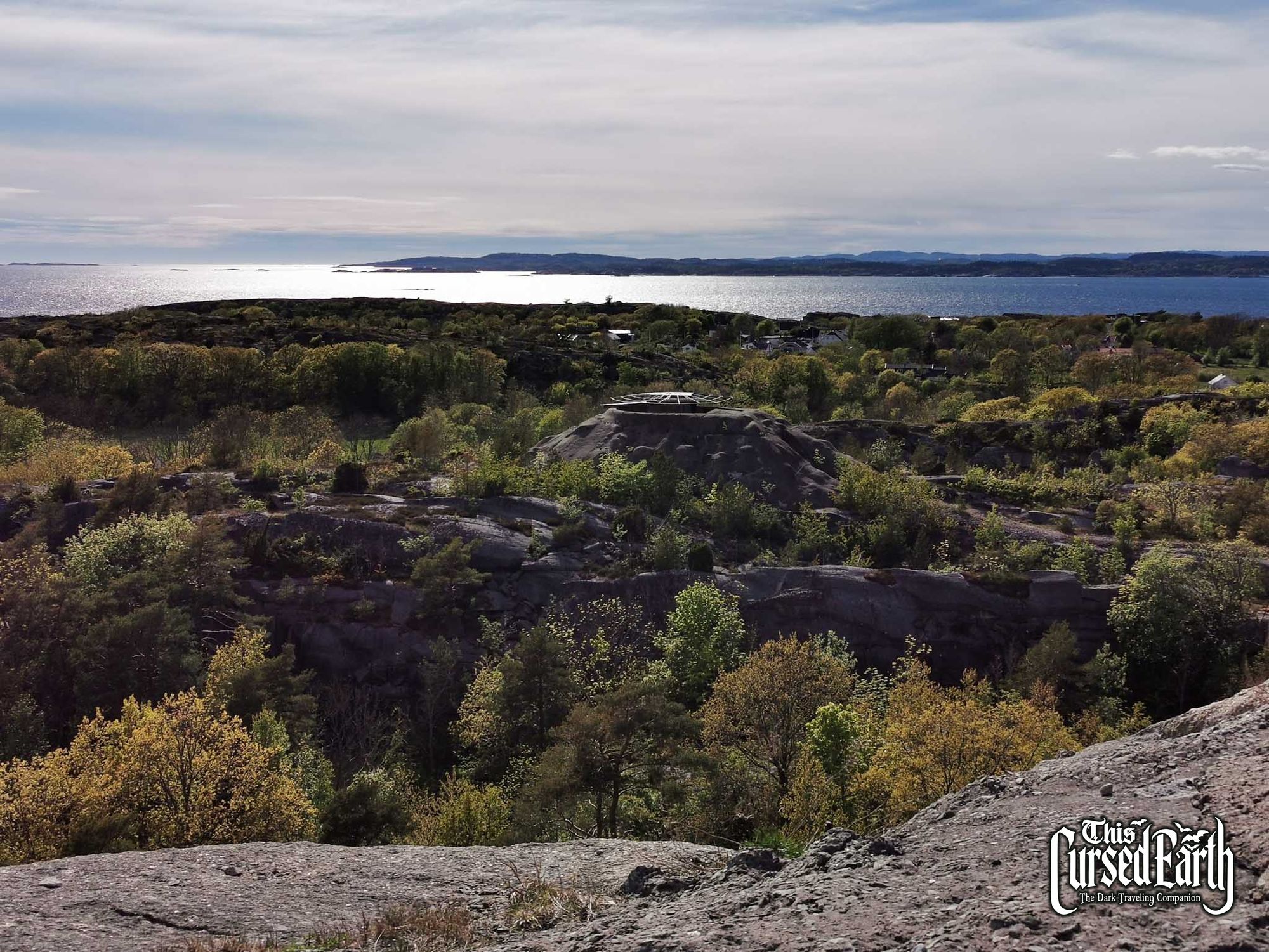
The German fort was completed in November 1941 as Marine-Küsten-Batterie 4/501. Its principal armament initially consisted of 15 cm Bofors coastal guns, and by the summer of 1942 four 15 cm L/50 Bofors guns were installed. Gun positions, observation posts, command facilities, ammunition stores and tunnels were built into and between the exposed rock formations, while barracks and support buildings were placed lower in the terrain. Three of the four Bofors guns remain at Torås today; the fourth was removed and is preserved at Oscarsborg Fortress.
The fort formed part of a larger network controlling the outer Oslofjord together with installations including Rauøy, Bolærne and Mågerø. The surviving military landscape is dominated by structures from the German occupation, including concrete gun positions, bunkers, command posts, underground passages, stairways and defensive positions. Much of the construction was deliberately integrated into the rocky terrain to reduce visibility and provide protection from attack.
After the German surrender in 1945, Torås was taken over by the Norwegian Coastal Artillery. Its role gradually shifted away from being an operational coastal battery towards training and other military functions. During the Cold War, the fort became connected with Norway’s highly secret Stay Behind organisation. Established to maintain resistance and intelligence networks in the event of a Soviet occupation, the organisation received support and training connected with Western intelligence services. A Norwegian government inquiry has specifically identified Torås as one of the locations used for the training of Stay Behind agents.
Parts of this activity remained secret for decades. Training at Torås included communications, intelligence work and preparation for operating clandestinely behind enemy lines during a possible occupation. One surviving room contains maps and terrain representations painted directly onto its walls, connected with the training of agents. The fort’s role in the Stay Behind system became publicly documented only after the organisation and Norway’s Cold War intelligence preparations began to be investigated and discussed openly during the 1990s.
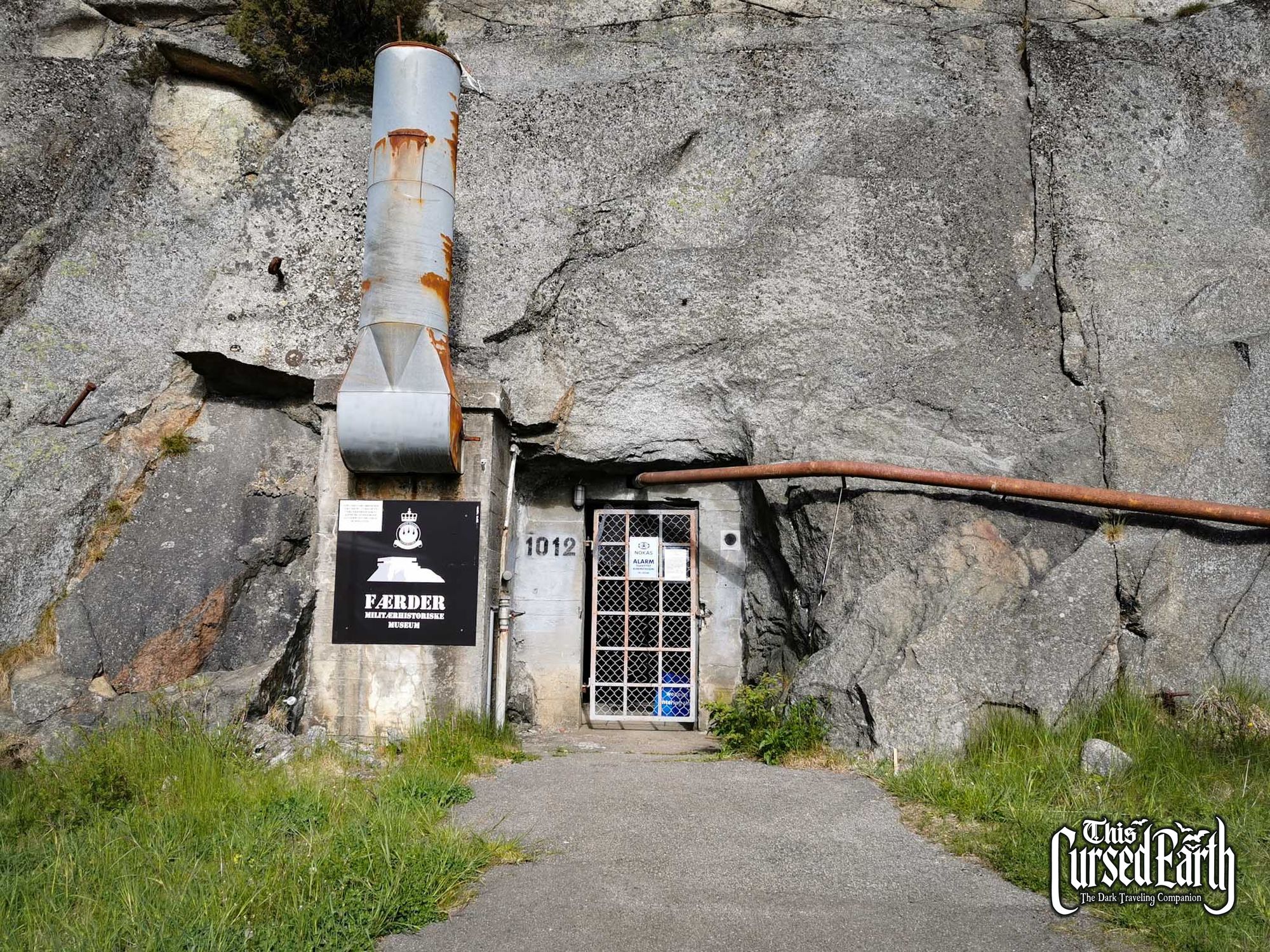
Military activity at Torås ended in 1999. The fort was secured and entrances to many of its underground installations were bricked up. Several buildings and military structures were protected as cultural heritage in 2004, and much of the outdoor area was later acquired by Tjøme municipality, now Færder municipality, for public use. The surviving landscape is regarded as one of Vestfold’s most complete military environments from World War II.
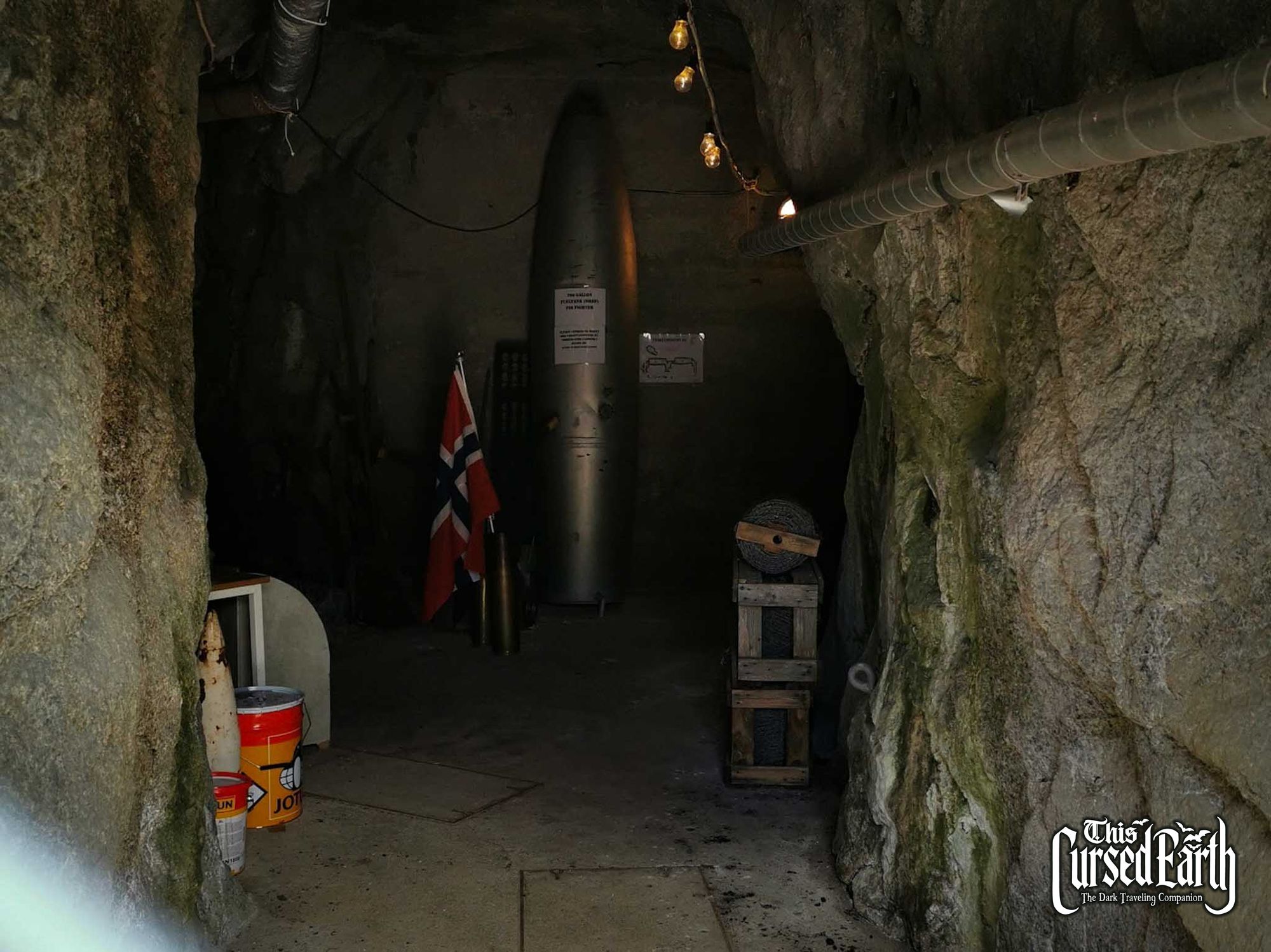
The Interessegruppen for Torås Fort was established in 2008 to preserve and interpret the site. Five of the twelve sealed tunnel systems have subsequently been reopened. In 2018, Færder Military History Museum opened inside Tunnel 12, displaying weapons, uniforms, equipment, photographs and other material connected with the fort, World War II and subsequent Norwegian military history.
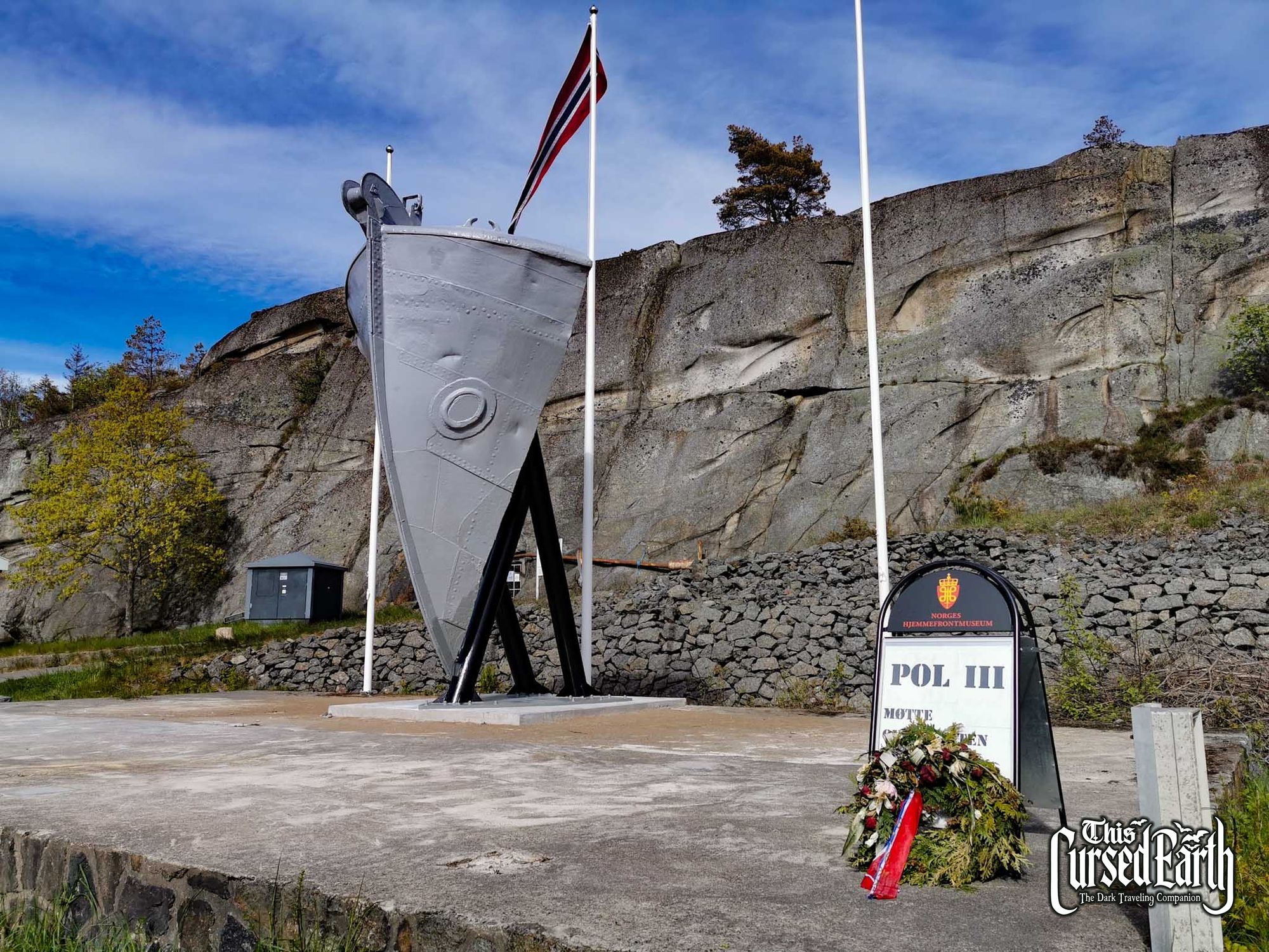
The lower part of the fort also contains a memorial incorporating the original bow of Pol III. The former whaling vessel had been requisitioned as a Norwegian patrol boat and encountered the German invasion fleet entering the Oslofjord late on 8 April 1940. Its captain, Leif Welding-Olsen, managed to send a warning before Pol III was attacked. Welding-Olsen was killed and is generally regarded as the first Norwegian serviceman to die in combat during the German invasion. The surviving bow was installed at Torås as the centrepiece of a memorial unveiled on 8 April 2020.
Torås Fort has also developed a local reputation for paranormal activity. Stories collected by those working at the site include an alleged German soldier commonly nicknamed “Fritz”, who is said to appear or make his presence known in the tunnels and buildings. These accounts are modern ghost folklore rather than documented wartime events. The fort was featured in an episode of the Norwegian paranormal television series Spøkelsesjegerne in 2021, and organised ghost walks have subsequently incorporated the stories and reported experiences associated with the site.
Location: In the rocky landscape of southern Tjøme, overlooking the approaches to the outer Oslofjord.
Address: Rødsgata 55, 3145 Tjøme, Norway
Category: fortress, bunker, museum
Tags: coastal artillery, World War II, German occupation, Cold War, Stay Behind, secret agents, underground tunnels, bunkers, military history, Pol III, Leif Welding-Olsen, ghost lore, haunted
Darkness Level: ☠ ☠ ☠ ☠ ☠ ☠ ☠
Map: Open in Google Maps
Gallery