The Viking Planet

The Viking Planet is an interactive museum in Oslo that offers a cutting-edge experience of Viking history through virtual reality, holograms, and immersive exhibits.
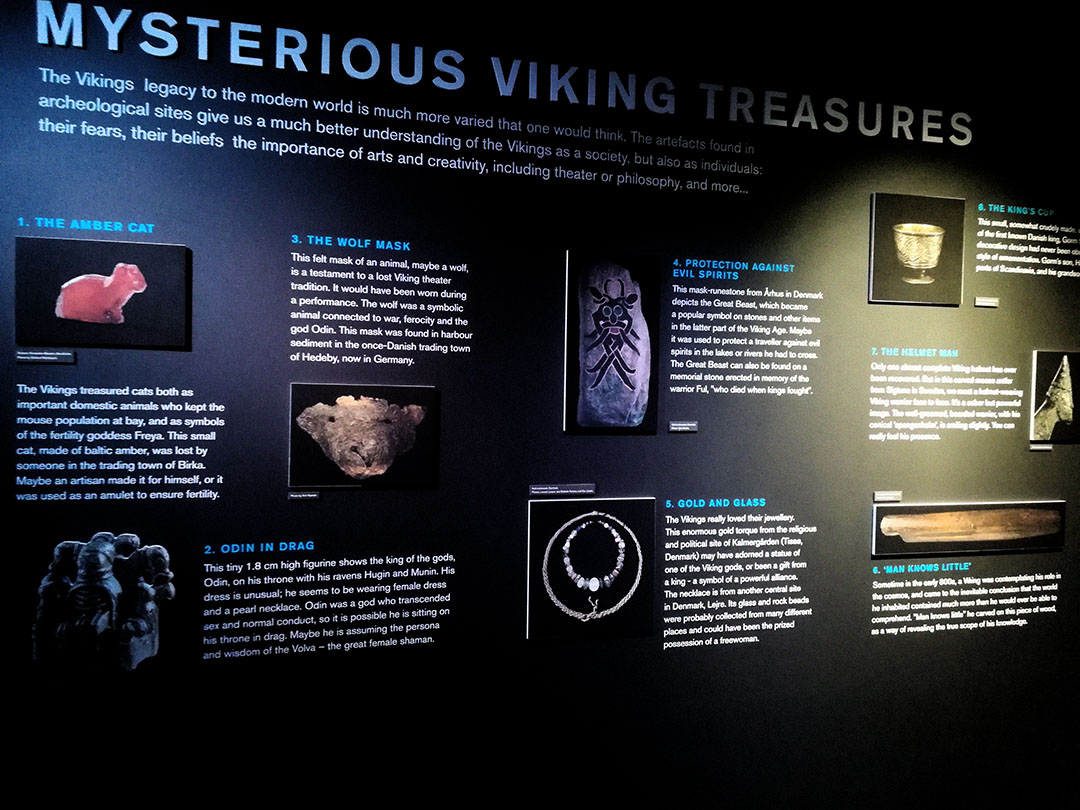
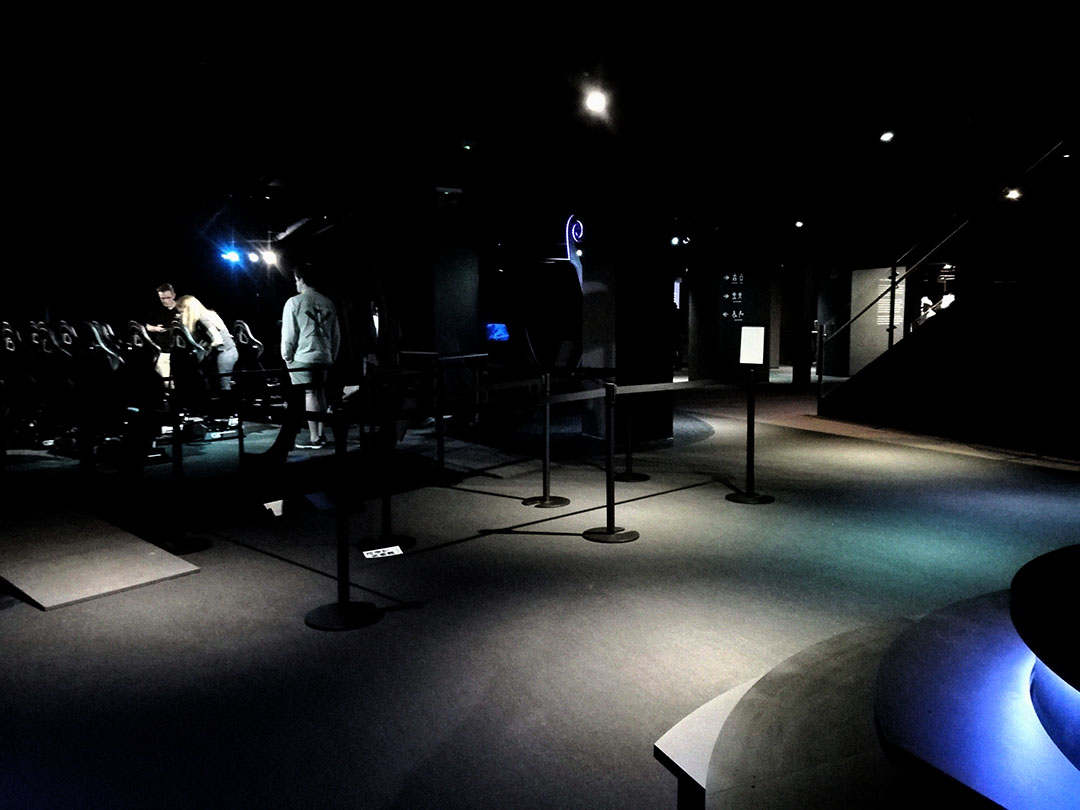
The Viking Planet is an interactive museum in central Oslo devoted to the Viking Age, but it approaches the subject rather differently from a traditional archaeological museum. Instead of building its exhibitions primarily around original swords, jewellery and objects displayed behind glass, it uses virtual reality, film, holograms, interactive screens and detailed 3D models to recreate different aspects of life in Scandinavia more than a thousand years ago. The result sits somewhere between a museum and an immersive historical experience, using modern technology to tell stories about one of the periods most closely associated with Norway.
The museum opened at Fridtjof Nansens plass, close to Oslo City Hall, on 20 June 2019 and described itself as the world's first interactive Viking Age museum. Even the opening ceremony was given a suitably Viking flavour. A ceremonial sword named Augvaldsbaune was brought from Avaldsnes on Karmøy, traditionally associated with King Harald Fairhair. After being handed over by the mayor of Karmøy, the sword was carried across Norway on horseback for four days before arriving in Oslo accompanied by Viking guards and being presented at the museum's opening.
At the centre of The Viking Planet is the idea that digital technology can be used to explain a period for which much of the surviving evidence consists of archaeological remains, written sources produced by other cultures and sagas recorded generations later. Interactive exhibitions cover subjects including ships and navigation, warfare, religion and mythology, women in the Viking Age and everyday life. Life-sized digital figures are used to introduce people and stories from the period, while touchscreens allow individual subjects to be explored in greater detail.
One of the museum's largest installations is a 270-degree cinema, where images are projected around much of the viewer's field of vision. The approximately twelve-minute production combines Norwegian landscapes with reconstructed scenes of everyday Viking Age life. Rather than focusing entirely on raids and warriors, the presentation also places the period within the farms, settlements and natural environments where most people actually spent their lives.
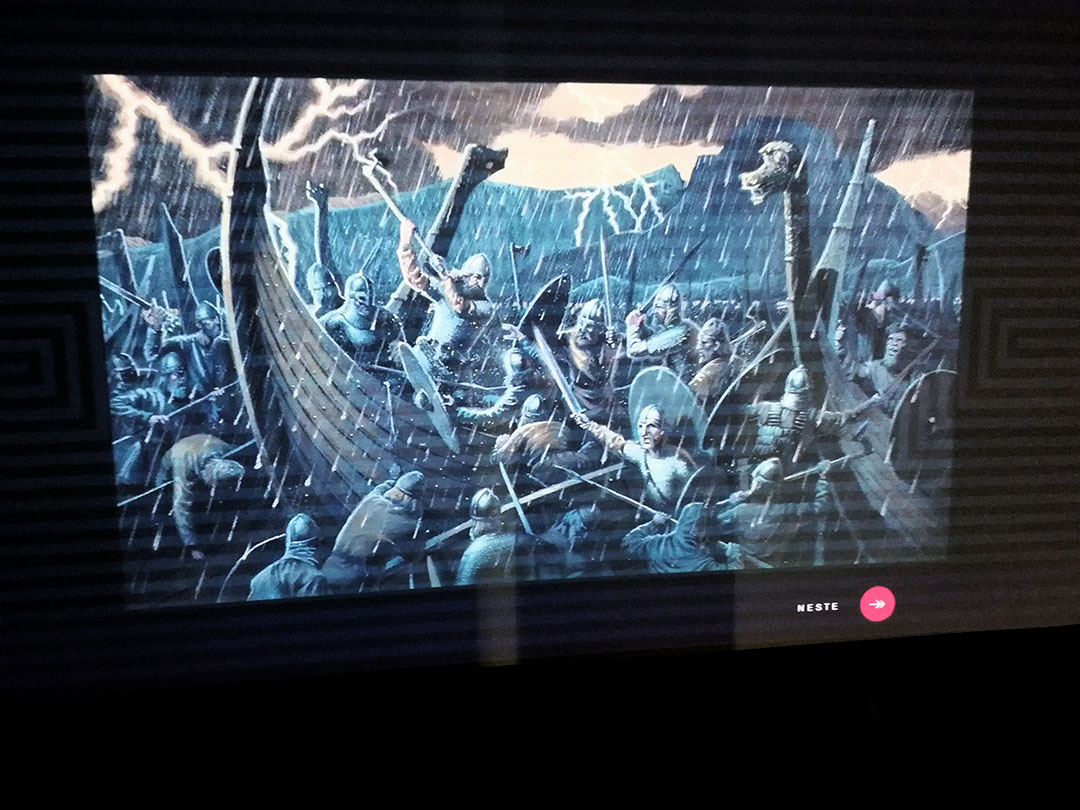
The darker side of Viking expansion appears much more directly in The Ambush, a twelve-minute virtual-reality film created in collaboration with Ridley Scott Associates and Dimension Studio. Using volumetric capture, in which actors are recorded three-dimensionally rather than simply filmed from a fixed camera position, the production places the viewer inside a violent Viking raid on the western coast of Norway. The technology allows the action to unfold around the viewer rather than on a conventional screen. The Ambush received an award for virtual-reality production at the Aesthetica Short Film Festival in 2019.
The museum also includes a digital connection to some of Norway's most important surviving Viking ships. While the original Viking Ship Museum at Bygdøy has been closed during construction of the new Museum of the Viking Age, The Viking Planet has presented a digital walk-through of the former museum together with interactive 3D models of objects from its collections. Among them are material connected with the Oseberg and Gokstad ships, two exceptionally well-preserved burial ships excavated from large mounds in southeastern Norway. The digital models are provided in cooperation with the Museum of the Viking Age at the University of Oslo.
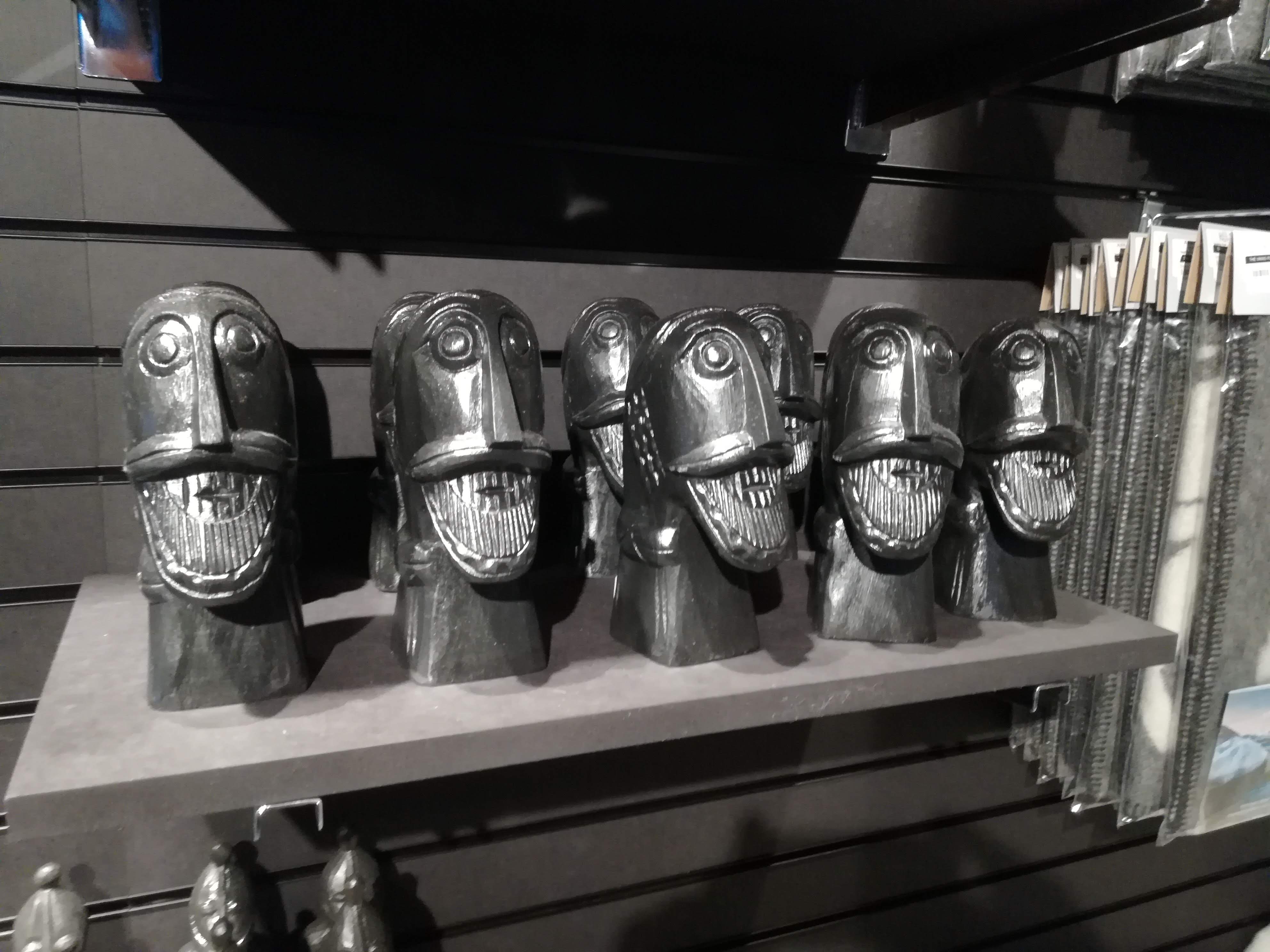
Another section uses hologram-style presentations to put human faces on the period. This is an important part of what The Viking Planet is trying to do. Popular culture has created an extremely recognisable version of the Viking – usually male, heavily armed and permanently preparing to raid somewhere – while the historical Viking Age was considerably more complicated. Farmers, traders, craftspeople, enslaved people, explorers, settlers and women running households were all part of the same society. The exhibitions attempt to widen the picture beyond the familiar warrior stereotype while still acknowledging the violence that accompanied Scandinavian expansion.
The Viking Planet is therefore quite different from places where the attraction lies in standing directly in front of an object made a thousand years ago. Much of what is seen here has been reconstructed, filmed or created digitally. That is also what makes the place interesting. It represents a relatively new way of presenting history, where archaeological research and historical interpretation are translated into environments that can be walked through, watched and experienced rather than simply read about.
There is something rather appropriate about finding such a museum in modern Oslo. The city itself has Viking Age roots, yet comparatively little of that period is immediately visible while walking through its centre today. At The Viking Planet, the missing ships, people and landscapes are brought back through technology. It cannot replace seeing an original Viking ship or holding a thousand-year-old object in your gaze, but that is not really what it is trying to do. Instead, it asks a different question: what if, for a few minutes, you could step inside the world those objects came from?
Location: Located near Oslo’s City Hall, offering an immersive and interactive experience of Viking history through cutting-edge technology.
Address: Fridtjof Nansens plass 4, 0160 Oslo, Norway
Category: museum, viking
Tags: museum, viking, virtual reality, interactive
Darkness Level: ☠ ☠ ☠ ☠
Homepage: thevikingplanet.com
Map: Open in Google Maps
Gallery