Temple of Jupiter
A compact but powerful Roman temple within Diocletian’s Palace, later transformed into a Christian baptistery — layered with imperial cult, pagan worship, and religious conversion.
Temple of Jupiter stands within Diocletian's Palace as one of the most symbolically charged spaces in Split’s old town. Built in the early 4th century, the temple was dedicated to Jupiter, chief god of the Roman pantheon and divine protector of the emperor. Diocletian, who styled himself as Jupiter’s earthly counterpart, placed the temple deliberately close to his imperial apartments.
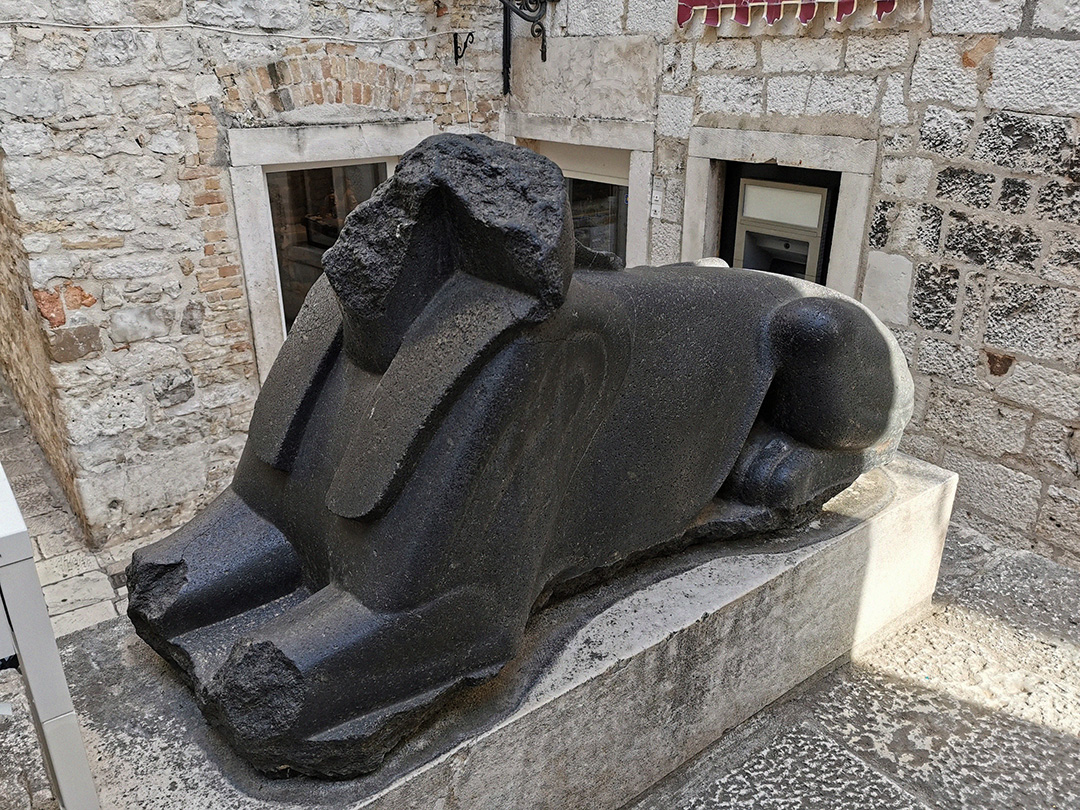
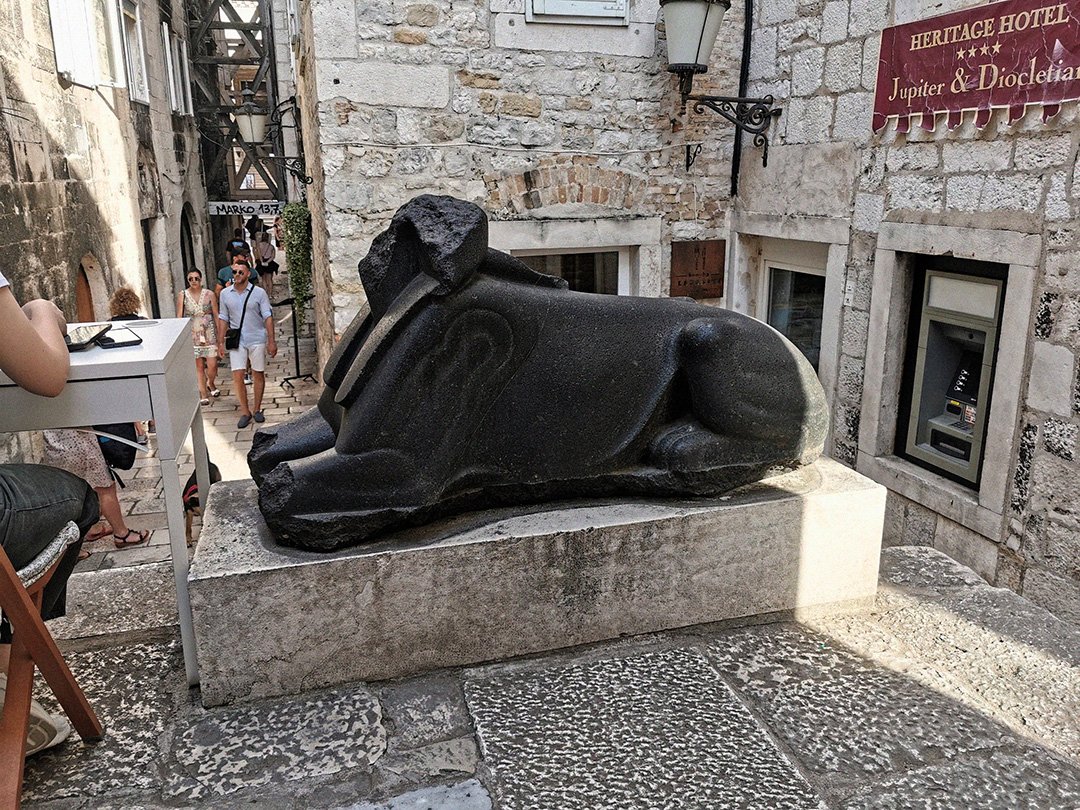
The interior is small but imposing, crowned by a richly carved coffered ceiling that has survived almost intact. At the entrance stands a black granite sphinx brought from Egypt — older than the Roman Empire itself — reinforcing the sense of power, eternity, and divine authority that surrounded the imperial cult.
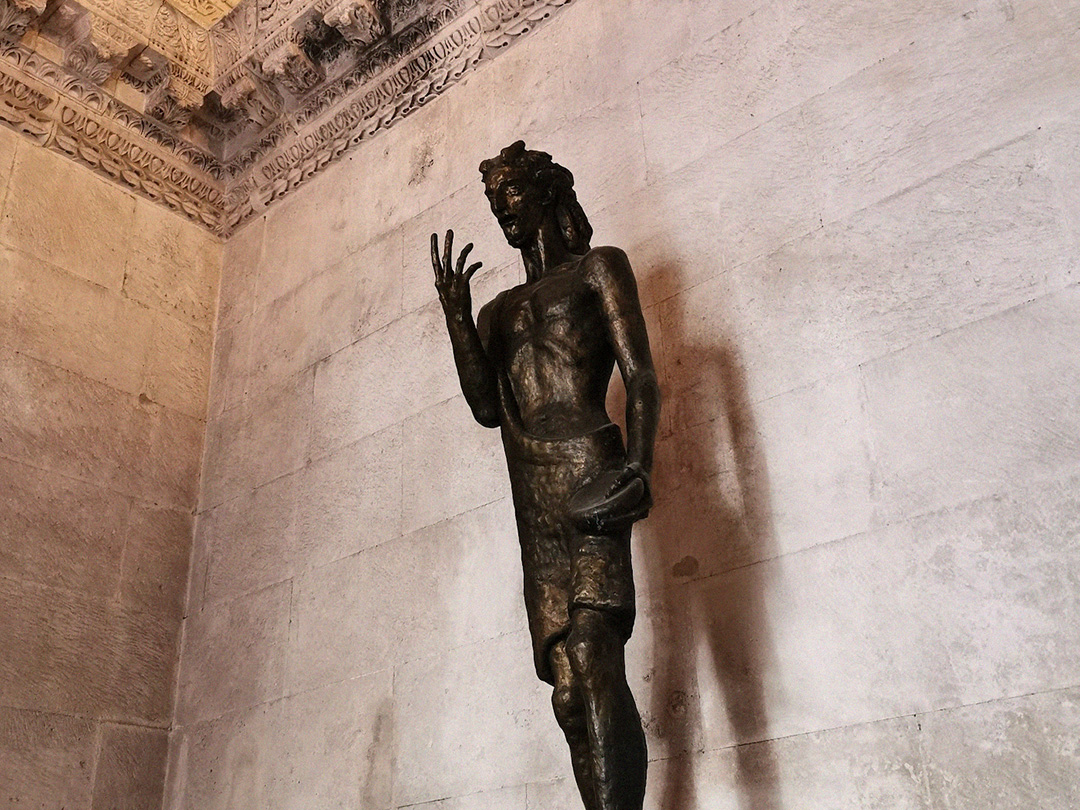
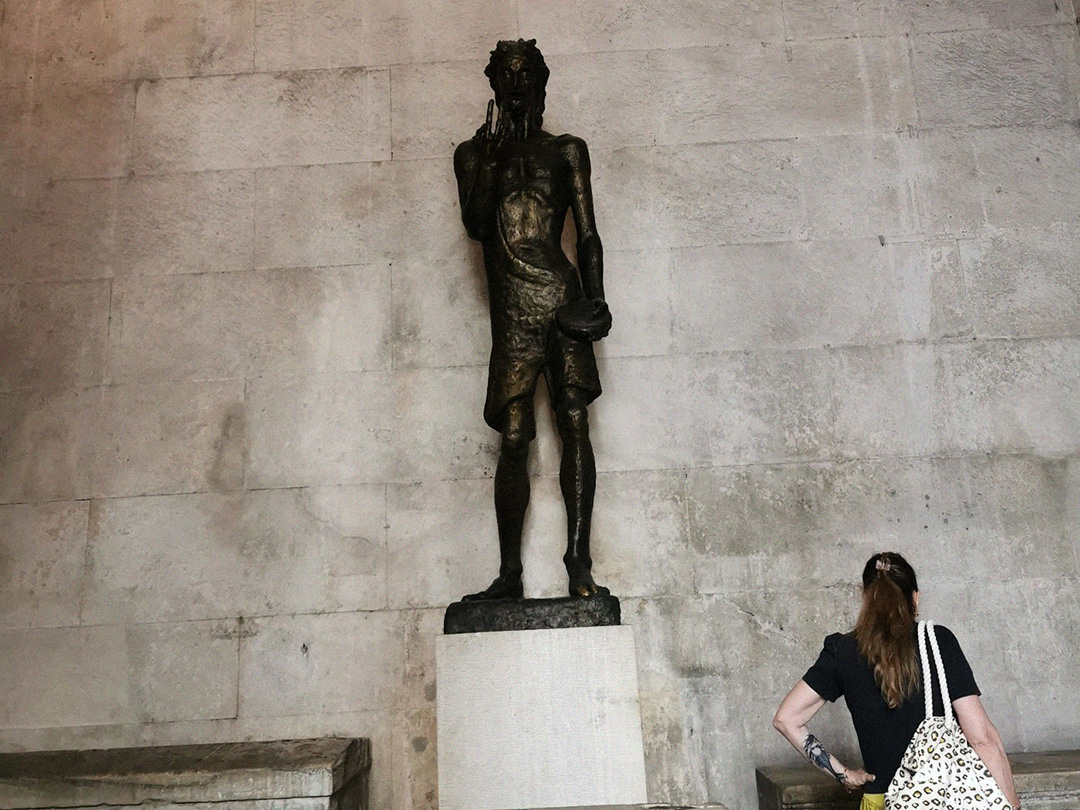
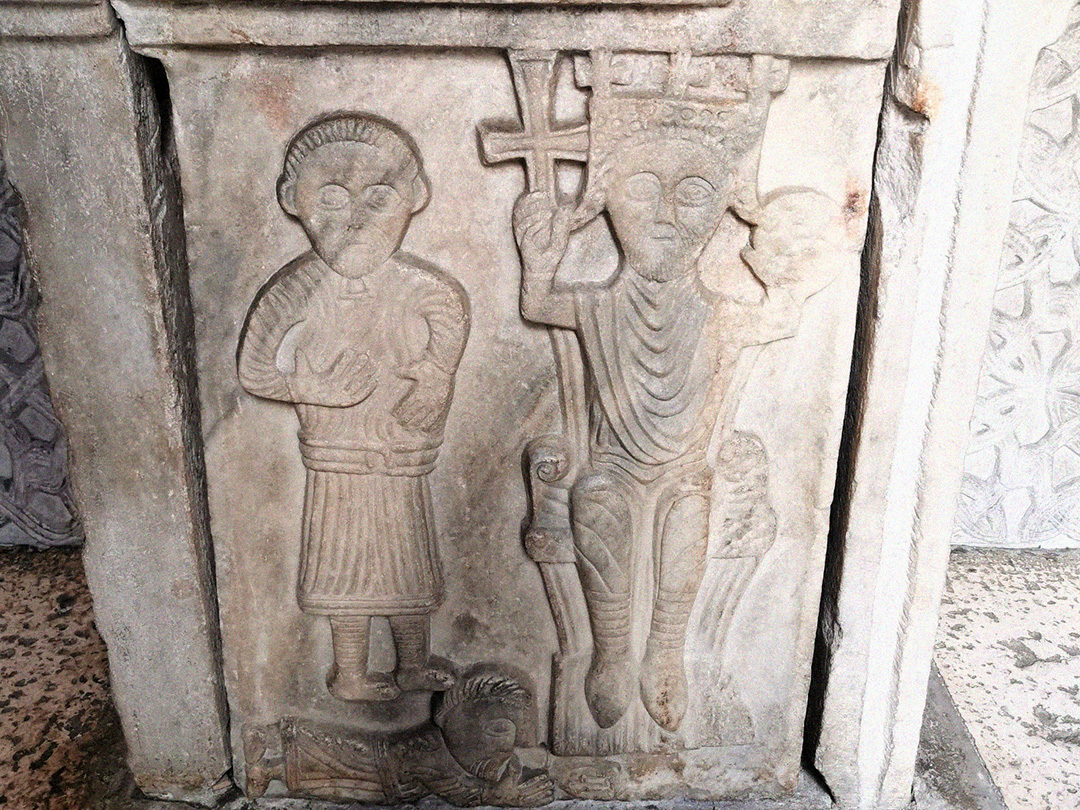
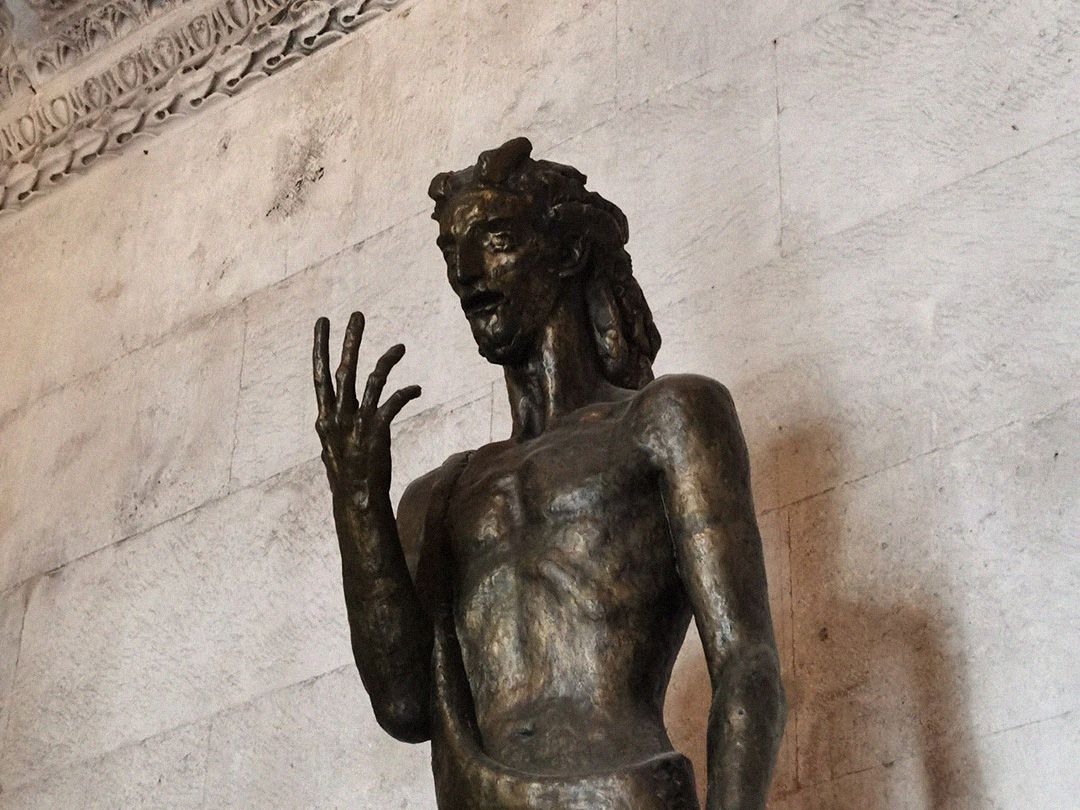
In a striking reversal of meaning, the temple was later converted into a Christian baptistery, dedicated to St John the Baptist. Pagan statues were removed, saints’ imagery was introduced, and the space was redefined from emperor-worship to Christian initiation. This layering of belief systems makes the Temple of Jupiter quietly unsettling: a place where gods were replaced without destroying the structure that once glorified them. It is not violent darkness, but ideological — stone that has served opposing truths across centuries.
Location: Inside Diocletian’s Palace, in the historic centre of Split.
Address: Dioklecijanova palača, 21000 Split, Croatia
Category: archaeology, temple, religious site
Tags: Temple of Jupiter, Diocletian’s Palace, Split, Roman religion, imperial cult, sphinx, baptistery, pagan to Christian
Darkness Level: ☠ ☠ ☠ ☠ ☠ ☠
Homepage: visitsplit.com
Map: Open in Google Maps
Gallery