Salem Museum of Torture
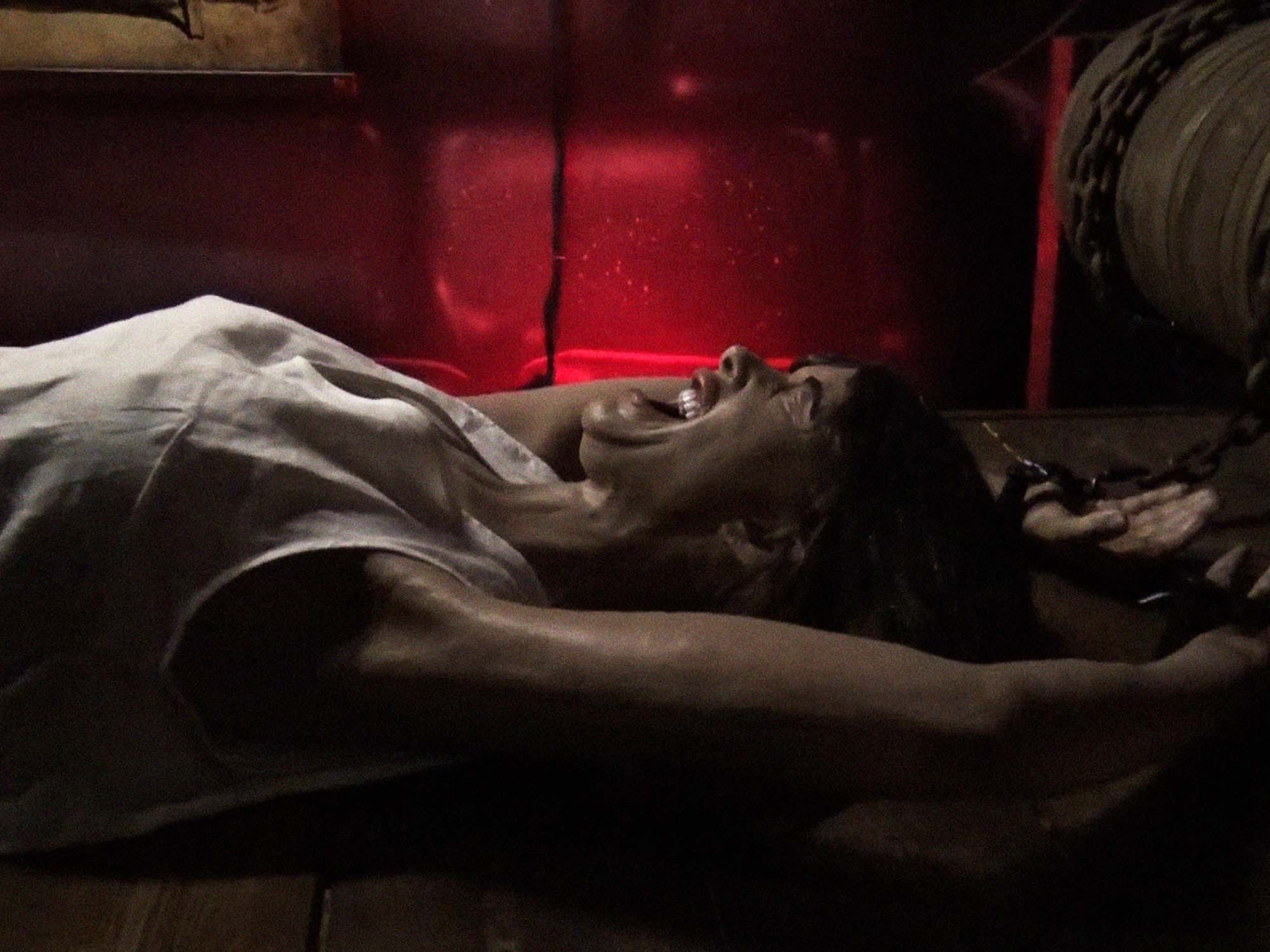
A museum in central Salem devoted to the history of torture, corporal punishment and execution, combining authentic historical instruments with life-sized reconstructions and displays explaining both documented practices and persistent myths surrounding famous torture devices.
Salem Museum of Torture is a privately operated museum at 30 Federal Street in central Salem, Massachusetts. The museum opened in 2023 and concentrates on historical methods of torture, interrogation, corporal punishment, public humiliation and execution. Despite its location in a city closely associated with the Salem witch trials, the collection covers a much broader geographical and chronological range and is not primarily a museum about the events of 1692.
The museum describes its collection as containing authentic instruments of torture and punishment, supplemented by reproductions, mannequins and life-sized scenes demonstrating how particular methods were intended to work. Exhibits are accompanied by explanatory panels covering the origins, legal context and use of the objects. The collection ranges from relatively simple restraints and instruments of public humiliation to devices intended to crush, stretch, burn or otherwise injure a prisoner during interrogation or punishment.
Among the devices represented are the rack, thumbscrews, red-hot pincers, stocks, restraint chairs, spiked chairs and the heretic’s fork, a metal device positioned between the chin and chest that prevented the wearer from lowering the head without being pierced. Historical masks and bridles illustrate punishments intended to silence or publicly humiliate offenders, while other displays deal with branding, whipping and physical restraints. Several installations use full-sized figures to demonstrate the position in which a prisoner would have been confined.
The museum also addresses objects whose popular reputation does not correspond closely with historical evidence. The Iron Maiden, for example, has become one of the best-known symbols of medieval torture but is now generally regarded as a later construction assembled or modified during the 18th and 19th centuries rather than an instrument routinely used during the Middle Ages. Similarly, the familiar spiked version of the chastity belt owes much of its reputation to later myth and exhibition culture. These objects illustrate how museums, literature and horror entertainment helped create an exaggerated image of medieval punishment alongside genuinely documented methods.
Capital punishment forms another section of the collection. Displays include equipment and material associated with hanging, beheading, burning and electrocution. An electric chair is presented among the more modern execution devices, extending the museum’s chronology well beyond medieval and early-modern Europe. The museum also holds a cast of the face and hands of Albert Pierrepoint, the British executioner who carried out hundreds of hangings between the 1930s and 1950s, including executions of Nazi war criminals following World War II.
The location in Salem provides an obvious connection with the Salem witch trials of 1692, but the elaborate European torture instruments displayed in the museum should not be interpreted as equipment used on Salem’s accused witches. Massachusetts colonial courts did not employ racks, iron maidens or similar devices during the trials. The best-known case of deliberate physical coercion was that of Giles Corey, who refused to enter a plea after being charged with witchcraft. On 19 September 1692 he died while being subjected to peine forte et dure, in which increasingly heavy stones were placed on his body in an attempt to force a plea.
The museum therefore places the Salem trials within the much wider history of judicial violence rather than recreating a supposed local torture chamber. Its subject matter extends across European and American systems of punishment and demonstrates the different purposes for which physical suffering was imposed: obtaining confessions, enforcing religious or political conformity, humiliating offenders in public, punishing crimes and carrying out death sentences.
The exhibition occupies two floors and is self-guided. The principal collection is on the first floor, with additional displays reached by stairs on the lower level. Dim lighting, sound and dungeon-style decoration are used throughout, but the museum specifically distinguishes itself from a haunted attraction: there are no actors or deliberate jump scares. The graphic content instead comes from the historical instruments and life-sized representations of their use.
Location: On Federal Street at the corner with Washington Street in central Salem, close to the railway station.
Address: 30 Federal Street, Salem, MA 01970, United States
Category: museum
Tags: torture, crime and punishment, corporal punishment, executions, capital punishment, interrogation, restraints, public humiliation, Iron Maiden, Albert Pierrepoint, witch trials
Darkness Level: ☠ ☠ ☠ ☠ ☠ ☠ ☠ ☠ ☠
Homepage: salemtorture.com
Map: Open in Google Maps
Gallery