The Powder Tower
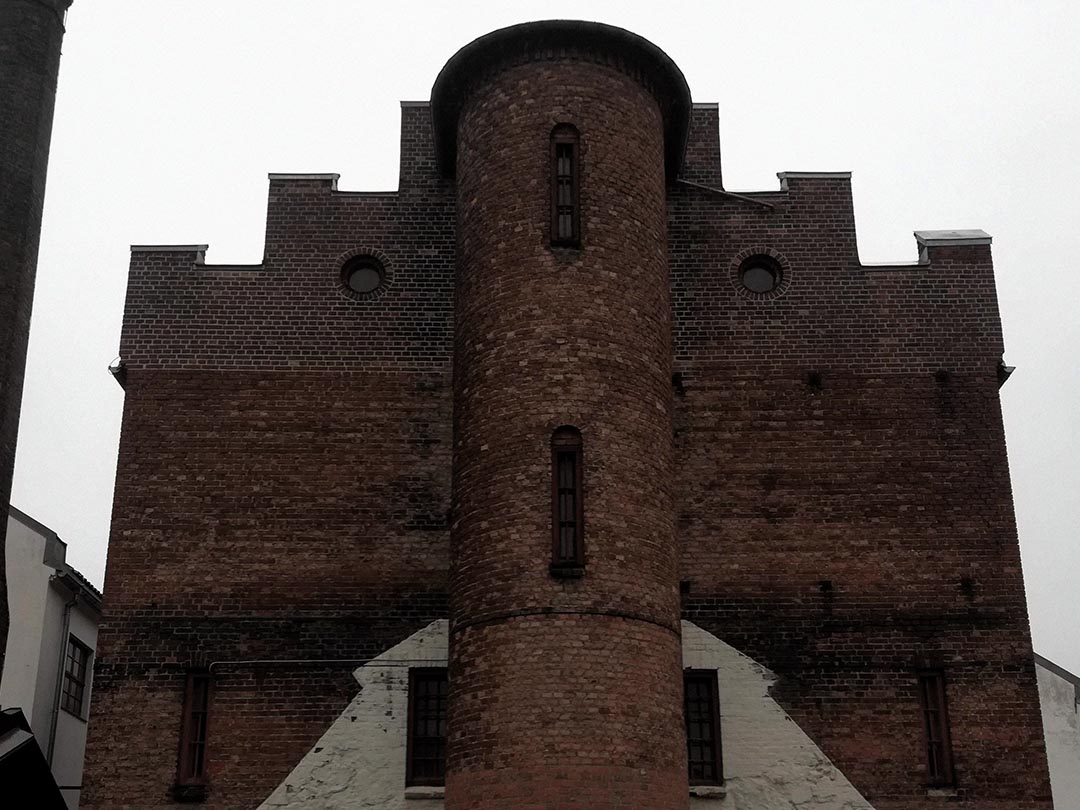
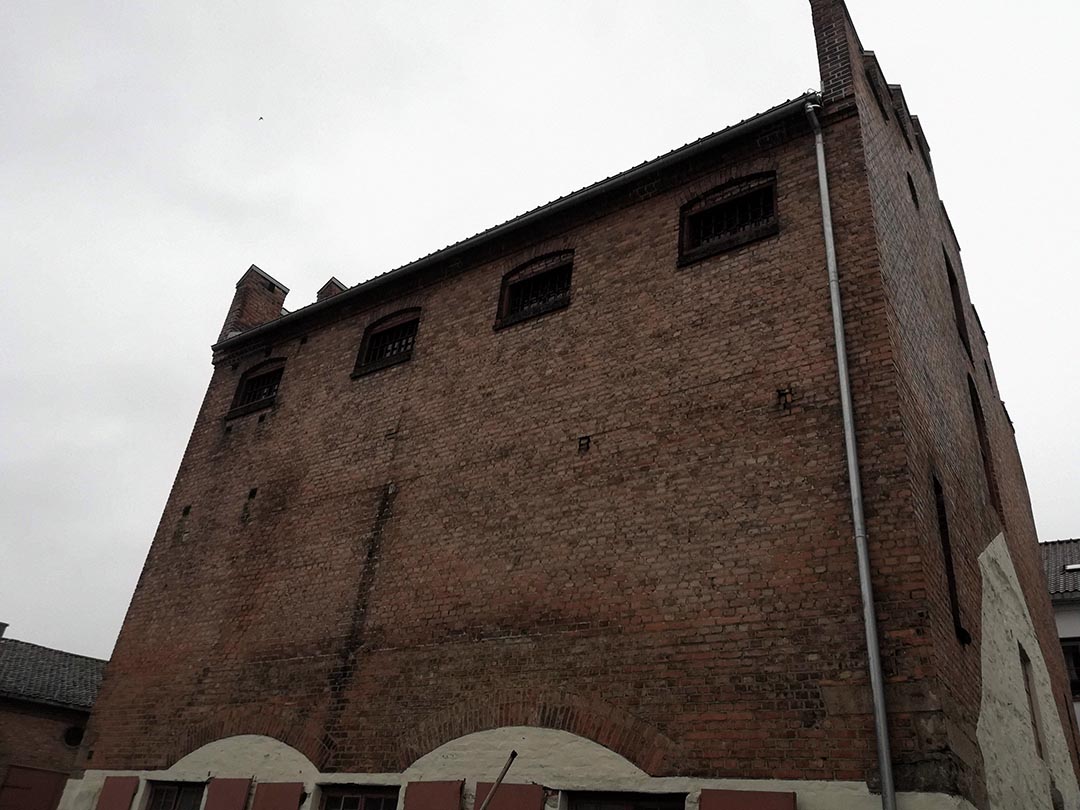
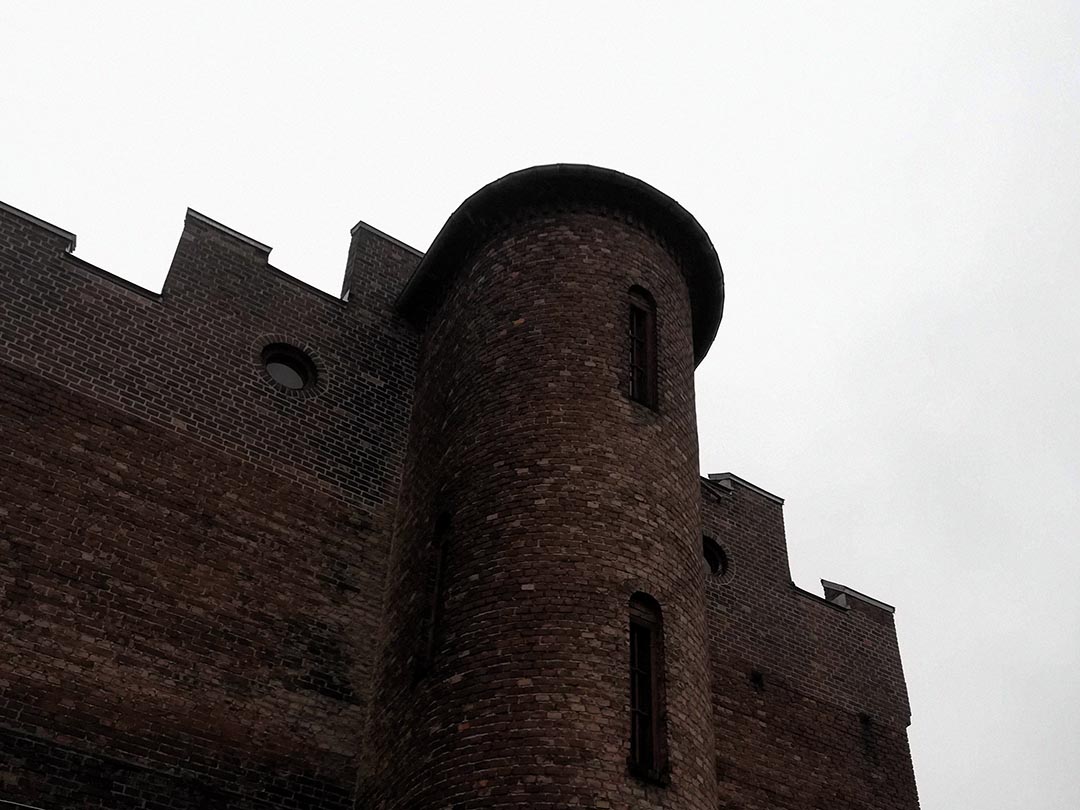
The Powder Tower was converted into a prison intended to hold the most dangerous and worst criminals.
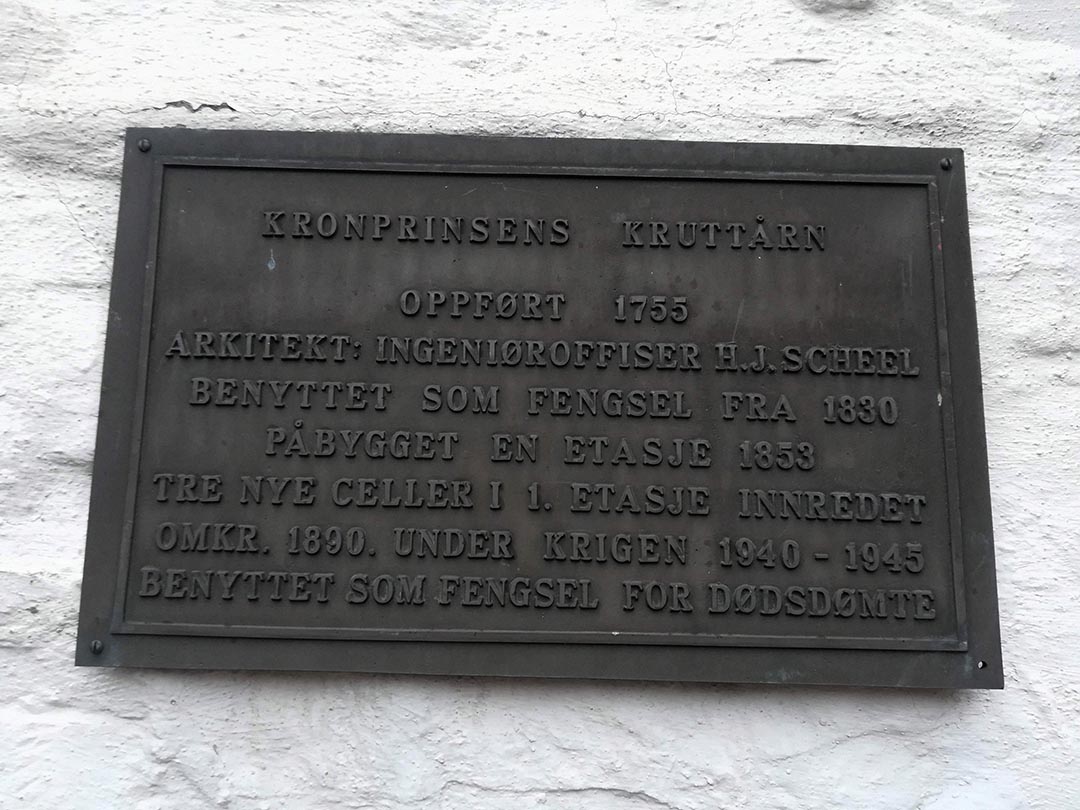
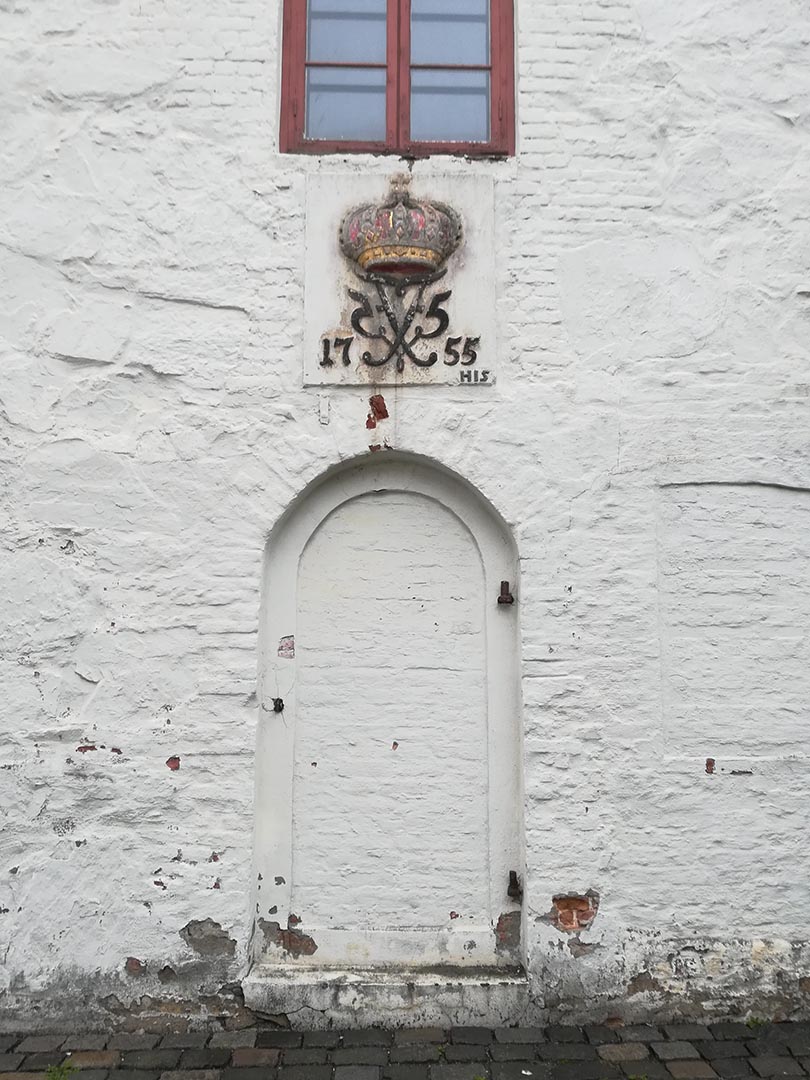
Few buildings at Akershus Fortress have accumulated quite as many dark stories as Kronprinsens Kruttårn, or the Crown Prince's Powder Tower. Built in 1755 as a secure store for artillery gunpowder, the thick stone building later became part of one of Norway's harshest prisons. During almost 120 years of prison use, its inmates included two of Norway's most famous thieves, condemned resistance fighters during the German occupation and, briefly, Vidkun Quisling. It was also the scene of a brutal murder in 1927. Remarkably, the homemade weapon used in that killing has been preserved.
The transformation began in 1830, when overcrowding at the prison on Akershus forced the authorities to turn the old powder magazine into sleeping quarters for around 60 convicts. At the time, prisoners sentenced to hard labour at Norwegian fortresses were commonly referred to as slaver, or “slaves”. The name was not merely colourful prison slang. These men were sentenced to slaveri – forced labour, often while wearing heavy irons – and were put to work for the military, public institutions and sometimes private employers.
The conditions inside the Powder Tower were miserable. The original building had tiny openings in its thick stone walls and almost no ventilation. An official prison commission investigating conditions in the 1830s described how the room had to be aired throughout the day to get rid of the stench that accumulated during the night. There was no proper toilet. The prisoners instead used a covered communal bucket that was emptied each morning. For dozens of men sleeping together in a stone gunpowder store, comfort was clearly not high on the list of priorities.
One of the men associated with the Powder Tower was Gjest Baardsen, perhaps Norway's most famous 19th-century outlaw after Ole Høiland. Born in 1791, Baardsen became notorious for theft, burglary and an extraordinary talent for escaping custody. In his own autobiography he claimed to have escaped from various prisons and arrests no fewer than 57 times. How literally that number should be taken is another question. Baardsen was extremely good at telling the story of Gjest Baardsen, and the charming gentleman thief of popular memory was partly his own creation.
He was sentenced to life at hard labour in 1827 and spent 18 years at Akershus before receiving a pardon in 1845. Prison also gave him time to write. The first parts of his autobiography were published while he was still incarcerated, helping transform a convicted thief into a national folk character. Later research into court records paints a considerably less romantic picture than the man who supposedly stole from the rich and sympathised with the poor. Baardsen nevertheless won the public-relations battle. His legend survived, and in 1939 Alfred Maurstad played him in Tancred Ibsen's enormously successful film Gjest Baardsen.
If Gjest Baardsen was good at creating his own mythology, Ole Høiland barely needed the help. Høiland was already serving a life sentence at Akershus when, after one of his escapes, he carried out the crime that made him famous. On New Year's Eve 1834 he broke into Norges Bank in Christiania and escaped with 64,100 speciedaler. He was captured a few weeks later and returned to Akershus, where the authorities decided that ordinary prison security was clearly not going to be enough.
In 1835, the interior of the Powder Tower was cleared and a special wooden cage was constructed for Høiland. Thick timbers surrounded him at such a distance from the stone walls that he could not reach them, and he was placed in some of the heaviest irons available. The arrangement became known as the “lion cage”. Høiland was even shown to visitors, effectively becoming a rather humiliating tourist attraction while still alive.
It still did not hold him. Over several months Høiland secretly worked beneath the floor at night. He sawed through the timber and dug through the earth and masonry beneath the tower, eventually breaking through a wall around two metres thick. On the night of 16–17 September 1839, he crawled through his tunnel and escaped from Akershus once again. He remained free for three years before being betrayed and captured in 1842. This time there would be no further successful escape. After repeated requests for a pardon were rejected, Høiland died by suicide in his cell at Akershus on 20 December 1848.
The building continued to evolve around its prisoners. After Høiland's escape, his wooden cage was removed and the Powder Tower was again used as communal accommodation. In the early 1850s, another floor containing eight individual cells was constructed above the old vault. In 1891, punishment cells were added on the ground floor. Prisoners sent there for disciplinary offences could spend as long as ten days on half rations with little more than a bare wooden bunk and blankets. The cells eventually acquired the appropriately unpleasant nickname Kummen – “the pit”.
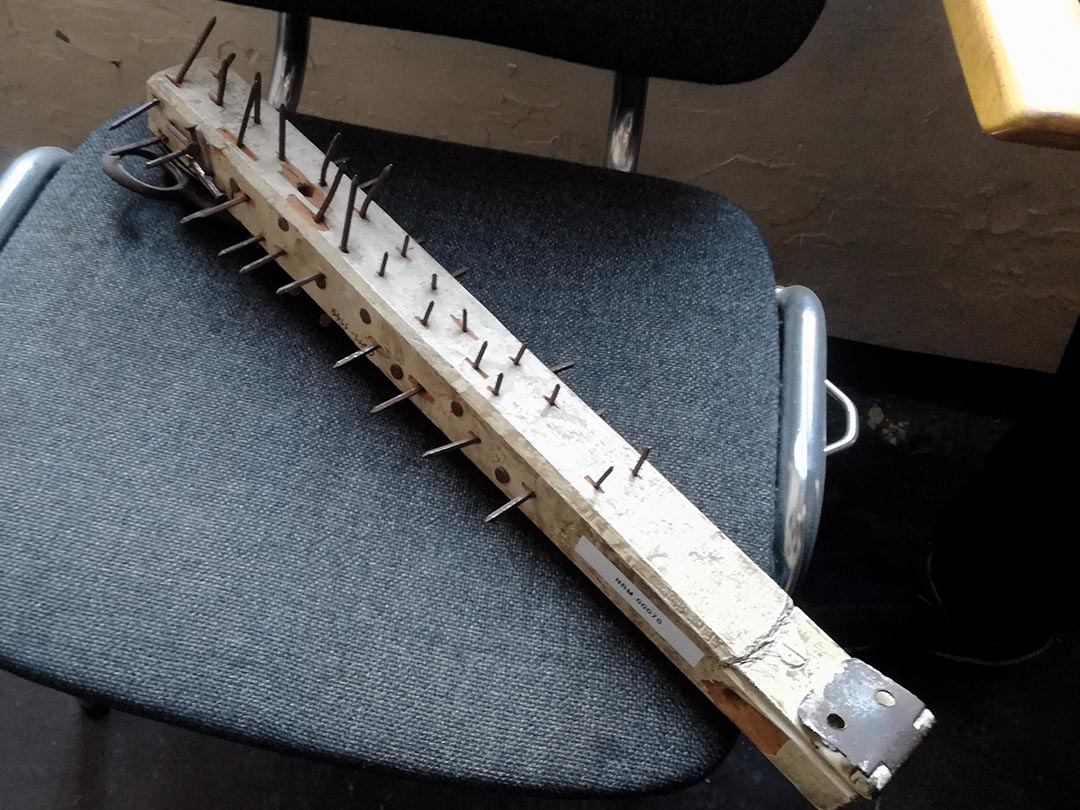
Then, on 30 September 1927, the Powder Tower became the scene of an actual murder. The prisoner Rudolf Hansen, remembered in later accounts by the nickname “Galmand” Hansen, had been convicted of serious violent crime and was being held at Akershus Landsfengsel. While imprisoned, he managed to construct a crude but effective striking weapon from materials he could obtain inside the prison.
The weapon was made from a wooden part of a bed and fitted with large nails, while a pair of scissors was attached to give it additional weight. Hansen apparently intended to use it during an escape attempt. Instead, he attacked a prison officer inside the Powder Tower. The assault was so violent that the officer later died from his injuries. Other guards rushed into the tower after hearing the commotion and managed to overpower Hansen before he could get away.
Hansen was subsequently confined in the dreaded punishment cells below. His story ended there as well: he later died by suicide while imprisoned at Akershus. What makes the 1927 murder particularly tangible today is that the weapon was not discarded. The original improvised club was preserved as part of the prison-history collection at the fortress and has been displayed inside the Powder Tower. It is a remarkably crude object, but knowing what happened with it in the same building gives it a weight that a reproduction could never quite have.
The Powder Tower became darker still during the Second World War. After the German occupation of Norway began in April 1940, Akershus was taken over by the Wehrmacht and its prison became Kriegswehrmachtgefängnis Akershus. The Powder Tower was used for Norwegian resistance members, prisoners awaiting interrogation or transport to Germany and, increasingly, men who had already been sentenced to death. During the final year of the occupation, the inmates held in the tower were almost exclusively condemned prisoners.
Conditions were brutal. Several men could be packed into cells originally intended for one person. Former prisoners later described dirty and bloodstained blankets, inadequate food, almost no opportunity to wash and bitter cold. The punishment cells downstairs were reportedly filthy, dark and infested with rats. Prisoners sometimes heard gunfire elsewhere on the fortress grounds, a particularly grim sound for men who knew that they themselves might soon be taken away for execution.
In March 1945, five condemned members of the Pelle resistance group attempted their own remarkable escape from the Powder Tower. Using a spoon and pieces of the metal framework from their bunks, they spent about a month working through roughly 60 centimetres of masonry. They fashioned a rope from strips of mattress canvas and, on 13 March, climbed down eight or nine metres from the tower. They managed to reach the roof of a nearby building before being discovered, beaten and returned to the punishment cells. In one building, separated by more than a century, Ole Høiland and members of the Norwegian resistance had therefore independently arrived at essentially the same conclusion: if the walls would not open, they would simply go through them.
After the German surrender in May 1945, the roles inside Akershus were abruptly reversed. The fortress became a place of imprisonment for Germans and Norwegians accused of collaboration. Among them was Vidkun Quisling, the former leader of Nasjonal Samling whose collaboration with Nazi Germany was so notorious that his surname entered several languages as a word for a traitor.
Quisling spent the summer of 1945 imprisoned in a cell at the top of Kronprinsens Kruttårn while awaiting trial. On 10 September he was convicted of treason and other serious offences and sentenced to death. He was then transferred to Møllergata 19. At 02:40 on 24 October 1945, Quisling was executed by firing squad back at Akershus Fortress, in front of Skarpenords kruttårn on the western side of the fortress. His stay in Kronprinsens Kruttårn had been relatively brief, but it added one more infamous name to an already extraordinary list of prisoners.
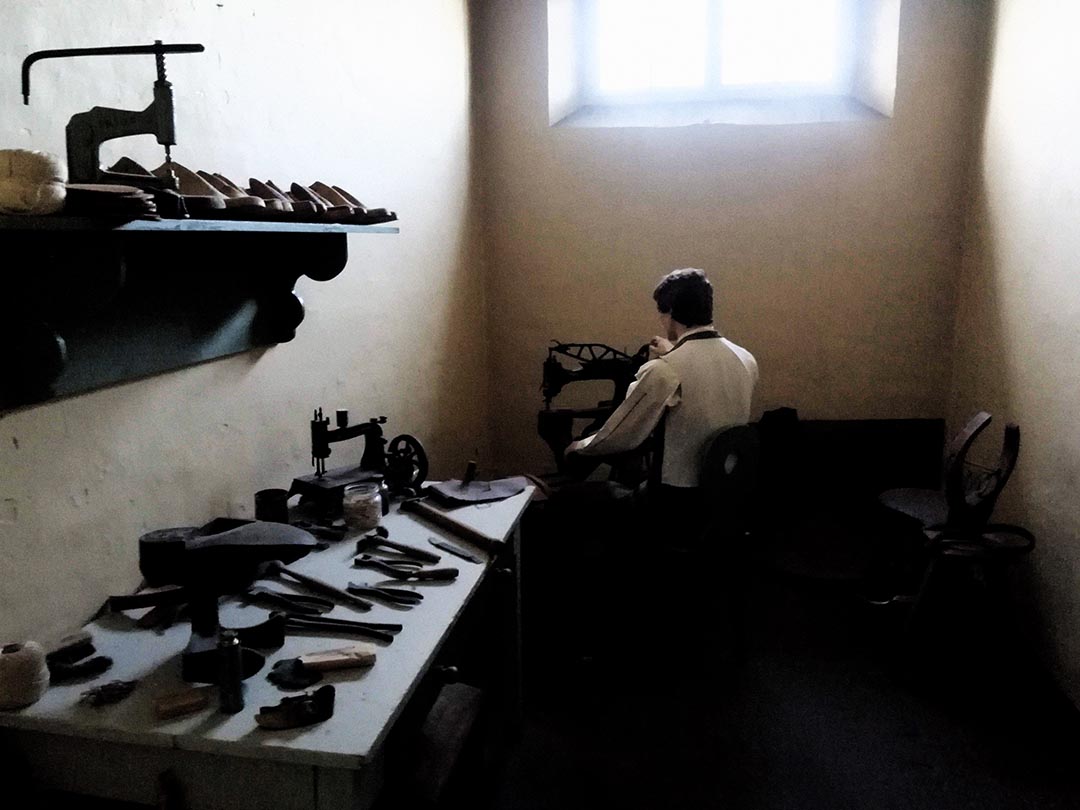
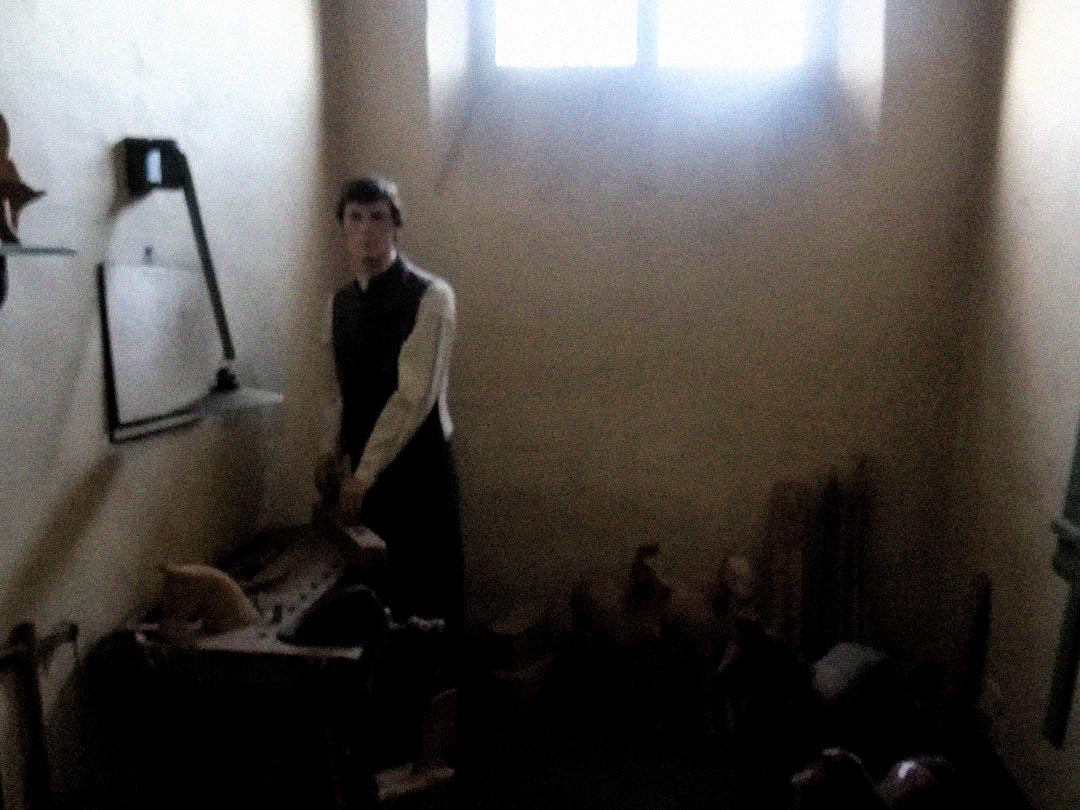
Akershus finally ceased operating as a prison in 1950. Much of the old prison equipment was removed, and the Powder Tower was later used for storage before parts of its prison interior were reconstructed as a historical exhibition. The building now contains recreated cells and displays covering different periods of incarceration at Akershus, while guided tours still take visitors inside the narrow corridors and cells used by prisoners during the 19th and 20th centuries.
It would be easy to tell the story of Kronprinsens Kruttårn simply by listing famous names: Gjest Baardsen, Ole Høiland, Rudolf Hansen and Vidkun Quisling. But the building itself is really the more interesting survivor. It began as a place designed to contain something dangerous – gunpowder – and then spent more than a century containing people whom the authorities considered dangerous instead. Some tried to tunnel out, some waited there to die, one committed murder inside its walls and another would give his name to the international vocabulary of betrayal. And somewhere among all that history, the weapon from the murder of 1927 is still there.
Location: The Powder Tower can be found inside the walls of Akershus Fortress.
Address: Akershus festning, 0150 Oslo, Norway
Category: history, prison
Tags: local history, prison, Oslo, Norway
Darkness Level: ☠ ☠ ☠ ☠ ☠
Map: Open in Google Maps
Gallery