Museum of Strategic Missile Forces
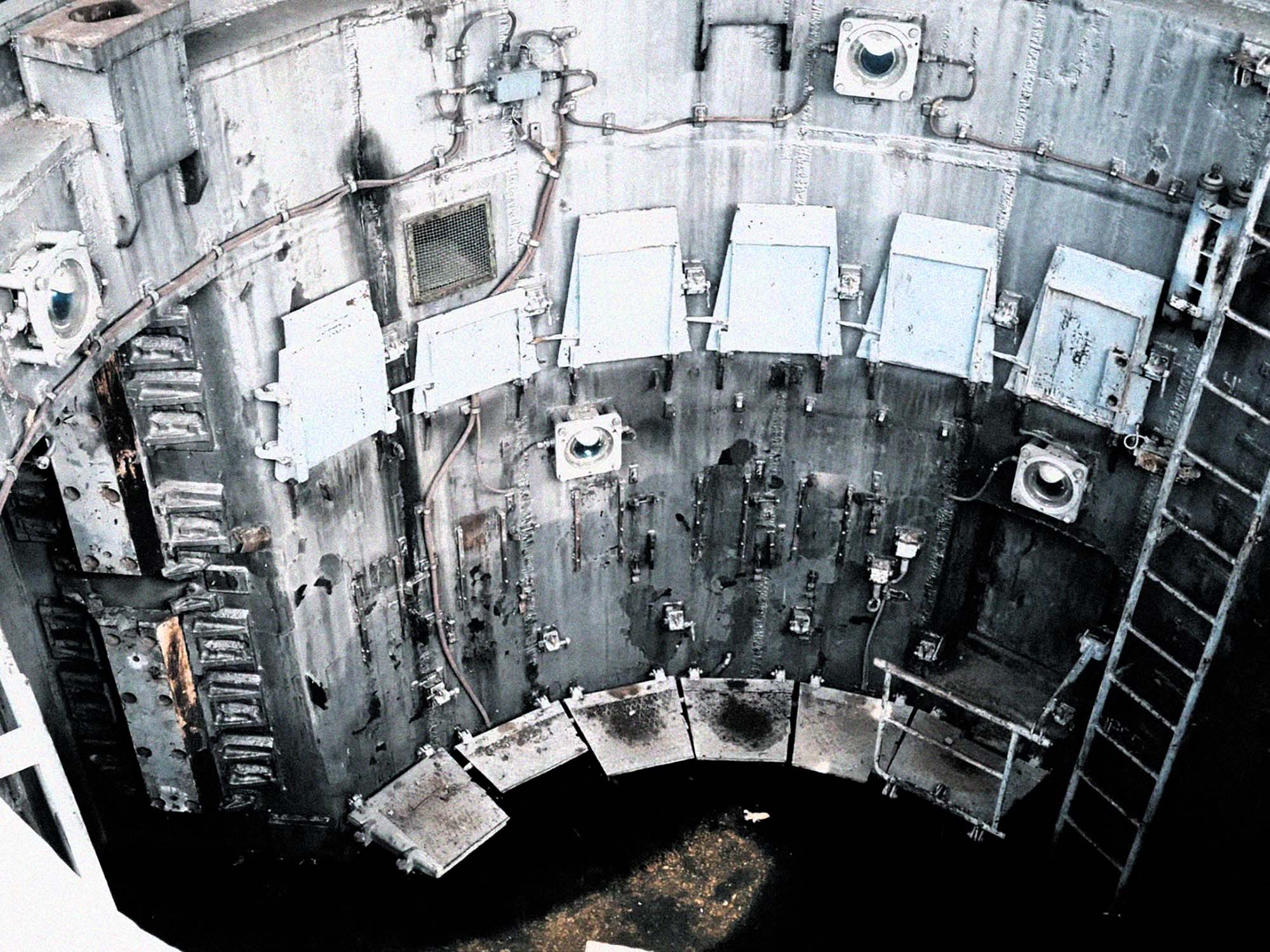
A preserved Soviet nuclear missile base in Ukraine where visitors can descend into an original underground command post built to launch intercontinental ballistic missiles, surrounded by a missile silo, Cold War security systems and some of the largest strategic missiles ever constructed.
Museum of Strategic Missile Forces is a military museum near Pobuzke in central Ukraine, established around a preserved combat position of the former Soviet 309th Missile Regiment. The regiment belonged to the 46th Missile Division of the 43rd Rocket Army and operated part of the Soviet Union’s strategic nuclear missile network around Pervomaisk. Unlike a conventional military museum assembled from equipment moved to a new location, much of the complex remains where it originally operated during the final years of the Cold War.
The preserved position was equipped for the RS-22 Molodets, known to NATO as the SS-24 “Scalpel”, an intercontinental ballistic missile capable of carrying multiple nuclear warheads. The RS-22 complexes at the site were on combat duty from 1989 until 1999. Missile silos were dispersed across the surrounding countryside, while groups of launchers were controlled from heavily protected underground command centres designed to continue functioning even after a nuclear attack.
One of the museum’s principal structures is an original 35-metre-deep missile silo. The reinforced shaft was designed to contain an RS-22 inside its launch canister and was protected by a massive cover weighing approximately 121 tonnes. The surviving silo no longer contains an operational missile, and the nuclear and other essential military components were removed during Ukraine’s disarmament. A model of an RS-22 warhead section is displayed nearby to illustrate what the installation was originally built to accommodate.
The most unusual part of the complex is the Unified Command Post. It occupies a separate shaft approximately 40 metres deep and consists of a cylindrical steel structure 33 metres long, 3.3 metres in diameter and weighing about 125 tonnes. Rather than being rigidly fixed to the surrounding shaft, the command capsule was isolated from it by a suspension and shock-absorption system intended to protect the equipment and crew from the effects of a nearby nuclear explosion.
The cylinder is divided into twelve compartments containing communications, control, life-support and other equipment. The launch crew worked in the eleventh compartment, approximately 30 metres below ground. Two officers remained on duty there at a time, normally working six-hour shifts. They could reach the lower compartments by a small lift running alongside the command structure. In the event of war, the command post was designed to function independently from the outside world for as long as 45 days.
The original launch-control room remains largely intact, including the consoles from which orders relating to the regiment’s missiles could have been carried out. The controls are now permanently disconnected from any weapon system, but demonstrations reproduce elements of the former launch procedure. The small compartment, surrounded by layers of reinforced concrete and machinery deep underground, provides a rare surviving example of the environment in which Soviet officers could have received orders to launch nuclear weapons during the Cold War.
The surface installations are also preserved. They include the power unit, refrigeration and ventilation equipment, communications infrastructure and a fortified guard building connected to the underground complex. The guard position had both surface and subterranean sections and was protected by automated security systems. A PKT machine-gun turret was installed on its roof, while the wider launch area was surrounded by several layers of physical and electronic security intended to detect and prevent unauthorised access to the nuclear installation.
A large open-air exhibition contains missiles, rocket engines, transport vehicles, fuel equipment and other machinery connected with Soviet missile forces. The most imposing exhibit is a full-sized R-36M-series missile, better known by the NATO designation SS-18 “Satan”. At more than thirty metres long and weighing more than 200 tonnes when fully fuelled, variants of the SS-18 ranked among the largest and most powerful intercontinental ballistic missiles developed during the Cold War. The museum also displays an R-12, the type of medium-range ballistic missile whose deployment to Cuba contributed directly to the Cuban Missile Crisis of 1962.
The SS-18 should not be confused with the weapons formerly deployed at this particular preserved command position. The 309th Regiment site represented by the surviving silo and command centre operated the SS-24. The other missile systems have been brought together as part of the museum’s wider exhibition on the development of Soviet strategic missile forces.
When the Soviet Union dissolved in 1991, an enormous Soviet nuclear arsenal remained on the territory of newly independent Ukraine. This included intercontinental ballistic missiles, strategic bombers and approximately 1,700–1,900 strategic nuclear warheads, giving Ukraine custody of what was commonly described as the third-largest nuclear arsenal in the world. Operational control and ownership of this inherited arsenal were considerably more complicated than the simple description of Ukraine as an independent nuclear power suggests, but the weapons and their delivery systems were physically located on Ukrainian territory.
Ukraine subsequently committed itself to becoming a non-nuclear state. Nuclear warheads were transferred to Russia, Ukraine joined the Nuclear Non-Proliferation Treaty as a non-nuclear-weapon state, and missile infrastructure was dismantled with international assistance, including the American Nunn–Lugar Cooperative Threat Reduction programme. The United States, United Kingdom and Russia also provided Ukraine with security assurances under the Budapest Memorandum of 5 December 1994. The last nuclear warheads had left Ukrainian territory by 1996, although dismantling the missile infrastructure continued for several more years.
The Pervomaisk region contained dozens of strategic missile silos, most of which were destroyed or rendered unusable during the disarmament programme. On 30 October 2001, the last Ukrainian silo constructed for an RS-22/SS-24 was demolished near Pervomaisk. The combat position at Pobuzke was instead retained for preservation, allowing its command post, surface installations and associated equipment to become a museum. Current material from the National Military History Museum of Ukraine dates the formal establishment of the museum branch to 8 November 2000, while other institutional histories use 30 October 2001 in connection with the completion of silo destruction and the conversion of the preserved position into a museum.
The museum is now a branch of the National Military History Museum of Ukraine. Former missile officers have been involved in maintaining and interpreting equipment on the site, including men who served within the same strategic missile system when it was operational. The result is one of the most complete surviving environments associated with the Soviet land-based nuclear forces: not merely missiles displayed outdoors, but an original fortified launch position, underground command capsule and the machinery that supported it.
Russia’s seizure of Ukrainian territory beginning in 2014 and its full-scale invasion of Ukraine in 2022 have also given the museum’s disarmament history renewed significance. The Budapest Memorandum included commitments by its signatories to respect Ukraine’s independence, sovereignty and existing borders and to refrain from the threat or use of force against the country. Russia’s subsequent actions violated those commitments, making Ukraine’s decision to relinquish the nuclear weapons left on its territory after the Soviet collapse a continuing subject of international debate. The preserved missile base consequently documents not only Cold War nuclear deterrence, but one of the most consequential disarmament programmes of the post-Soviet period.
Location: At a preserved former Soviet strategic missile position near Pobuzke in Kirovohrad Oblast, close to the border with Mykolaiv Oblast and the city of Pervomaisk.
Address: Pobuzke, Holovanivsk District, Kirovohrad Oblast, Ukraine
Category: museum, military site, bunker
Tags: nuclear weapons, Cold War, ICBM, missile silo, underground command post, nuclear warfare, Soviet Union, SS-24, SS-18, nuclear disarmament, Budapest Memorandum, 46th Missile Division, 309th Missile Regiment
Darkness Level: ☠ ☠ ☠ ☠ ☠ ☠ ☠ ☠ ☠ ☠
Homepage: nvimu.com.ua
Map: Open in Google Maps
Gallery