Musée de la Magie
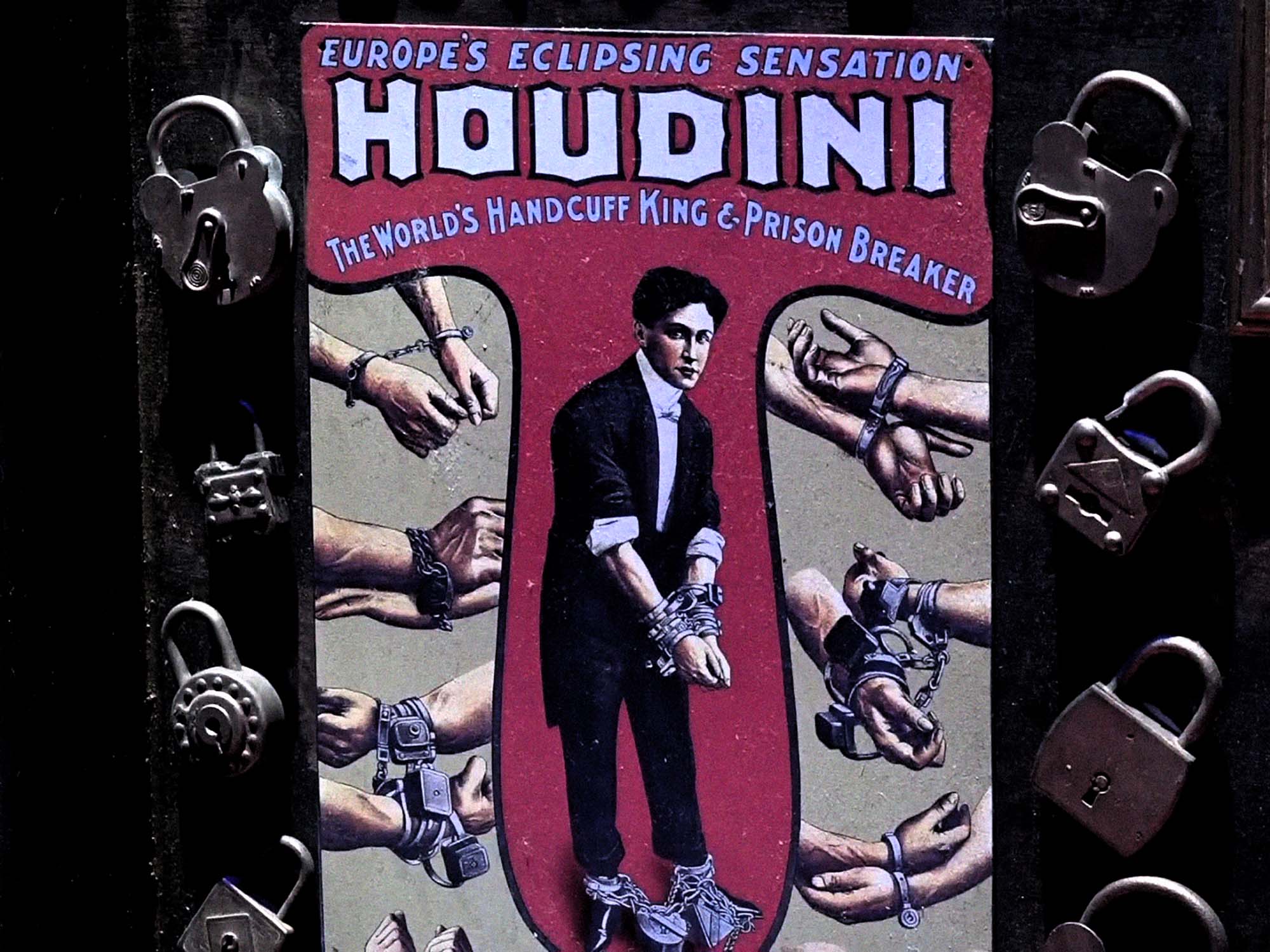
A private museum of stage magic and illusionism housed in 16th-century vaulted cellars in Paris, displaying secret apparatus, historic posters, optical illusions, spiritualist devices and mechanical automata.
Musée de la Magie, or the Museum of Magic, is a private museum at 11 Rue Saint-Paul in the Marais district of Paris. It was created by magician and collector Georges Proust, who acquired the premises in 1987 and spent six years converting the underground rooms into a museum. It opened to the public in 1993, originally under the longer name Musée de la Curiosité et de la Magie. The exhibition occupies a series of vaulted stone cellars dating from the 16th century.
The museum documents the development of conjuring and stage illusion from the 18th century to the present. Its collection includes magic wands, trick boxes, concealed mechanisms, optical equipment, costumes, engravings and colourful posters advertising illusionists and travelling magic shows. Displays cover prominent performers including Jean-Eugène Robert-Houdin, Harry Houdini and Georges Méliès, whose early work as a stage magician influenced his later experiments with film editing and special effects.
Several exhibits demonstrate how apparently impossible stage effects were produced through mechanical construction, hidden compartments and controlled sightlines. The collection includes apparatus associated with levitation, vanishing acts, appearances and transformations. Among its larger objects is an ornate version of the Sawing a Woman in Half illusion used by the American magician Howard Thurston from the 1920s. Another model separates into two sections after the concealed assistant has apparently been divided.
The museum also contains objects connected with the 19th- and early-20th-century popularity of Spiritualism. Professional magicians developed apparatus that reproduced phenomena attributed to mediums, including spirit slates, concealed restraints, moving tables and mechanisms for apparent levitation. Such objects could be used to create written messages, unexplained movement and other effects associated with séances. The displays present these as constructed illusions rather than evidence of supernatural activity.
A separate section examines optical deception through anamorphic images, distorting mirrors, holograms, magic lanterns and visual puzzles. These exhibits demonstrate how perspective, reflected light, retinal persistence and the assumptions of the observer can be used to produce apparently impossible images. Several installations and games are interactive, allowing visitors to operate the effects themselves.
The museum is connected with the adjoining Musée des Automates, established as a complementary exhibition in 2007. It contains more than one hundred historic and modern mechanical figures, including animals, performers, tradespeople and scenes inspired by circuses, fairgrounds, cinema and popular stories. Visitors activate many of the automata by pressing buttons, revealing the gears, motors and mechanisms that create their movements.
A salon magic performance is included as part of the museum visit. Magician-guides explain objects from the collection, demonstrate sleight of hand and present short illusions in a small performance space. The museum therefore combines historical displays with demonstrations of the techniques and misdirection that continue to form the basis of modern stage magic.
Location: In 16th-century underground cellars on Rue Saint-Paul in the Marais district.
Address: 11 Rue Saint-Paul, 75004 Paris, France
Category: museum
Tags: stage magic, illusionism, conjuring, spiritualism, séances, optical illusions, automata, secret mechanisms, Robert-Houdin, Houdini, Georges Méliès
Darkness Level: ☠ ☠ ☠
Homepage: museedelamagie.com
Map: Open in Google Maps
Gallery