Mount Hekla
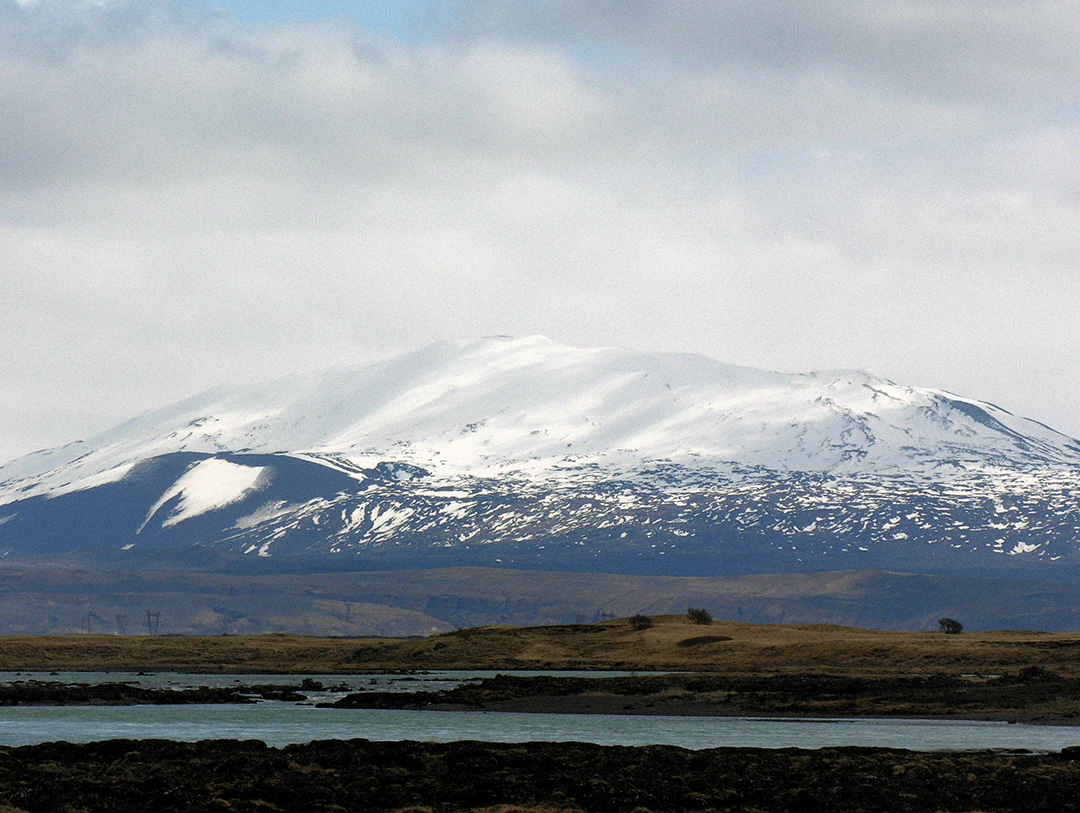
Iceland’s most feared volcano in medieval Europe, long believed to be a literal gateway to Hell.
:contentReference[oaicite:1]{index=1} rises from southern Iceland as one of the country’s most active and historically terrifying volcanoes. For centuries, its frequent and violent eruptions shaped not only the landscape but also the imagination of Europe. In the Middle Ages, Hekla was widely believed to be an entrance to Hell itself — a place where damned souls were said to pass into the underworld.
The volcano’s reputation was fuelled by dramatic eruptions such as those in 1104, 1300, and 1341, which sent ash clouds across Iceland and as far as mainland Europe. Contemporary chronicles describe fire, darkness, and falling ash in apocalyptic terms, reinforcing the idea that Hekla was a portal to infernal realms. Monks and scholars wrote of witches flying to Hekla, demons emerging from its slopes, and souls screaming from within the mountain.
Today, Hekla remains one of Iceland’s most dangerous volcanoes due to its unpredictability, with eruptions often beginning with little warning. The surrounding lava fields and stark, windswept terrain still feel hostile and otherworldly. Though science has replaced superstition, Mount Hekla continues to embody the same raw power that once made it Europe’s most feared mountain — a natural monument to fire, destruction, and the human urge to explain catastrophe through myth.
Location: Located in southern Iceland, east of the town of Hella.
Address: Mount Hekla, Rangárþing ytra, Iceland
Category: volcano, mythology, natural site
Tags: Mount Hekla, Hekla, Iceland, volcano, gateway to Hell, medieval beliefs, eruption, lava fields
Darkness Level: ☠ ☠ ☠ ☠ ☠ ☠
Map: Open in Google Maps
Gallery