Kongsvinger Fortress
A 17th-century border fortress overlooking the Glomma, built to defend eastern Norway against Sweden and later used for penal labour, military imprisonment, SS training during the German occupation and the post-war internment of convicted and suspected collaborators.
Kongsvinger Fortress stands on a hill above the town of Kongsvinger and the Glomma river, close to Norway’s border with Sweden. Its origins lie in the wars between Denmark-Norway and Sweden during the 17th century. After Bohuslän and other territories were lost to Sweden in 1658, the border region became increasingly important to Norwegian defence. Tråstad Skanse was established beside the Glomma in 1658 to protect a strategically important river crossing, followed by Vinger Skanse on the hill above it in 1673–1674.
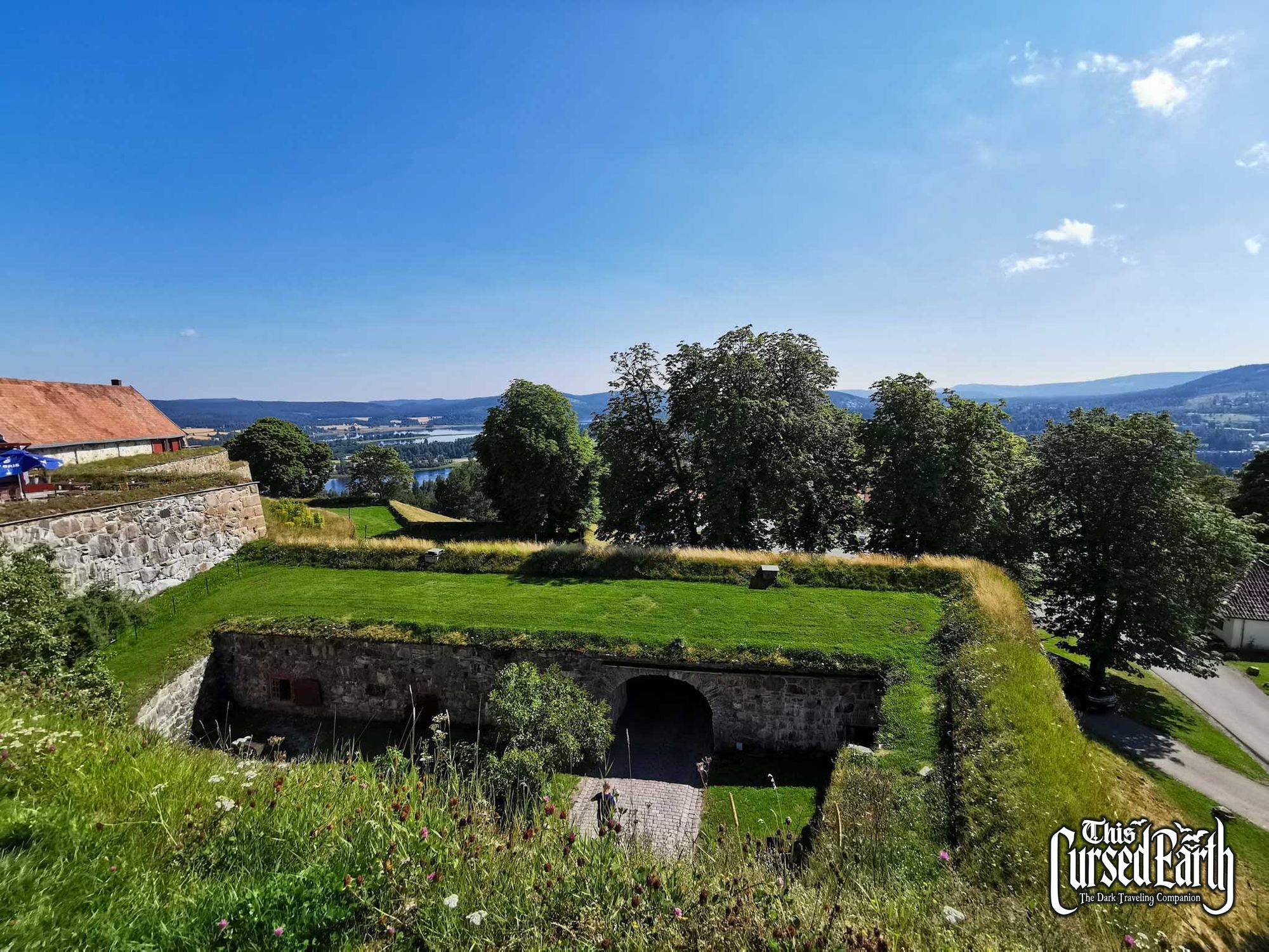
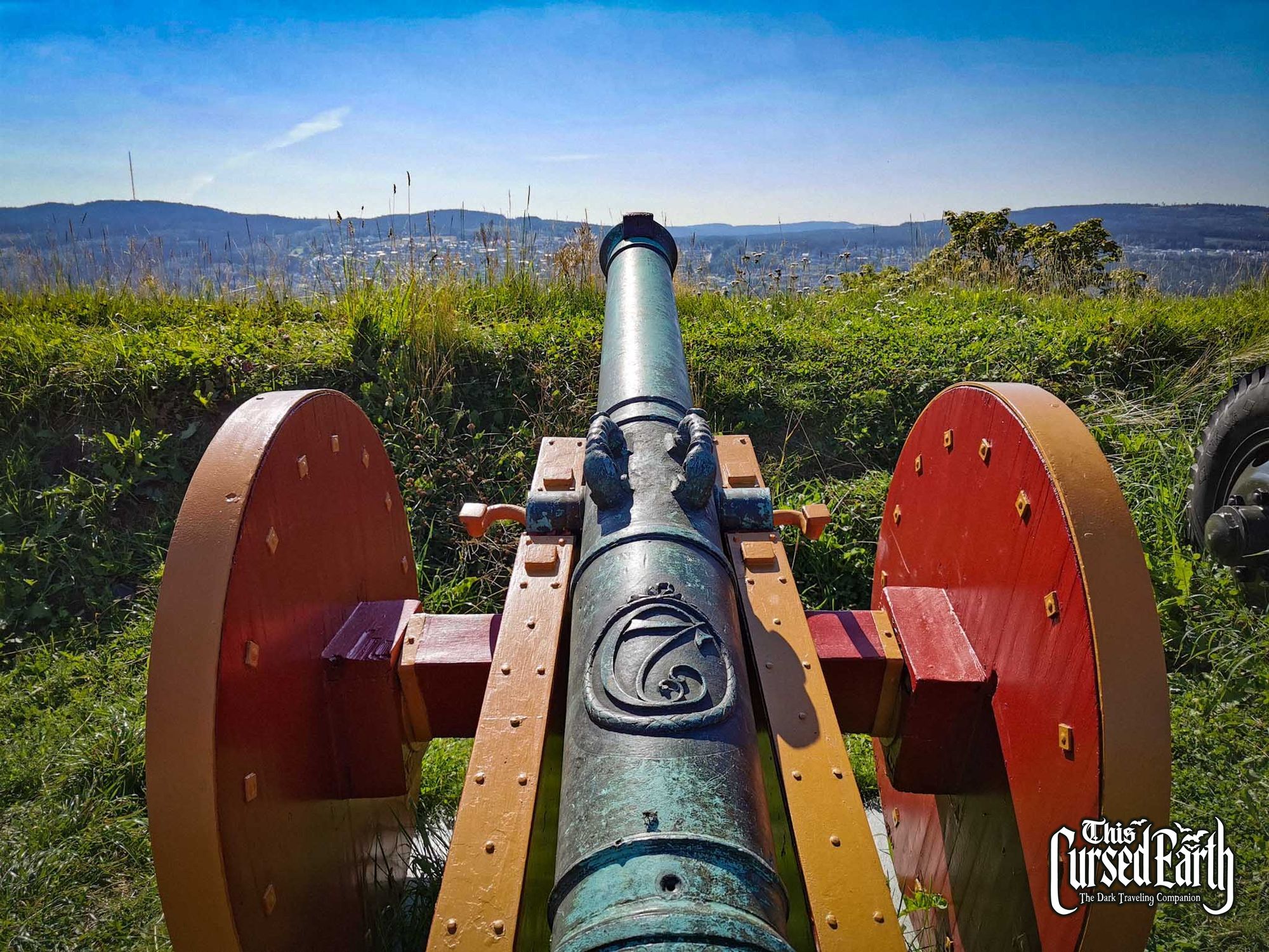
King Christian V approved plans for a substantially larger fortress in 1681, incorporating Vinger Skanse into the new defences. The principal construction period lasted until 1689. The fortress was designed around a combination of bastions and tenaille-style fortifications adapted to the steep terrain. Its position allowed artillery to control the old routes leading from central Sweden through Vinger and towards the Norwegian interior. The growing military settlement beneath the walls became the foundation for the later town of Kongsvinger.
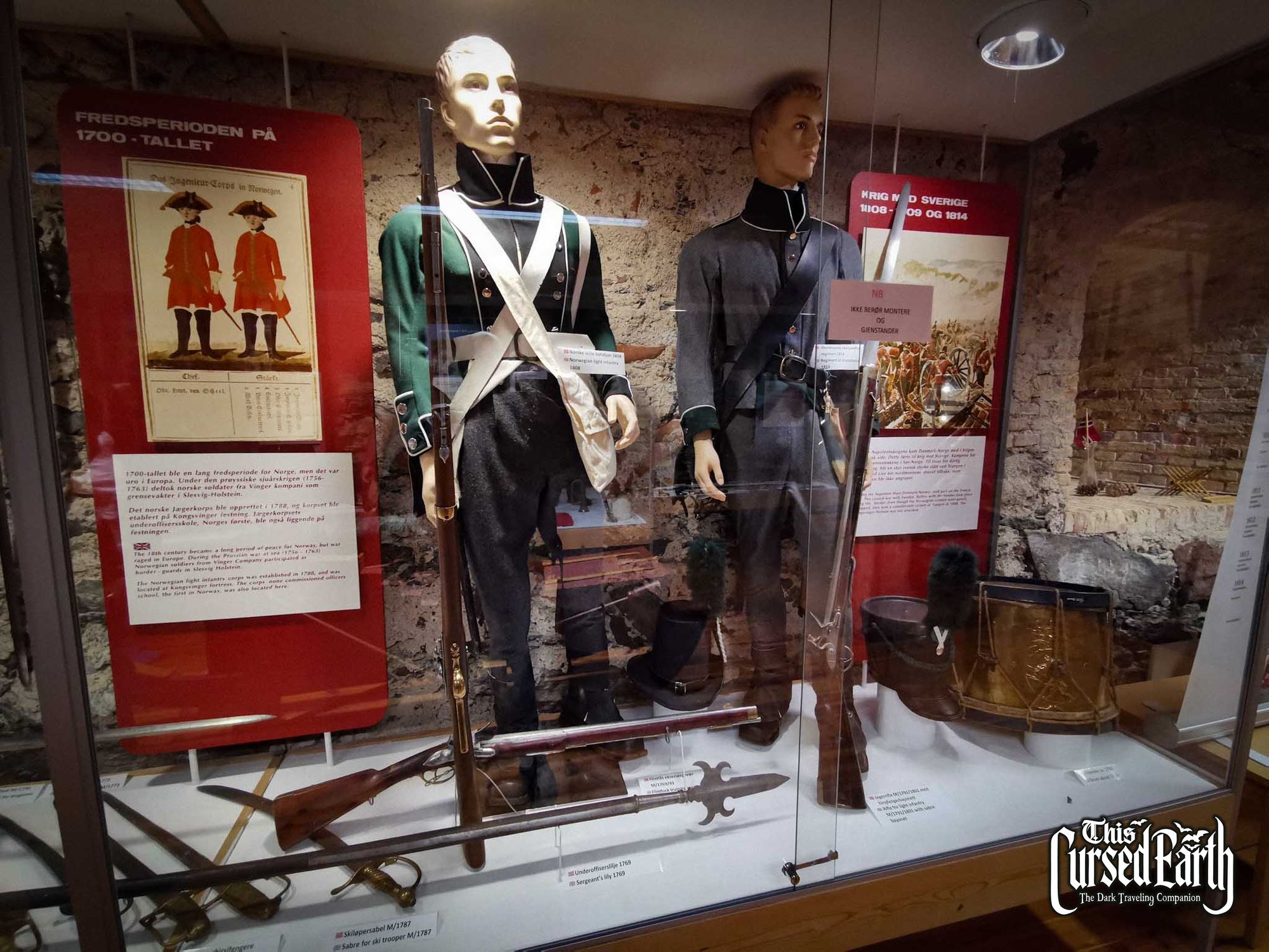
Despite its strategic importance, Kongsvinger Fortress was never captured or directly besieged. Swedish forces avoided attacking it during the Great Northern War, probably because its position and fortifications made an assault costly. Fighting nevertheless took place elsewhere in the Kongsvinger district during the wars of 1808 and 1814. The fortress served as an important Norwegian supply and mobilisation centre during these conflicts, with a garrison of around 900 men in 1808 and approximately 1,200 in 1814.
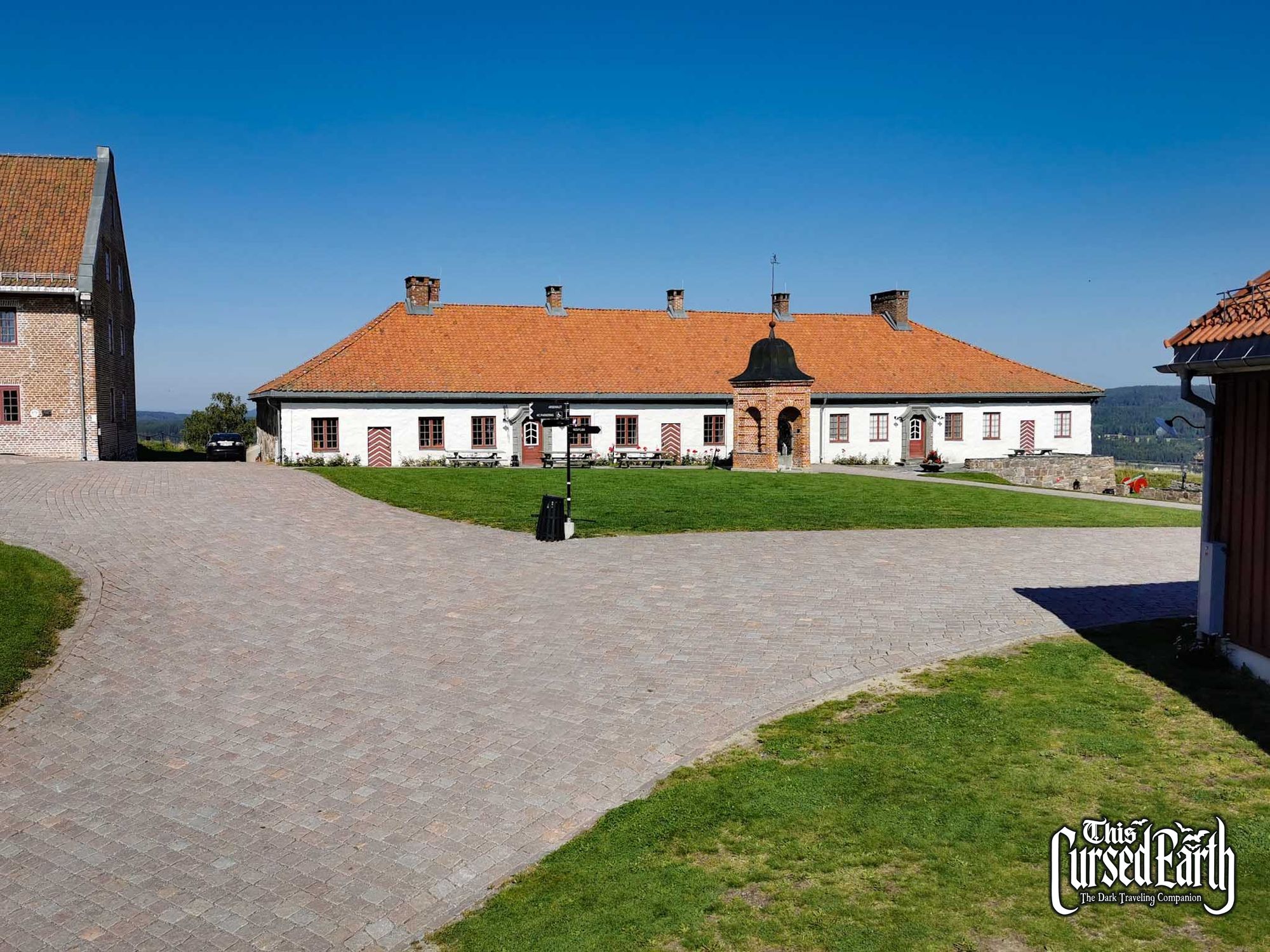
The fortress also functioned as a place of punishment. Beginning in 1741, convicted prisoners sentenced to hard labour were sent to Kongsvinger. In contemporary Norwegian military terminology these prisoners were commonly called slaver, and their accommodation became known as Slaveriet. They were initially housed in the main guard building and later in the Old Barracks as their numbers increased. Prisoners performed compulsory labour connected with maintenance, construction and other work around the fortress. This system remained in use at Kongsvinger until 1823.
The union between Norway and Sweden after 1814 greatly reduced the fortress’s immediate military importance. During the tensions leading to the dissolution of the union in 1905, however, Kongsvinger again became part of Norwegian defence planning. The modern Vardåsen and Gullbekkåsen forts were constructed nearby and opened in 1903 as part of the wider Kongsvinger fortifications. Unlike several other installations along the Swedish border, Kongsvinger Fortress was not required to be demolished under the Karlstad agreements following the peaceful dissolution of the union.
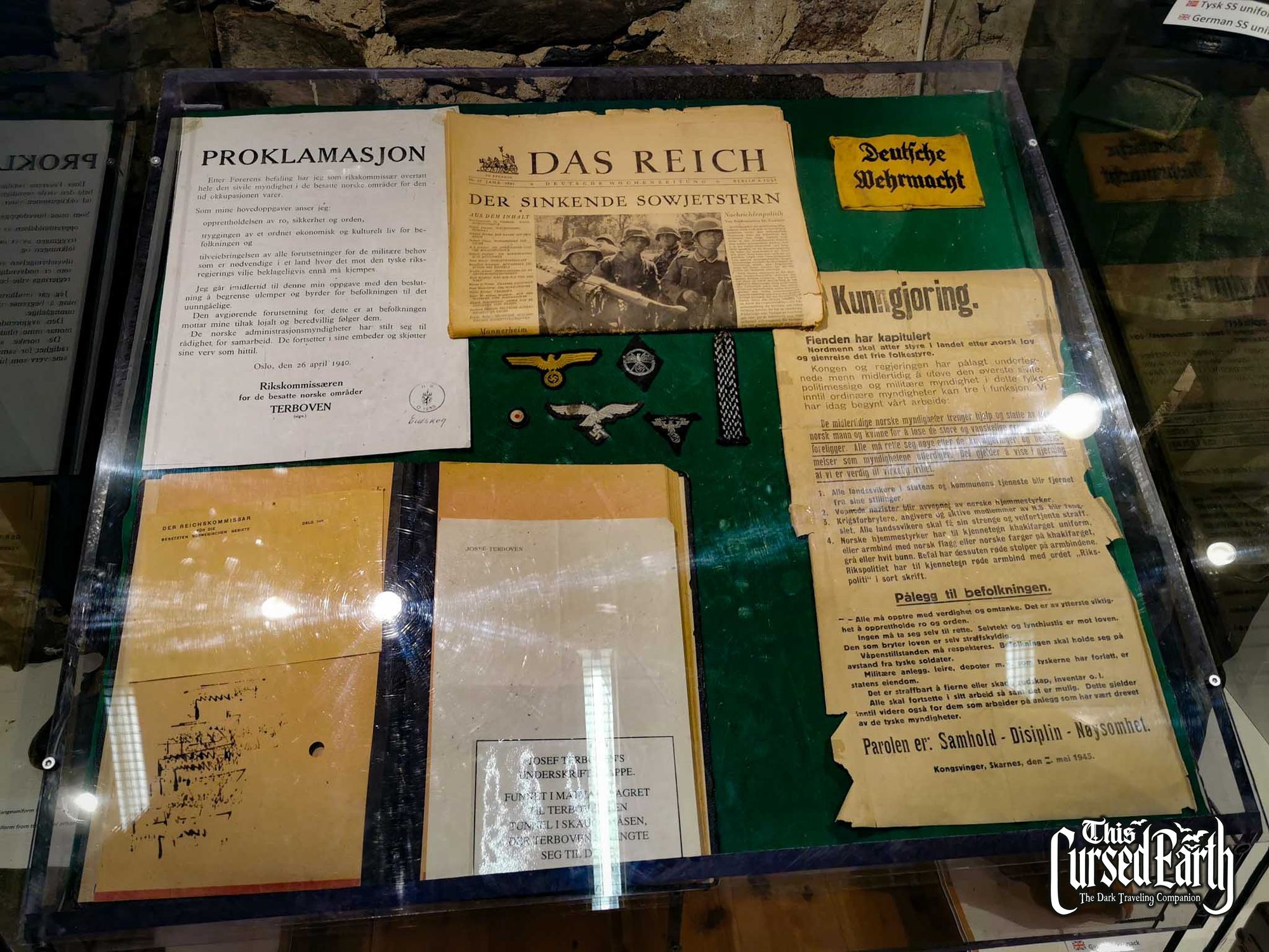
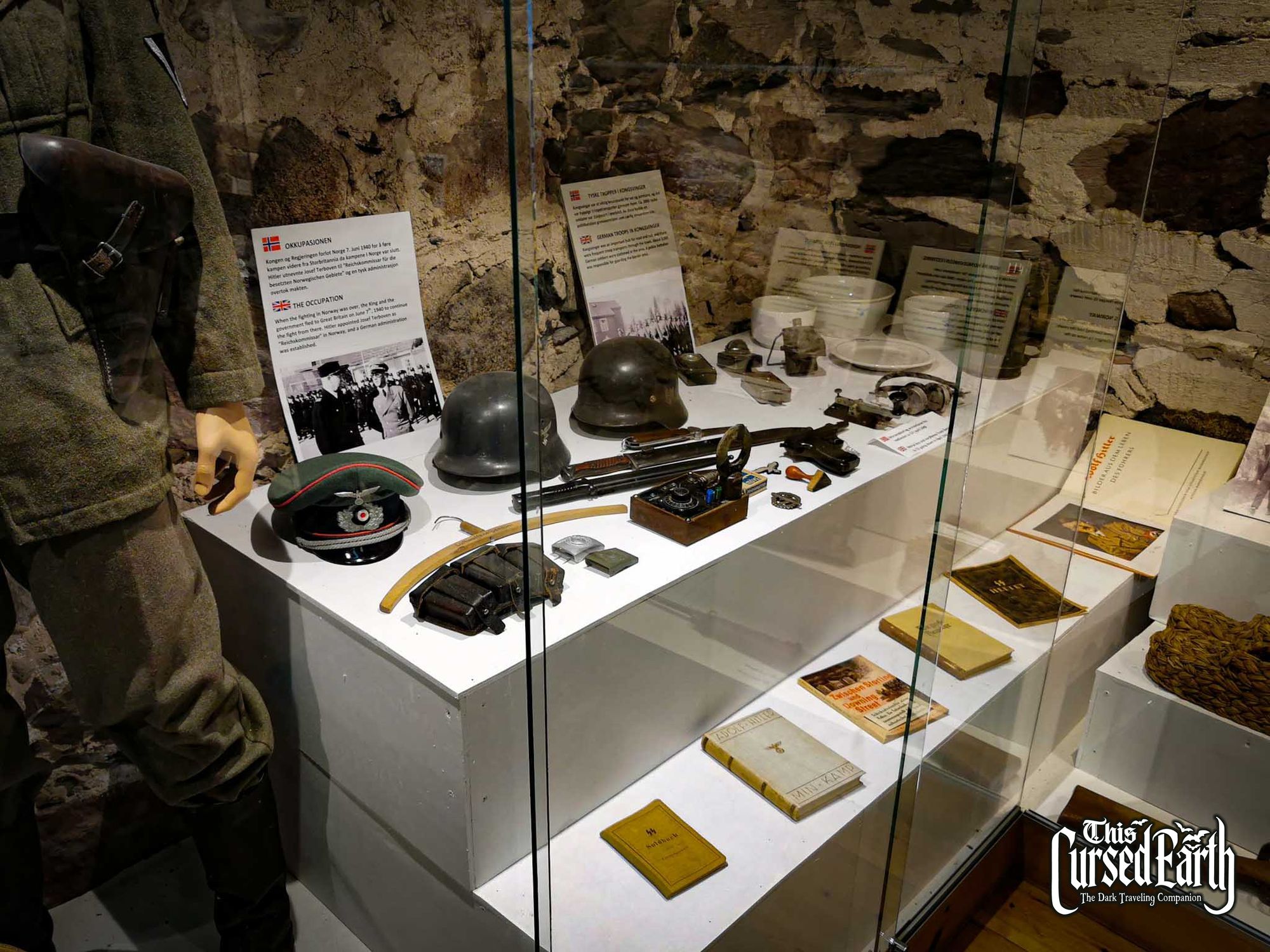
At the beginning of World War II, the fortress was used as an internment site for military personnel from belligerent countries who entered neutral Norwegian territory. In practice, the internees recorded there in 1939 were Germans. During the German invasion in April 1940, Norwegian soldiers fired on advancing German forces from positions at Vardåsen using the two field guns that remained available. Kongsvinger Fortress came under German control on 16 April 1940.
The occupation forces subsequently used the historic fortress for military purposes. From 1941, it became a training centre for the newly established Norges SS, the Norwegian branch of the SS organisation. Barracks and other buildings were refurbished for courses, accommodation and communal facilities. Norges SS was later reorganised as Germanske SS Norge and formed part of the collaborationist National Socialist movement operating under German occupation.
Immediately after liberation in 1945, the function of the fortress changed again. It was used as an internment camp for people accused of treason and collaboration during the legal purge that followed the occupation. This use continued until the summer of 1946. The same buildings that had recently housed German-controlled SS training therefore became temporary accommodation for people detained by the restored Norwegian authorities.
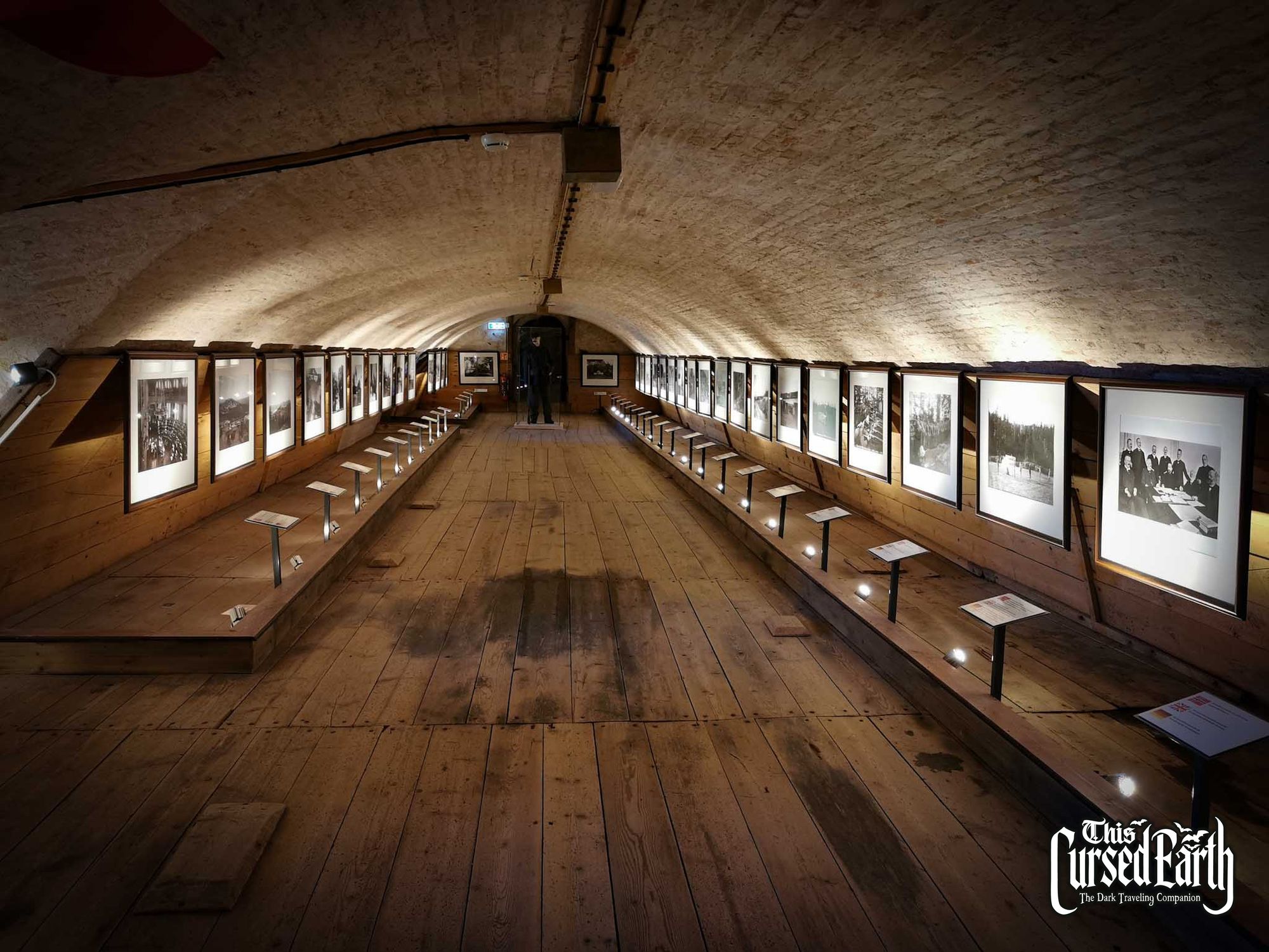
Post-war military activity continued for several decades. The Field Artillery Officer School used the fortress from 1946 until 1959, after which it became associated with the Home Guard. A military museum opened in the former provision store in 1982 during the fortress’s 300th-anniversary celebrations. Its exhibitions cover Norwegian military history as well as the border region during World War II, including the extensive clandestine traffic of refugees, resistance members, couriers and intelligence personnel between occupied Norway and neutral Sweden.
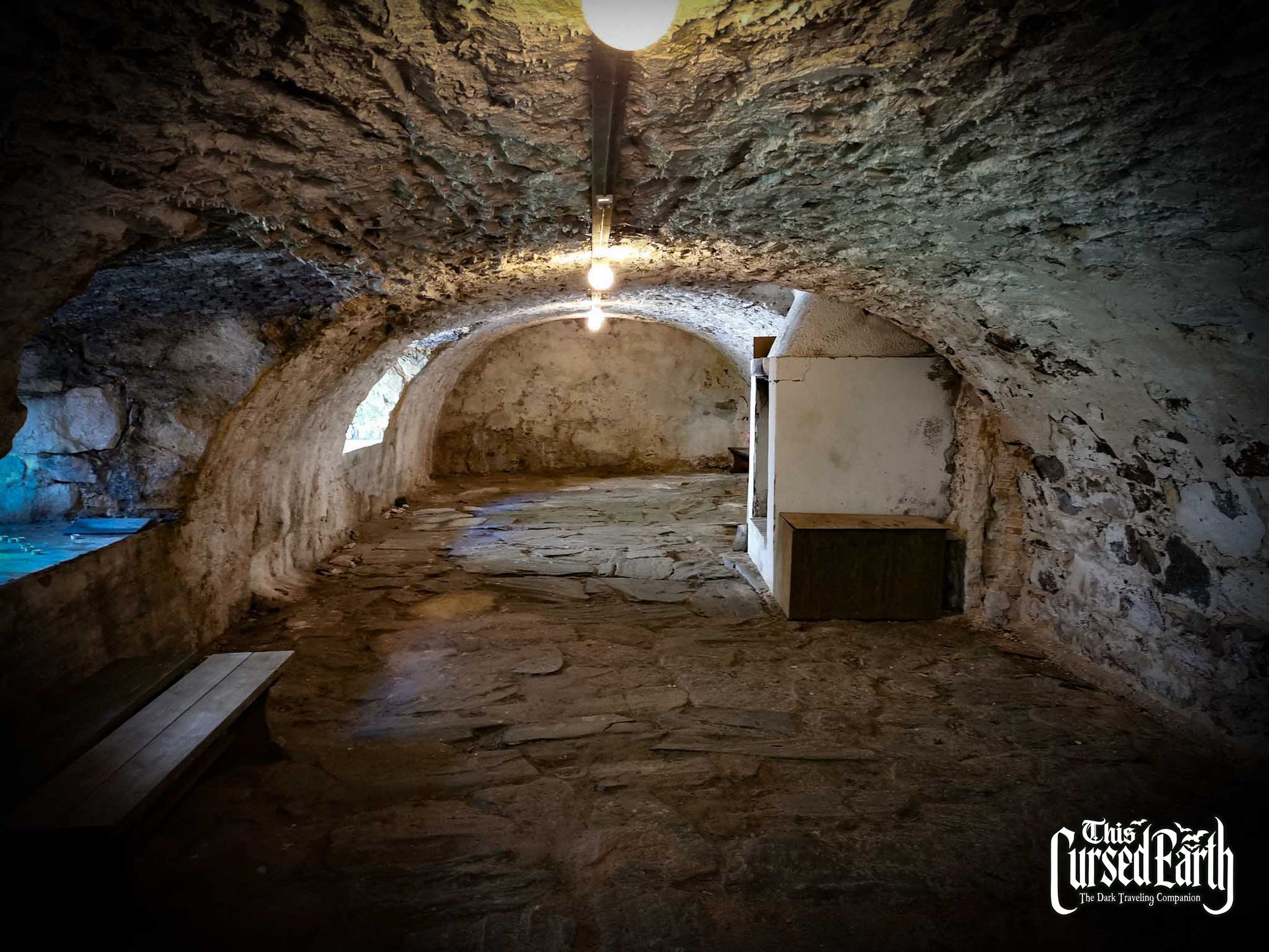
Regular military activity at Kongsvinger eventually ended, and responsibility for the historic complex passed to Forsvarsbygg after the local Home Guard district was closed in 2005. The fortress is now a protected national monument. Surviving features include bastions, artillery positions, casemates, magazines, barracks and buildings connected with both the military garrison and the period of penal labour.
Location: On a hill above central Kongsvinger and the Glomma river, close to the Swedish border.
Address: Kongsvinger festning, 2213 Kongsvinger, Norway
Category: fortress, museum
Tags: border fortress, Sweden, penal labour, prison, Slaveriet, World War II, German occupation, Norges SS, collaboration, internment camp, military history
Darkness Level: ☠ ☠ ☠ ☠ ☠ ☠ ☠
Homepage: forsvarsbygg.no
Map: Open in Google Maps
Gallery