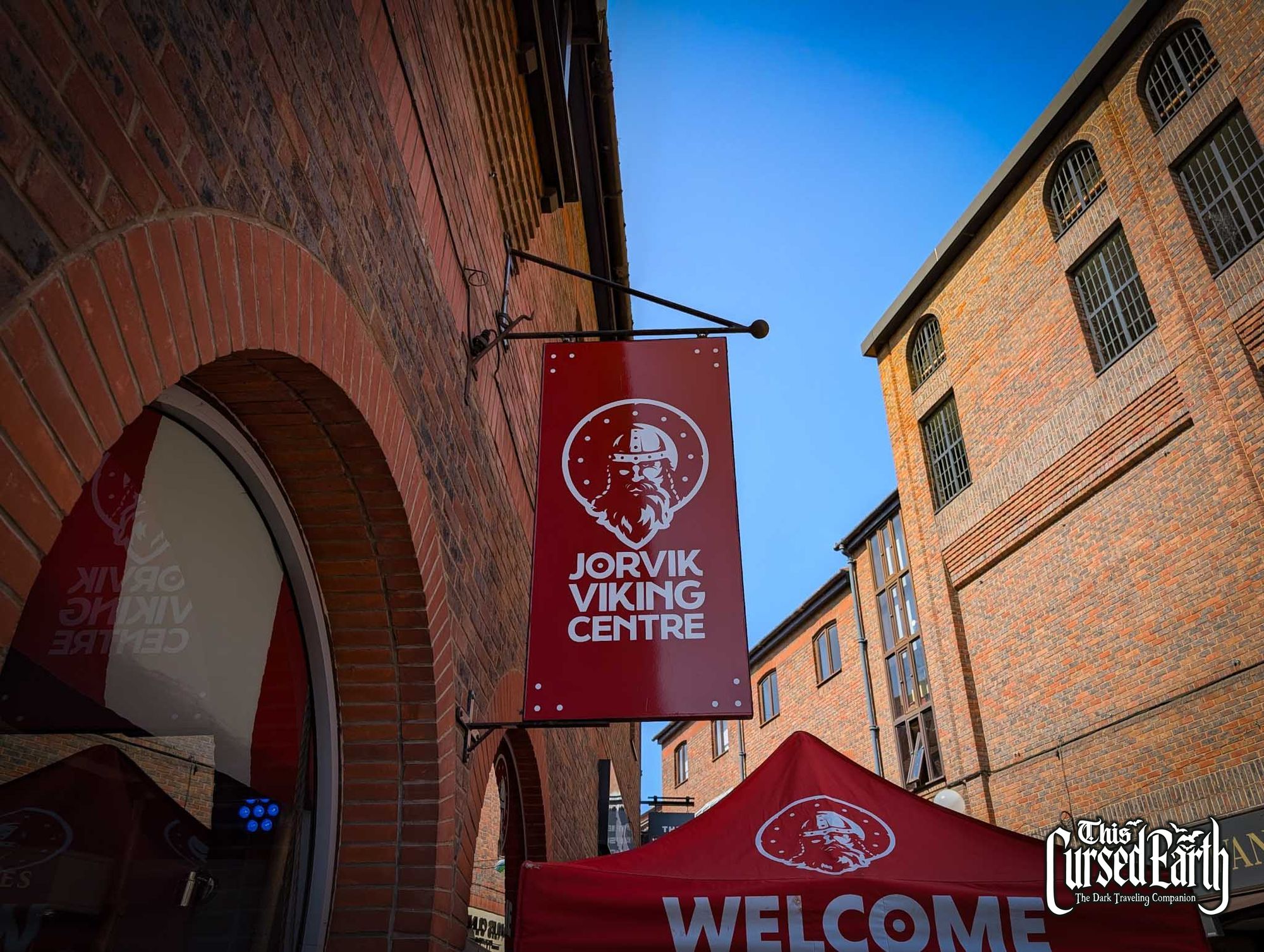
Jorvik Viking Centre

An immersive museum in York that brings the Viking Age to life through archaeology, reconstructions, and interactive experiences.
Beneath a modern shopping centre in York lies the remains of a Viking neighbourhood that spent centuries sealed beneath wet, peaty soil. JORVIK Viking Centre was built directly above one of Britain's most important Viking Age excavations, where archaeologists uncovered houses, workshops, rubbish pits, human parasites, animal bones, shoes, textiles and tens of thousands of objects left behind by the people of Jorvik. Rather than simply placing those finds inside glass cases, the museum took the slightly more ambitious approach of rebuilding the neighbourhood – including some of its smells.
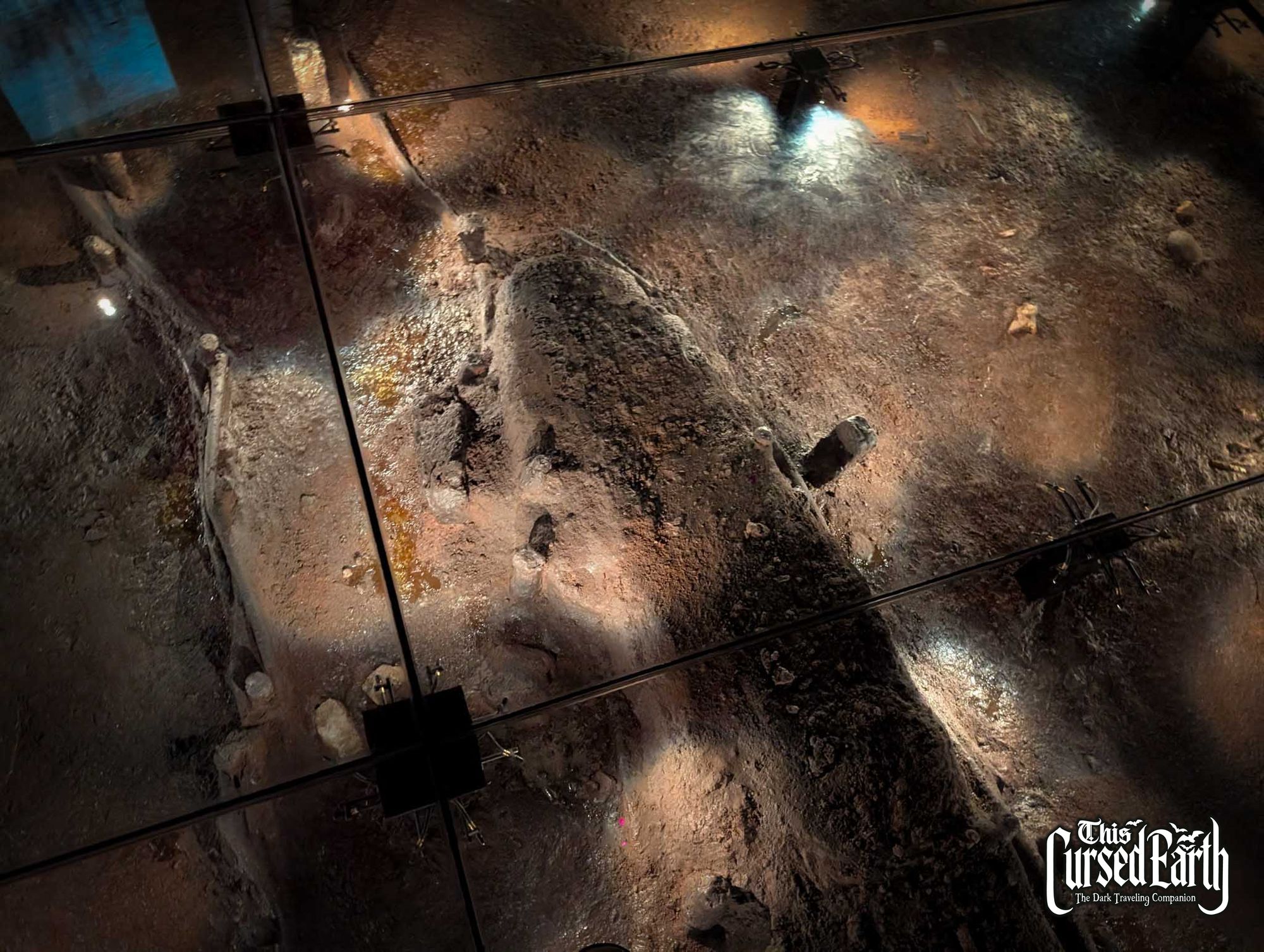
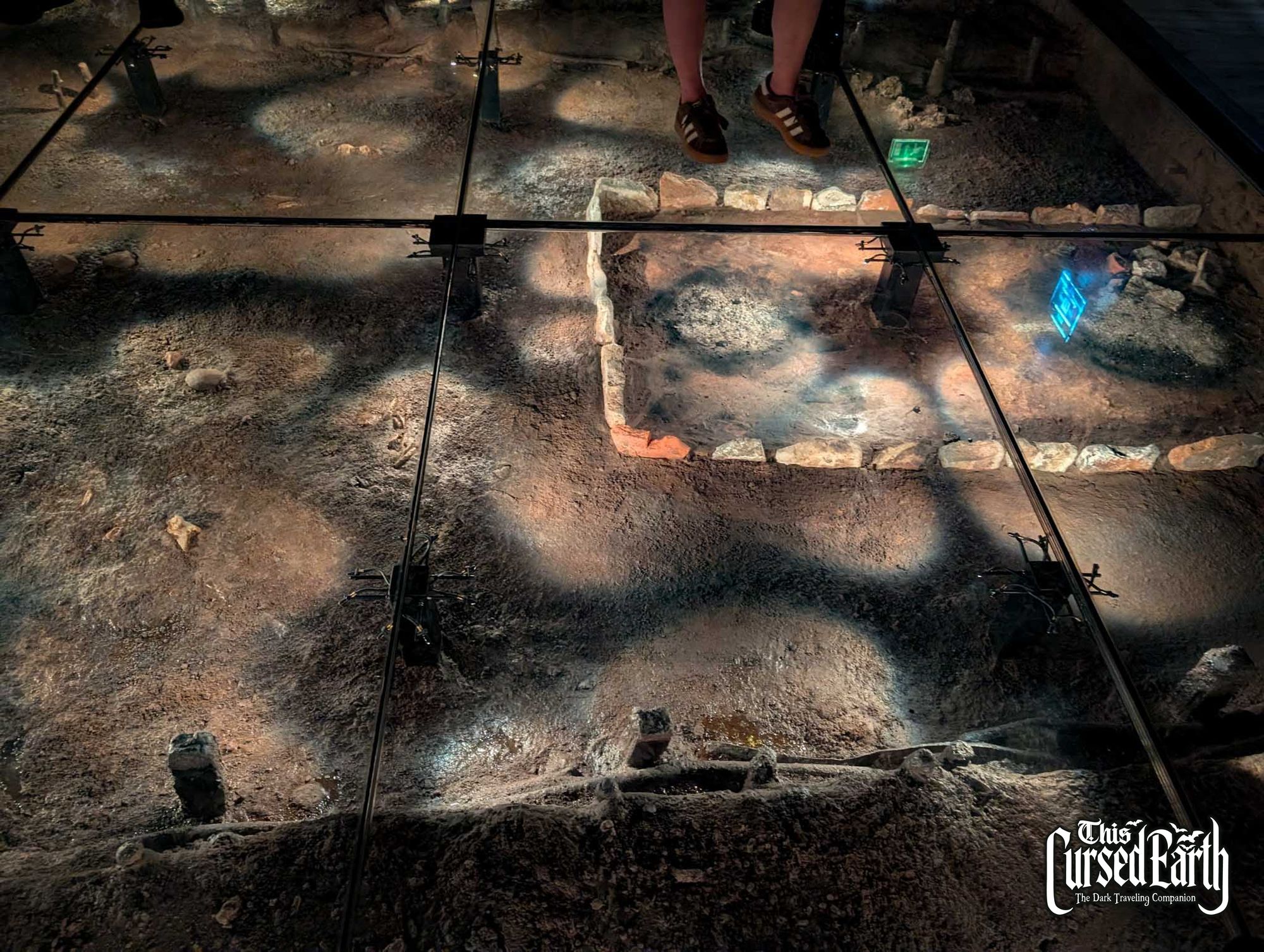
The story began in the 1970s, when redevelopment was planned around Coppergate in central York. Archaeologists already knew that Viking material survived beneath the city, but nobody was quite prepared for what they found. Between 1976 and 1981, York Archaeological Trust excavated roughly 1,000 square metres and worked through deposits representing around 2,000 years of occupation. The Viking layers were exceptionally well preserved because the damp, oxygen-poor soil had protected organic material that would normally have rotted away centuries earlier.
That meant archaeologists were not limited to the usual collection of metal objects and broken pottery. They uncovered parts of timber buildings, leather shoes, wooden bowls, textiles, tools, jewellery and even a surviving Viking sock. The excavation produced more than 250,000 fragments of pottery, around five tonnes of animal bone and roughly 40,000 individually significant objects. Seeds, pollen, insects and parasites preserved in the soil allowed researchers to reconstruct details of diet, health and the environment with an intimacy rarely possible at an archaeological site.
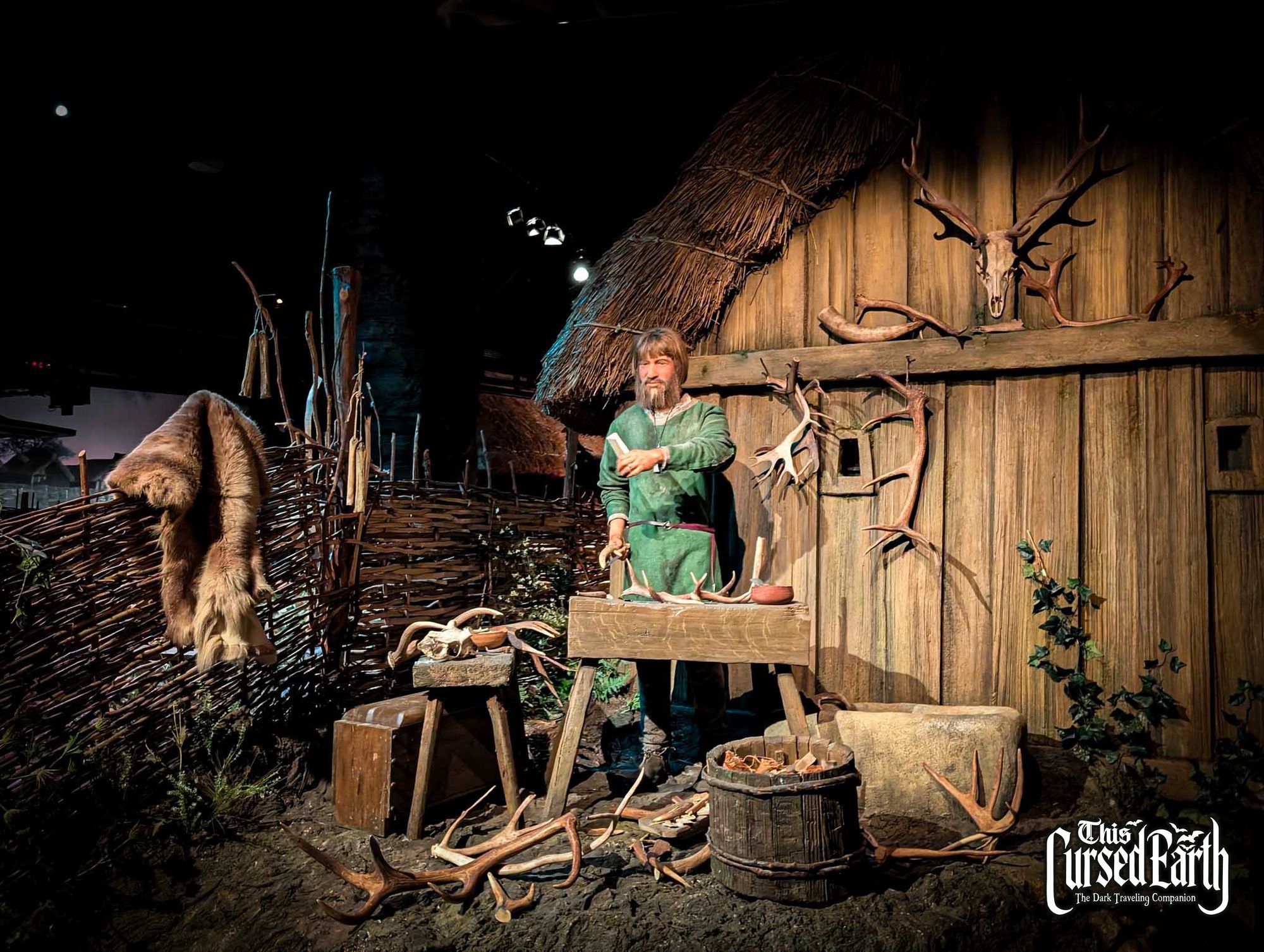
The discoveries transformed what was known about Viking York. Scandinavian forces captured the city in AD 866, and over the following generations Jorvik developed into a major centre of trade and craftsmanship. By the 10th century it may have contained around 8,000 inhabitants, making it one of the largest settlements in England. Coppergate itself was filled with workshops producing objects from wood, bone, antler, leather and metal. The name even reflects that history, deriving from Old Norse and generally interpreted as the “street of the cup-makers”.
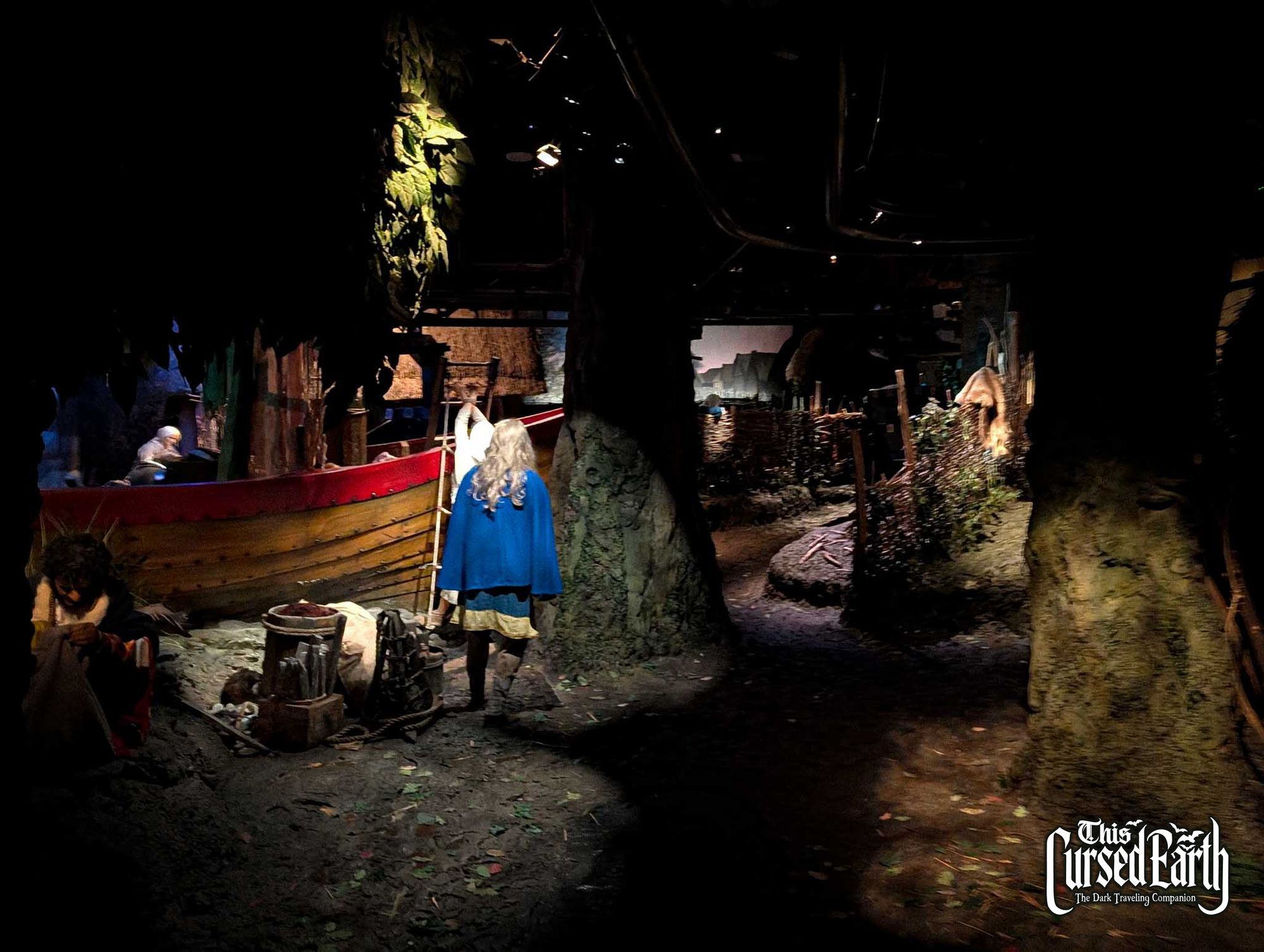
When the excavation ended, the archaeological remains were not simply covered and forgotten. JORVIK Viking Centre opened on the site on 14 April 1984, allowing visitors to travel through a reconstruction of the neighbourhood that had just been excavated. It was an unusual approach for the time. Instead of presenting the Vikings as distant figures represented by objects in display cases, JORVIK filled the streets with people, animals, workshops, voices and smells. More than twenty million visitors have passed through since then.
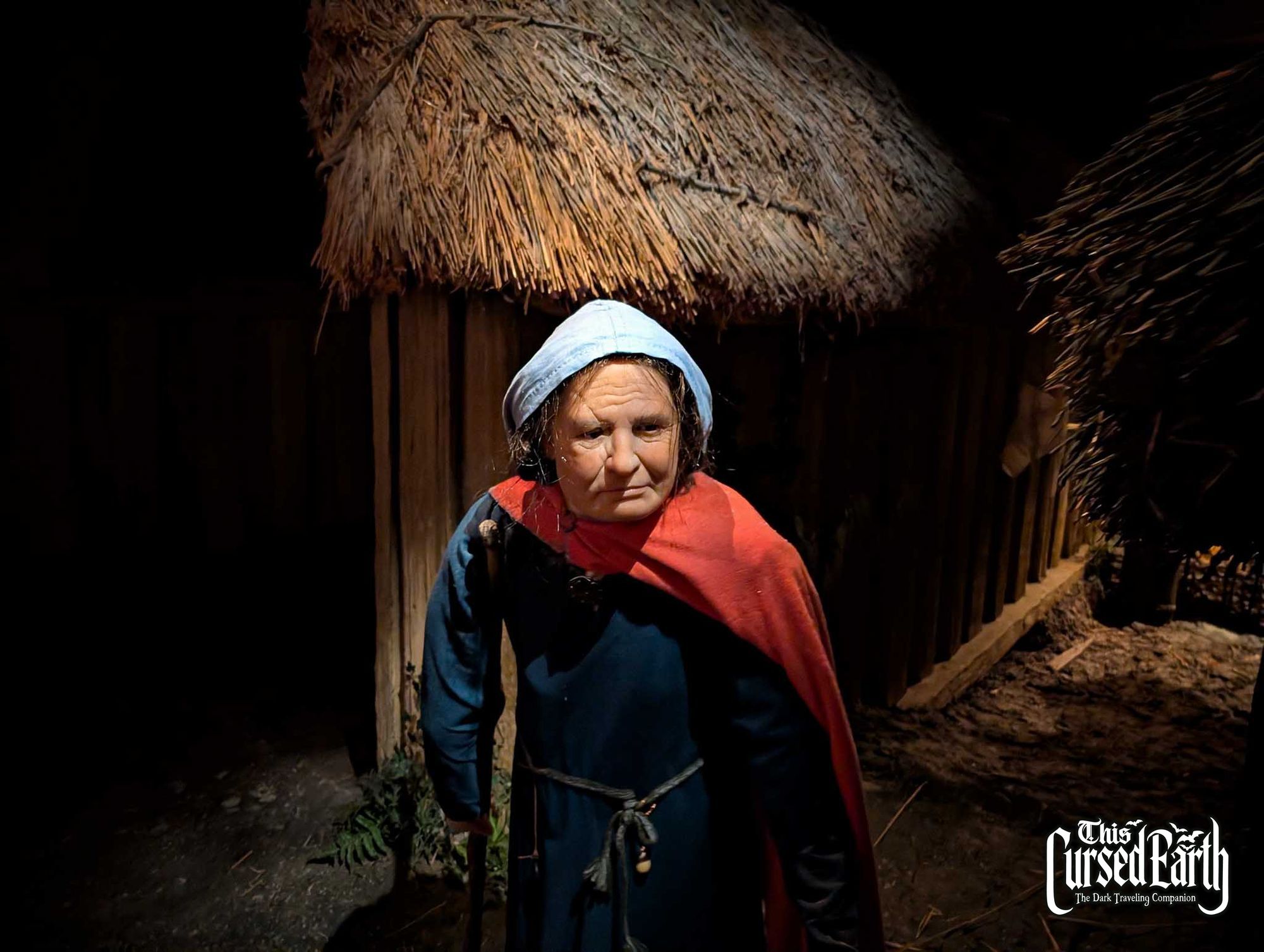
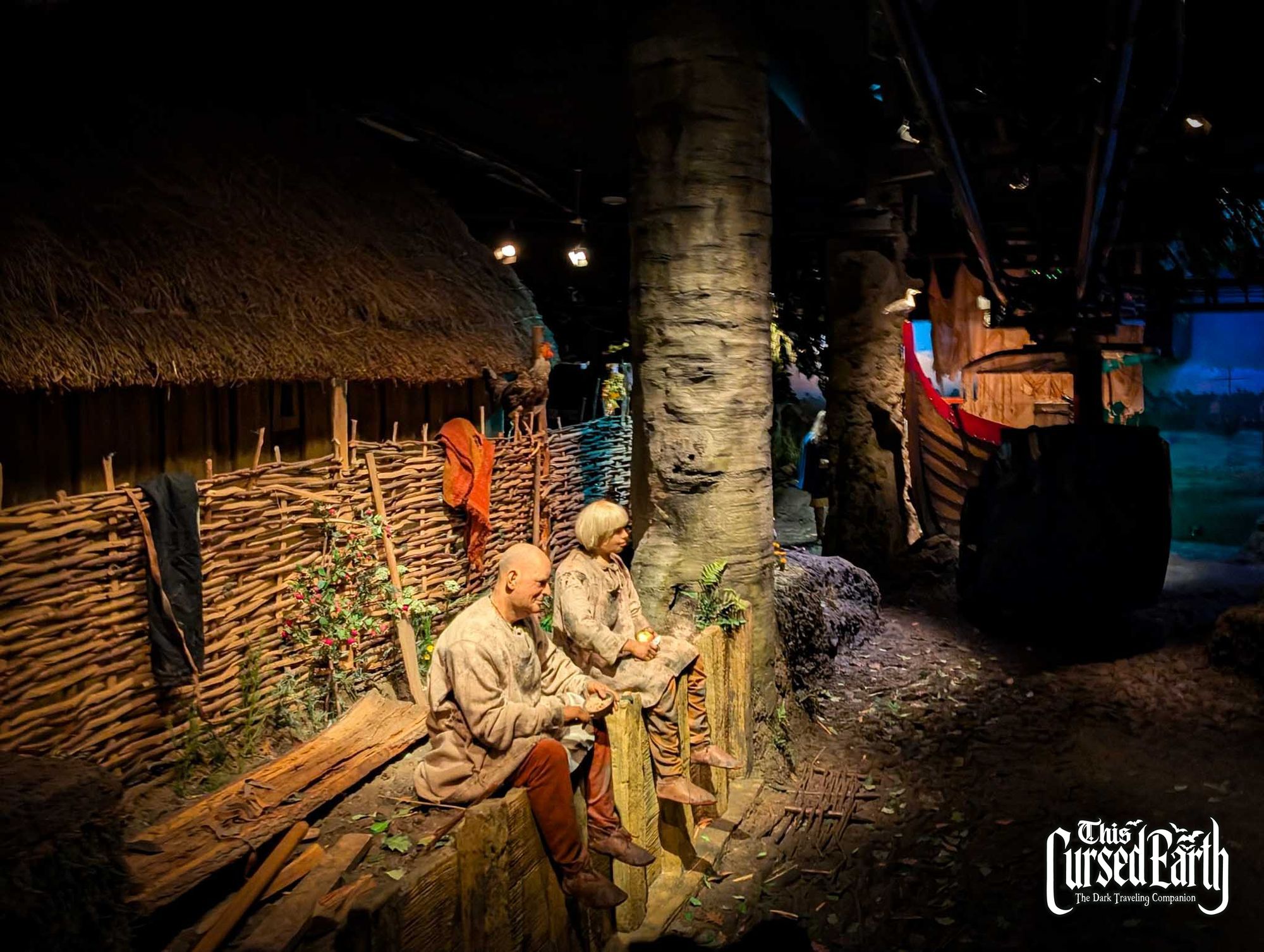
The current ride takes the reconstructed city to around AD 960, only a few years after the famously violent Norwegian ruler Erik Bloodaxe had been driven from York. Visitors travel past houses, workshops and backyards populated by animatronic inhabitants whose clothing, occupations and surroundings are based on evidence recovered at Coppergate. Blacksmiths work, traders conduct business, animals occupy the yards and people go about the less glamorous business of simply surviving in a crowded medieval town.
And JORVIK has never been afraid of the less glamorous parts. One of its most famous features is the smell. Specially created scents reproduce smoke, cooking, metalworking, damp wood, fish and the contents of Viking cesspits. The idea can sound slightly gimmicky until you remember that archaeology at Coppergate genuinely revealed what was being thrown into those pits. Researchers found food waste, animal remains, insects, human parasites and preserved faeces. If you are going to reconstruct Viking York properly, apparently you have to reconstruct the toilet as well.
The undisputed celebrity of this side of the collection is the Lloyds Bank Coprolite. Despite the impressive name, it is essentially a large piece of human faeces deposited by somebody in Viking York more than a thousand years ago. It was discovered during an earlier excavation beneath the nearby Lloyds Bank site and is now displayed at JORVIK. Analysis revealed that its unfortunate owner had intestinal parasites, including whipworm and maw-worm, while traces of food provided information about the person's diet.
It has become one of the strangest famous archaeological objects in Britain. Jewellery and weapons may look better in photographs, but a preserved bowel movement can tell researchers things those objects cannot. Other waste deposits around Coppergate contained charred bread, hundreds of fruit stones, fish bones, feathers and even preserved dog faeces. Archaeology occasionally involves rather more than carefully brushing dirt from ancient swords.
The human remains are more direct still. Three Viking Age skeletons are displayed in the museum, with modern scientific analysis used to examine where these people may have come from, how they lived and what happened to their bodies during life. Bones can preserve evidence of injuries, disease, nutritional problems and physical strain, providing a reminder that the reconstructed figures on the ride represent a population whose lives could be physically demanding and considerably shorter than those of most people visiting them today.
This is also what makes JORVIK useful for cutting through the popular image of the Viking as a permanently armed raider standing dramatically on the bow of a longship. The people at Coppergate were craftspeople, merchants, children, labourers and householders. They repaired shoes, carved antler, prepared food, became sick, suffered from worms and threw rubbish into their backyards. Some undoubtedly participated in the violent world of Viking expansion, but most of everyday life involved rather more mundane problems.
JORVIK has been rebuilt and updated several times since 1984, most dramatically after severe flooding in York in December 2015 forced the attraction to close. Water from the River Foss entered the building and caused extensive damage, although the archaeological remains and artefacts were protected. After a major reconstruction, JORVIK reopened in April 2017 with new figures, updated archaeological interpretations and an expanded collection display.
That combination of real archaeology and deliberate theatricality is what makes the place unusual. The people on the ride are reconstructions, the voices are recorded and somebody in the modern world has been paid to decide what a Viking cesspit should smell like. Beneath all of that, however, are the actual remains of the houses and workshops that inspired it.
Location: Located in the heart of York, near the Coppergate Shopping Centre.
Address: Coppergate, York YO1 9WT, United Kingdom
Category: museum, viking
Tags: Jorvik, York, Vikingmuseum, vikings, archaeology, Coppergate
Darkness Level: ☠ ☠ ☠ ☠ ☠
Homepage: jorvikvikingcentre.co.uk
Map: Open in Google Maps
Gallery