Fredriksten Fortress
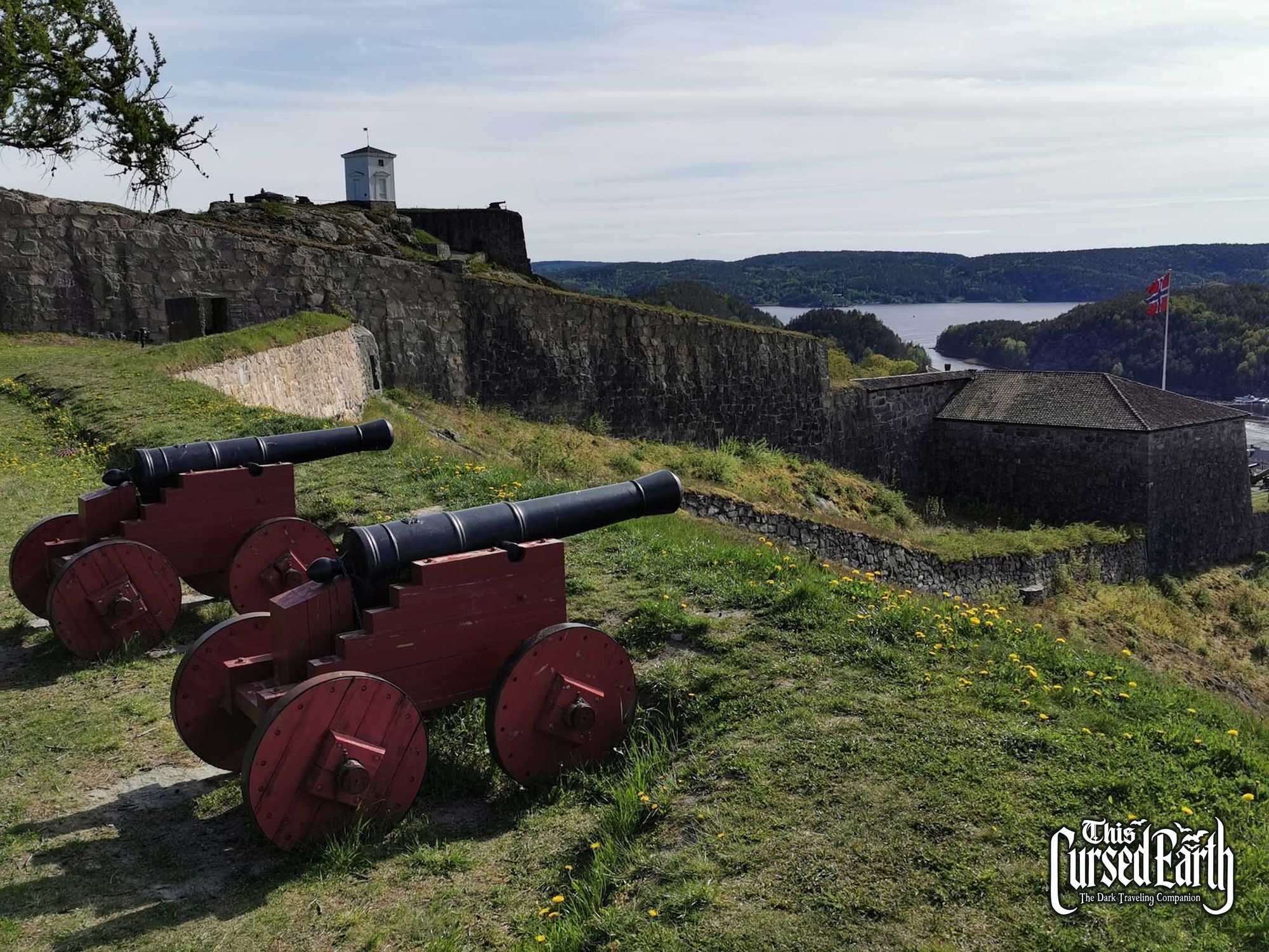
A major border fortress above Halden, repeatedly attacked by Swedish forces but never captured in battle, best known as the place where King Charles XII of Sweden was shot through the head and killed during the siege of 1718.
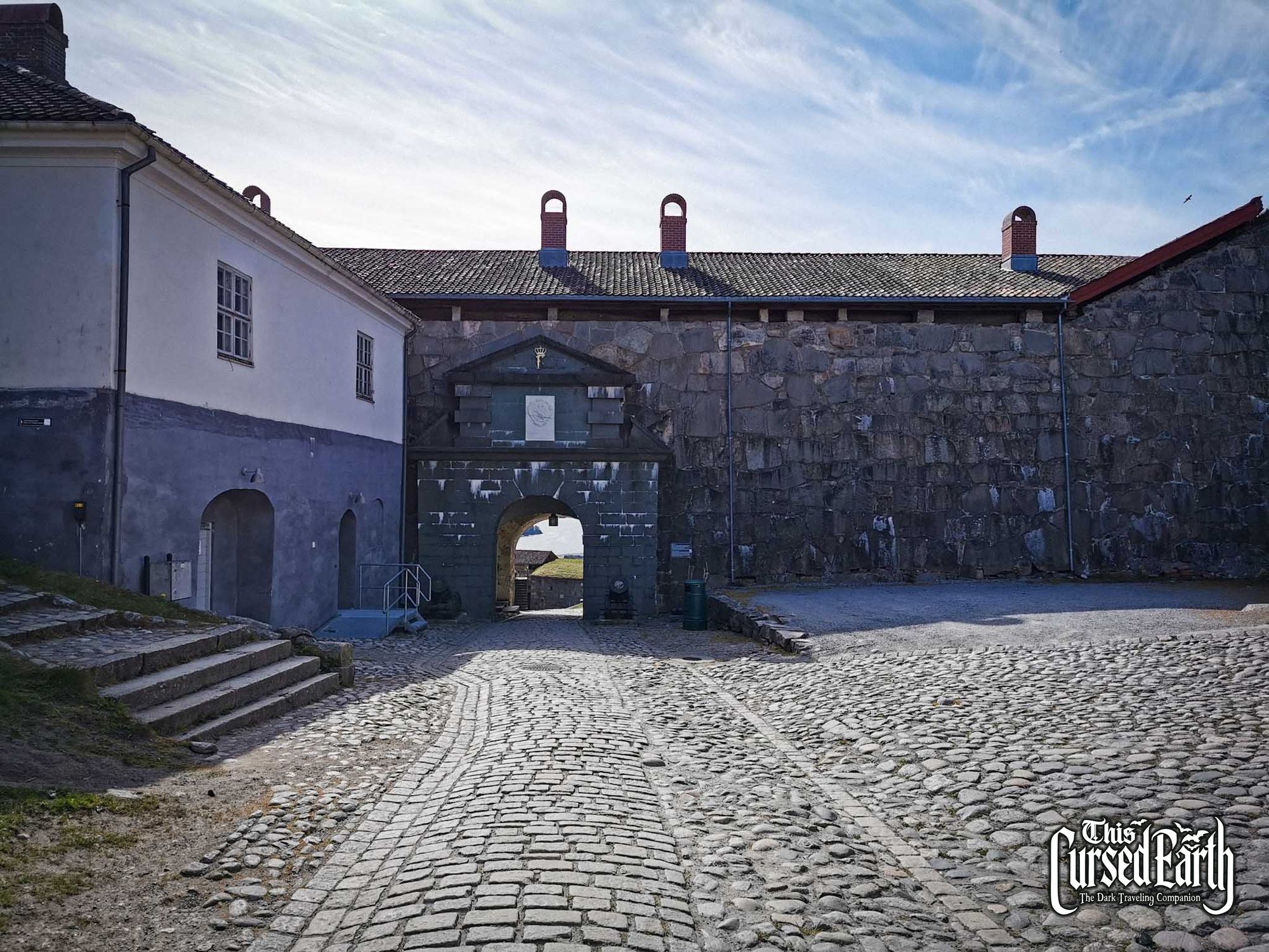
Fredriksten Fortress is a large historic fortress overlooking Halden in south-eastern Norway. Construction began in 1661, three years after Denmark-Norway was forced to surrender Bohuslän and the strategically important Bohus Fortress to Sweden under the Treaty of Roskilde. The loss moved the Swedish border considerably closer to Halden and created a need for a new permanent defensive position controlling one of the principal routes into south-eastern Norway. The fortress was named after King Frederik III of Denmark-Norway.
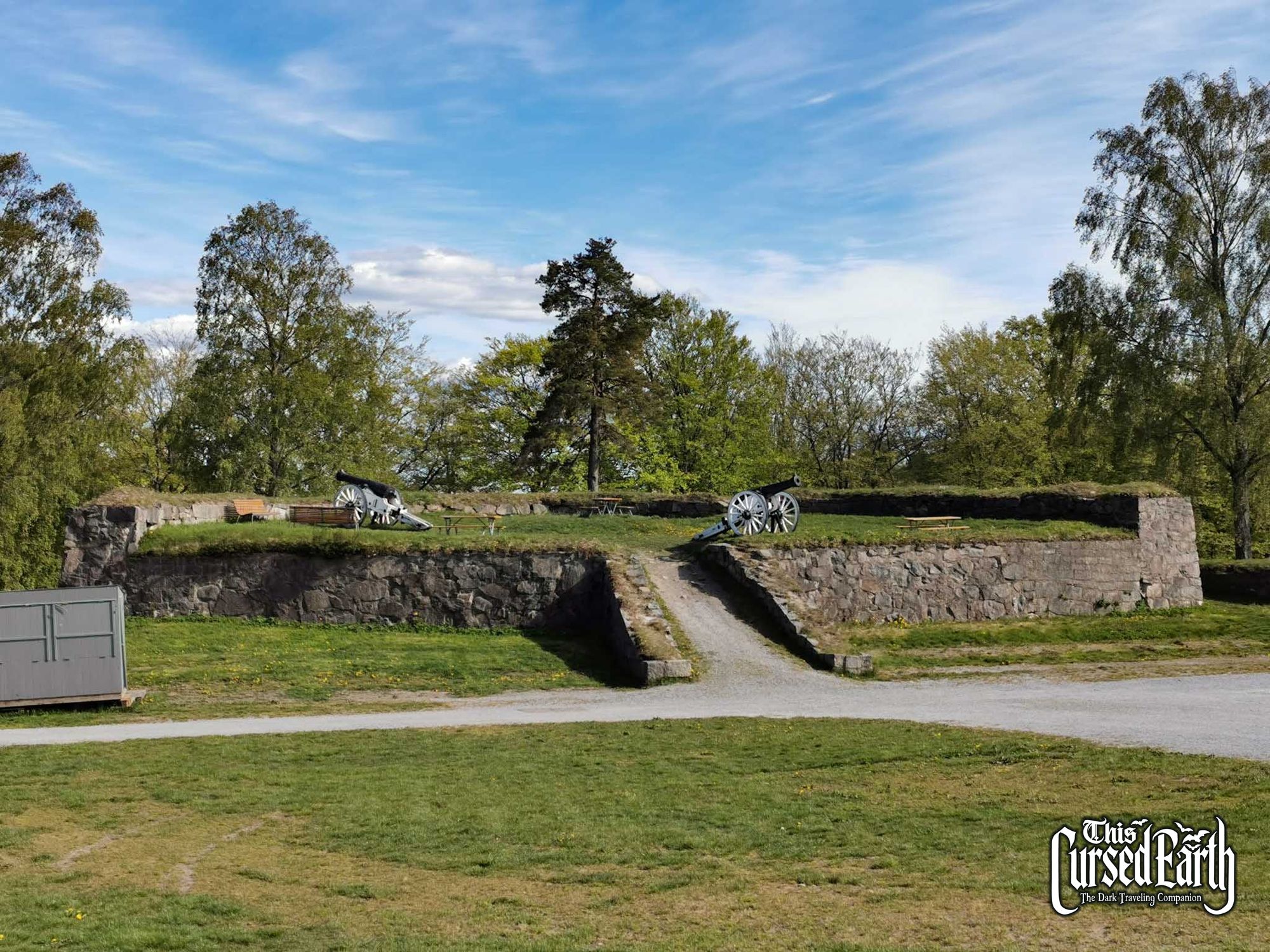
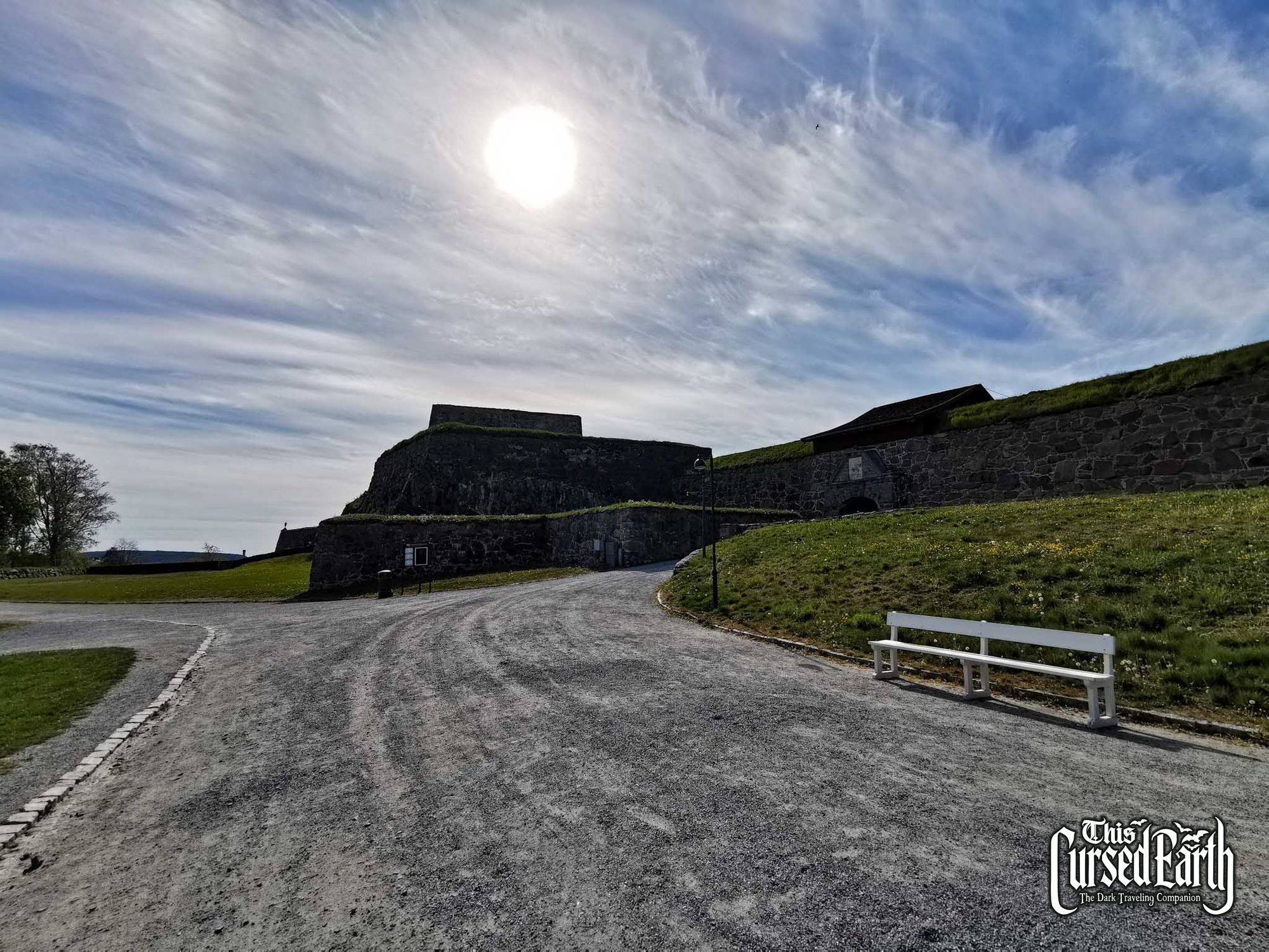
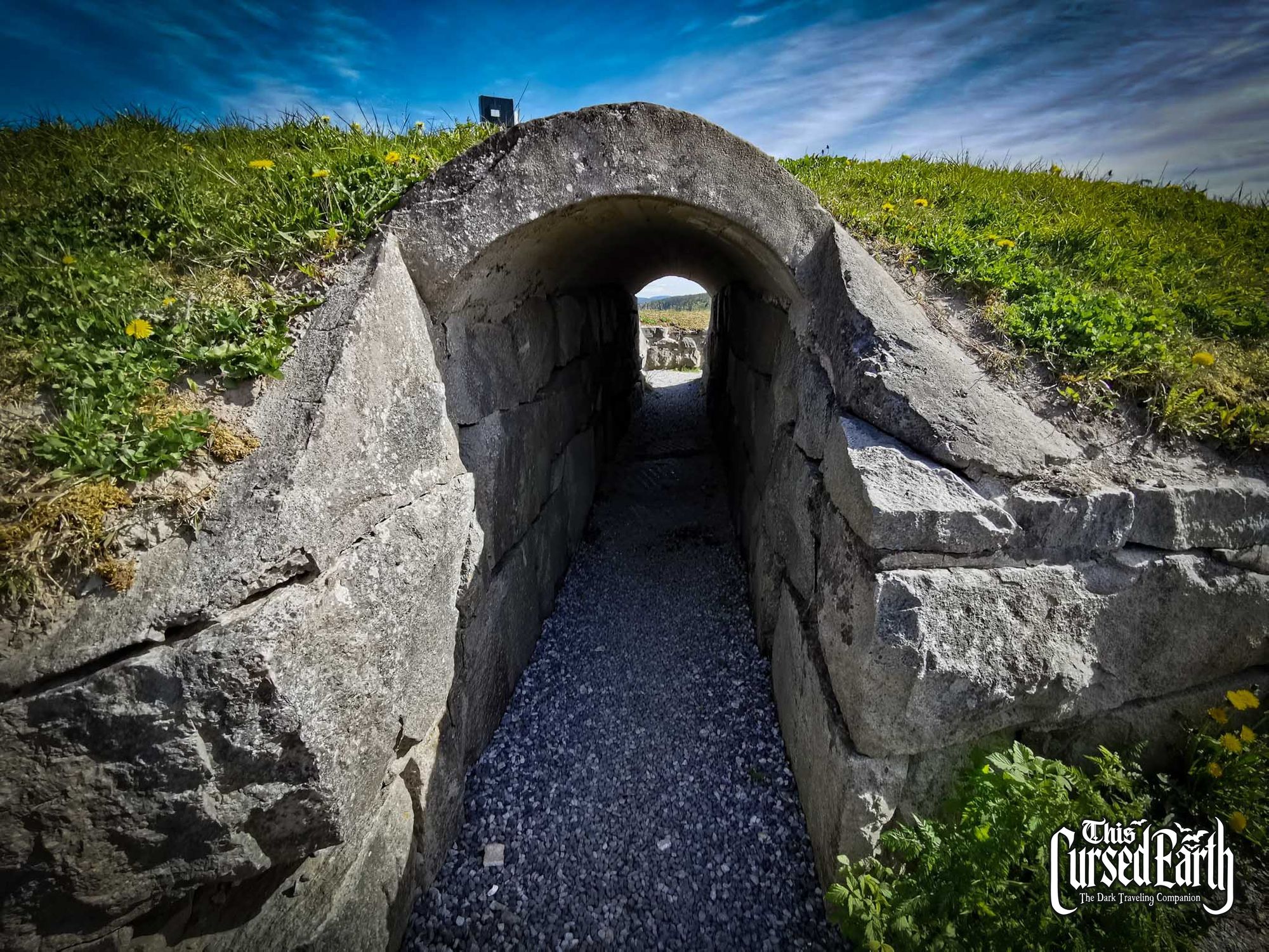
The complex developed around a central citadel supported by several detached defensive works, particularly Gyldenløve, Stortårnet and Overberget. Bastions, artillery positions, powder magazines, barracks, casemates and extensive stone walls were constructed across the steep terrain. Together with the earlier defensive positions around Halden, the area was attacked during six Swedish campaigns. Despite repeated sieges and bombardments, Fredriksten itself was never captured in battle.
One of the most destructive attacks occurred during the Great Northern War in 1716. King Charles XII of Sweden invaded Norway and succeeded in occupying much of Halden, then known as Fredrikshald. Norwegian defenders withdrew towards Fredriksten, while inhabitants deliberately set fire to their own town to prevent the Swedish army from using its buildings and supplies. The destruction forced Charles to abandon his attempt to take the fortress. The incident later entered the Norwegian national narrative and is referenced in the national anthem Ja, vi elsker dette landet.
Charles XII returned in 1718 with a much larger invasion force and began a systematic siege of Fredriksten. Swedish troops captured the detached Gyldenløve Fort on 8 December and dug a network of trenches towards the main fortress while under repeated Norwegian artillery fire. By 11 December, the forward Swedish positions had advanced to approximately 170 metres from the main defences.
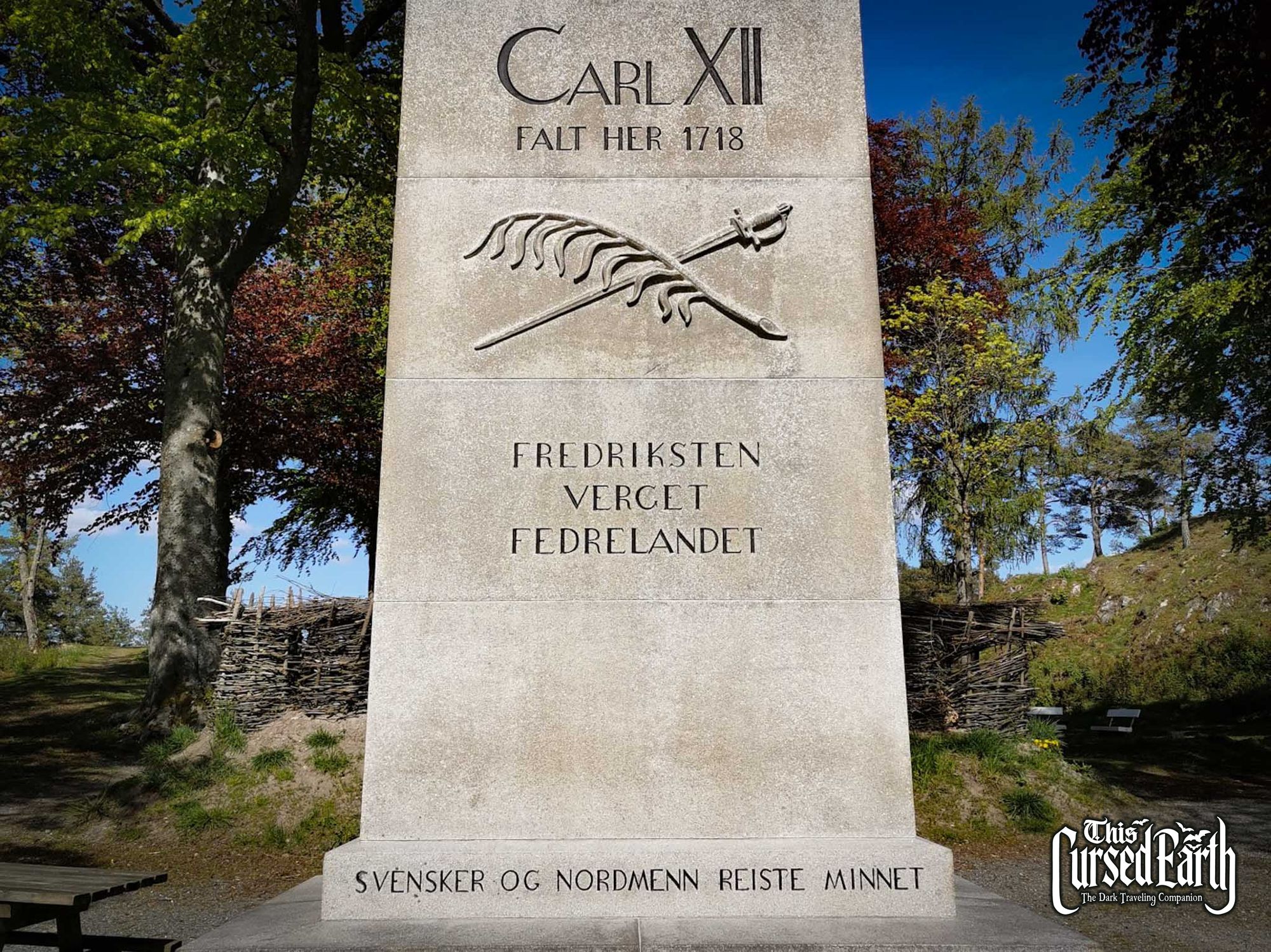
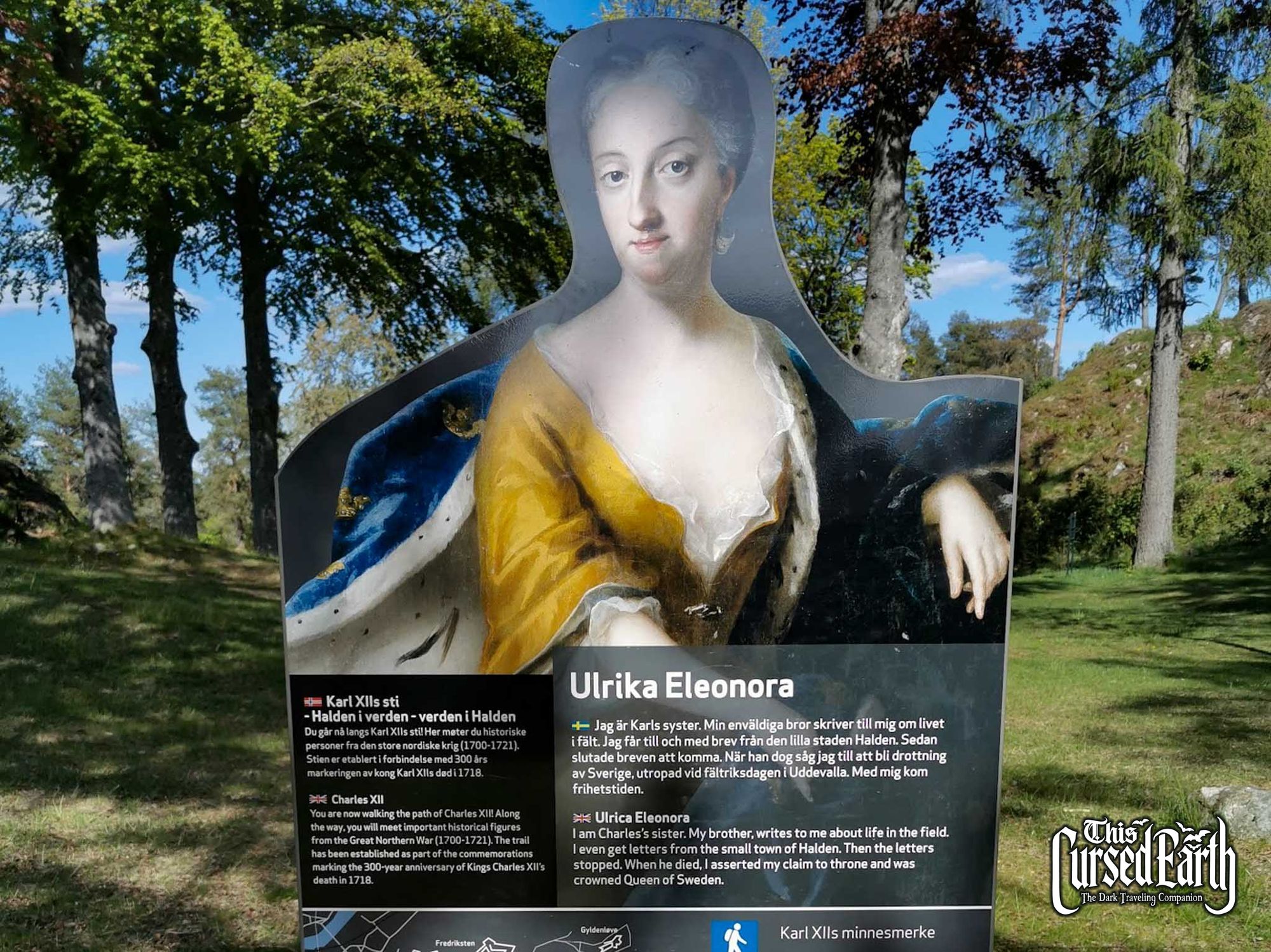
On the evening of 11 December 1718, Charles XII entered the forward trenches to inspect the siege works. While looking over the edge of a trench towards Fredriksten, he was struck in the head by a projectile that entered one temple and passed through his skull, killing him instantly. His body was initially carried away discreetly in an attempt to prevent panic among the troops, but news of his death quickly spread. The Swedish commanders abandoned the siege the following day and ordered a withdrawal from Norway.
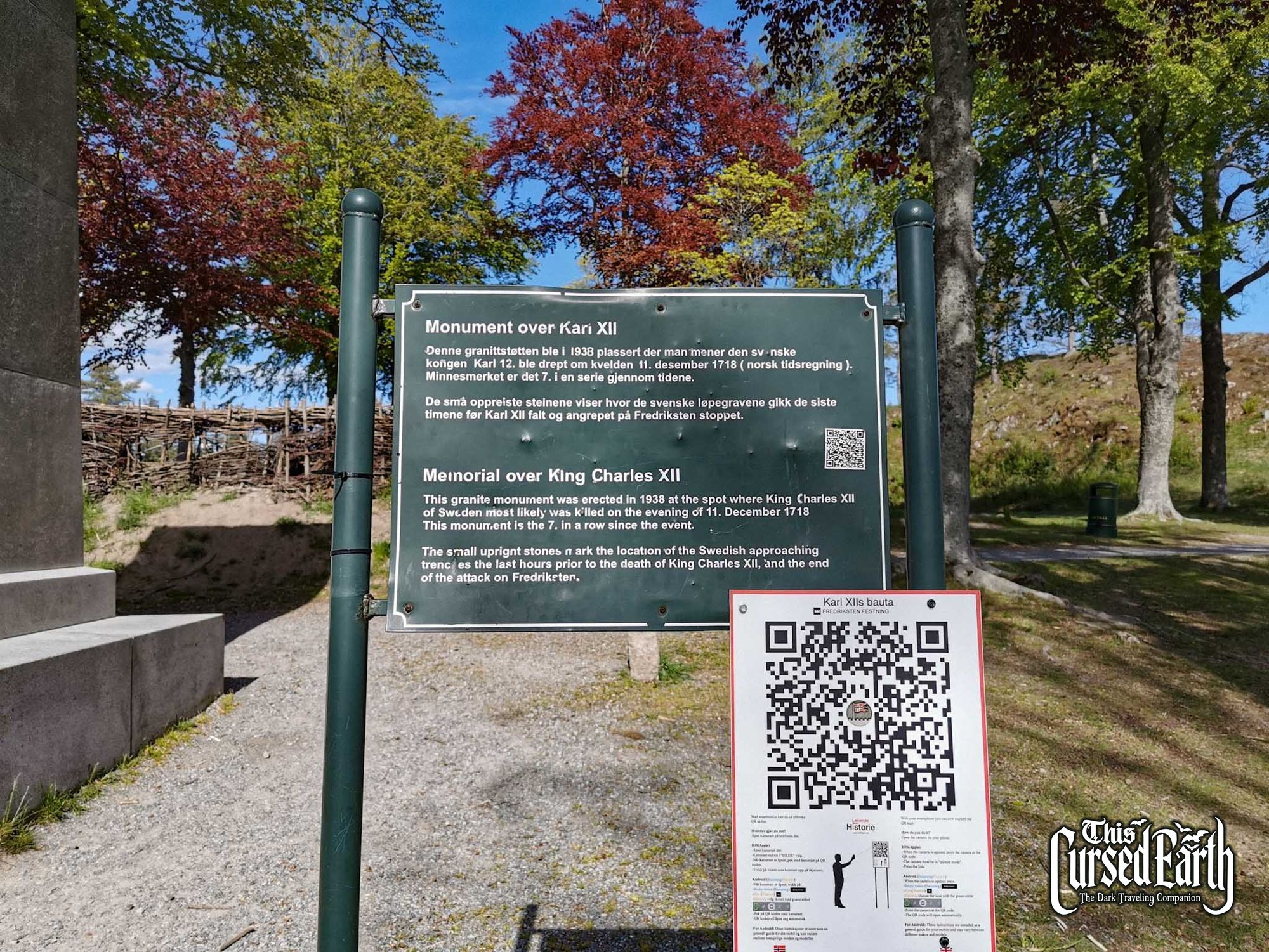
Exactly who fired the projectile that killed Charles XII has been debated for more than three centuries. Theories have included a Norwegian musket shot, grapeshot or other material fired from the fortress, and deliberate assassination by someone within the Swedish army. Modern ballistic and topographical studies have weakened the assassination theory, and the most likely explanation is that he was struck by iron shot or fragments fired from a Norwegian cannon, possibly from Overberget. The identity of the individual responsible can no longer be established. A monument near the siege trenches marks the area where the Swedish king was killed.
Fredriksten again came under Swedish siege during the Norwegian-Swedish War of 1814. Swedish forces bombarded Halden and surrounded the fortress, but commander Johan Andreas Cornelius Ohme refused to surrender. Fredriksten remained unconquered when the fighting ended through the Convention of Moss. Under the resulting agreement, the fortress was temporarily handed over to Swedish forces without having been defeated. Norwegian forces took control again in 1815.
The fortress gradually lost its strategic importance after Norway entered a union with Sweden. It nevertheless remained a powerful national symbol, particularly during the tensions surrounding the dissolution of that union in 1905. Under the Karlstad agreements, Fredriksten was formally removed from Norway’s operational system of border fortifications, and recently installed modern weapons were dismantled. The complex continued to be used for military schools, training and administrative purposes.
During the German occupation of Norway from 1940 to 1945, Fredriksten was taken over by the occupying forces. Its position close to neutral Sweden made it useful for border control, and the Germans constructed additional defensive positions in and around the old fortress. It was also used as a military depot and training ground for the Nazi Våpenhirden. Parts of Fredriksten served as a prison, initially for prisoners of war and later for Norwegian resistance members.
Military use continued after the war, although Fredriksten no longer functioned as an operational fortress. The final military school at the site closed in 2005. Today the approximately 600,000-square-metre complex is protected as a national cultural monument and managed by Forsvarsbygg. Fredriksten Museum presents the military history of Halden and the fortress, while the fortifications, casemates, detached forts and areas associated with the sieges remain accessible throughout much of the site.
Location: On a rocky ridge immediately above the centre of Halden, close to the Swedish border.
Address: Generalveien 6, 1776 Halden, Norway
Category: fortress, museum
Tags: border fortress, siege, battlefield, Great Northern War, Charles XII, royal death, artillery, prison, German occupation, World War II, Norwegian resistance
Darkness Level: ☠ ☠ ☠ ☠ ☠ ☠ ☠ ☠
Homepage: forsvarsbygg.no
Map: Open in Google Maps
Gallery