Eyam Museum
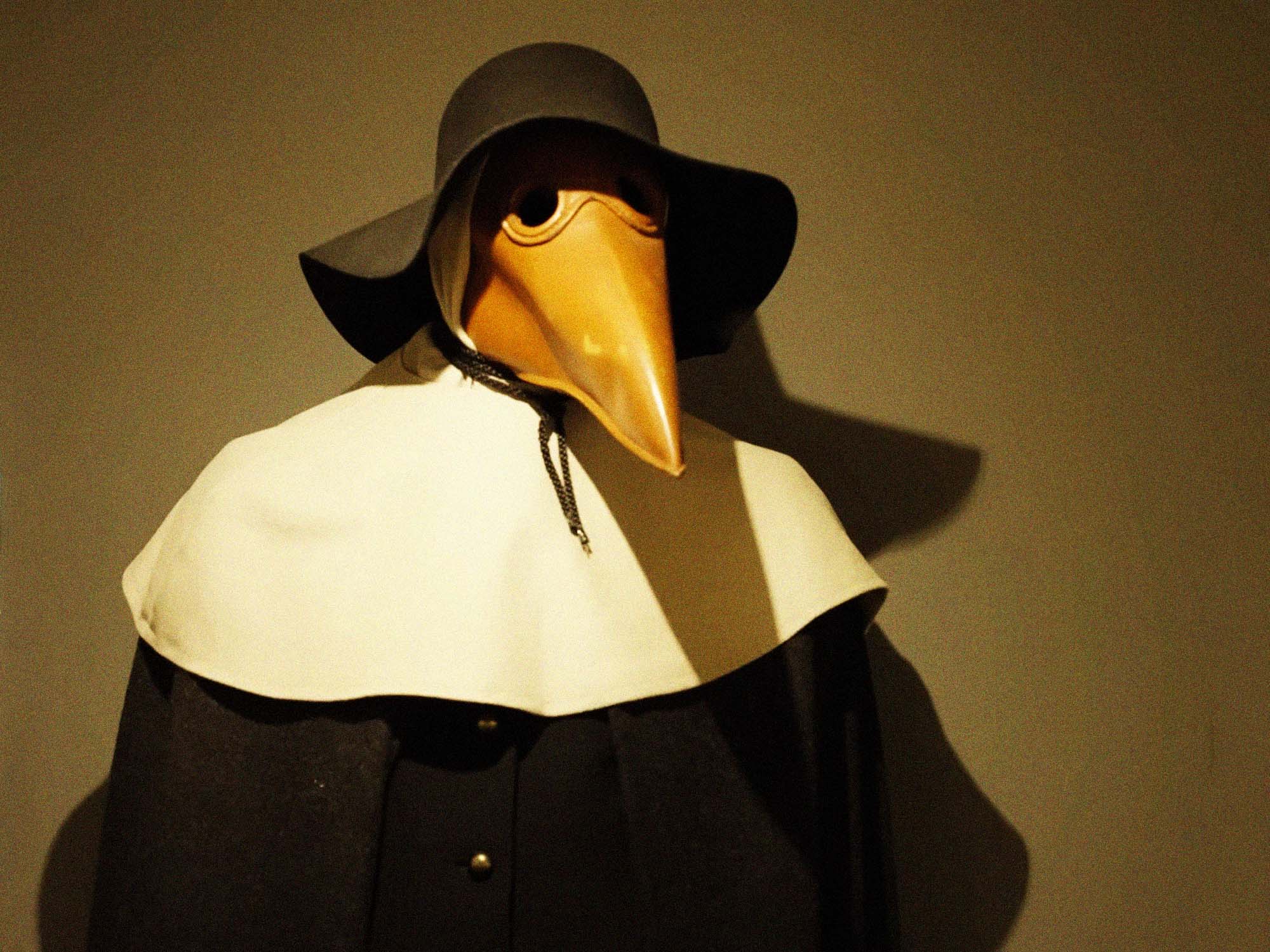
A local history museum in England’s famous “plague village”, documenting the 1665–1666 bubonic plague outbreak, the deaths of around 260 villagers and the decision to quarantine Eyam to prevent the disease spreading to surrounding communities.
Eyam Museum is a local history museum in the Derbyshire village of Eyam, best known for documenting the severe outbreak of bubonic plague that struck the village in 1665 and 1666. Eyam became one of the most famous plague communities in Britain because its inhabitants, under the leadership of rector William Mompesson and former rector Thomas Stanley, agreed to isolate themselves from neighbouring settlements rather than risk carrying the disease beyond the village.
The outbreak traditionally begins with a consignment of cloth sent from plague-stricken London to the village tailor, Alexander Hadfield. His assistant, George Viccars, unpacked the damp material and is regarded as the first victim of the Eyam outbreak, dying in September 1665. The museum illustrates this story with a three-dimensional display showing plague-carrying fleas emerging from the cloth, alongside information explaining the bacterium, transmission of bubonic plague and the history of plague epidemics from antiquity through the Black Death and into the 17th century.
The infection spread through Eyam for approximately fourteen months. The museum’s published chronological list records around 260 plague deaths, with the epidemic reaching its worst point during the summer of 1666. In August alone, 78 people died. Entire households were affected, and some families lost most or all of their members within days. Among the best-known cases is Elizabeth Hancock, who survived while her husband and six children died within eight days. She buried them herself in a field outside the village at the site now known as the Riley Graves.
By 1666, Mompesson and Stanley had introduced measures intended to reduce contact between households and prevent the infection from spreading outside Eyam. Families were required to bury their own dead, and church services were moved outdoors to Cucklett Delph, where worshippers could remain separated. Most significantly, the village accepted a quarantine boundary. Food and other supplies were left at designated points outside the settlement so that Eyam’s inhabitants could obtain necessities without direct contact with people from neighbouring communities.
The museum reconstructs these events through documents, models and life-sized displays. Facsimiles of the Eyam parish register, wills and other surviving 17th-century records identify individual victims rather than presenting the epidemic only through statistics. A household chart shows which families suffered plague deaths and how many were related to one another. Further displays explain the symptoms experienced by infected people and the remedies that 17th-century physicians and villagers believed might protect them or cure the disease.
One reconstructed scene depicts the final hours of a plague victim, while another recreates the study of the old rectory and includes some furniture from the period associated with the rectors. The exhibition also covers the work of people responsible for nursing the sick, cleansing infected houses and burying the dead. Mompesson himself remained in Eyam throughout the epidemic and lost his wife, Catherine Mompesson, to the plague on 25 August 1666.
The museum does not end the story when the final plague deaths occurred. Displays examine how Eyam recovered after the epidemic and how modern medicine understands Yersinia pestis, the bacterium responsible for plague. Material also considers why some people survived despite prolonged exposure and how plague continues to occur in parts of the world today. The museum’s plague collection includes documents and research concerning epidemics and infectious disease beyond Eyam itself.
Eyam Museum also covers the wider history of the village, including archaeology, geology and industries such as lead mining, cotton, flax, silk and shoemaking. The collection contains local minerals, fossils, archaeological finds, mining equipment, photographs and documents. A large model illustrates the workings of an early-19th-century Derbyshire lead mine.
The museum developed from the private collection of lifelong Eyam resident Clarence Daniel, who collected fossils, minerals, archaeological objects and documents relating to the village. After his death in 1987, the collection was left to the Eyam Village Society. Eyam Museum Limited was established in 1989, and volunteers catalogued the material while searching for a permanent home. The museum opened to the public on 23 April 1994 in a former Methodist chapel on Hawkhill Road, where it remains today.
Location: On Hawkhill Road in the village of Eyam, opposite the main village car park.
Address: Hawkhill Road, Eyam, Derbyshire S32 5QP, England
Category: museum
Tags: plague, bubonic plague, epidemic, quarantine, infectious disease, plague victims, William Mompesson, Thomas Stanley, George Viccars, public health, 17th century
Darkness Level: ☠ ☠ ☠ ☠ ☠ ☠ ☠ ☠ ☠
Homepage: eyam-museum.org.uk
Map: Open in Google Maps
Gallery