Chepstow Castle
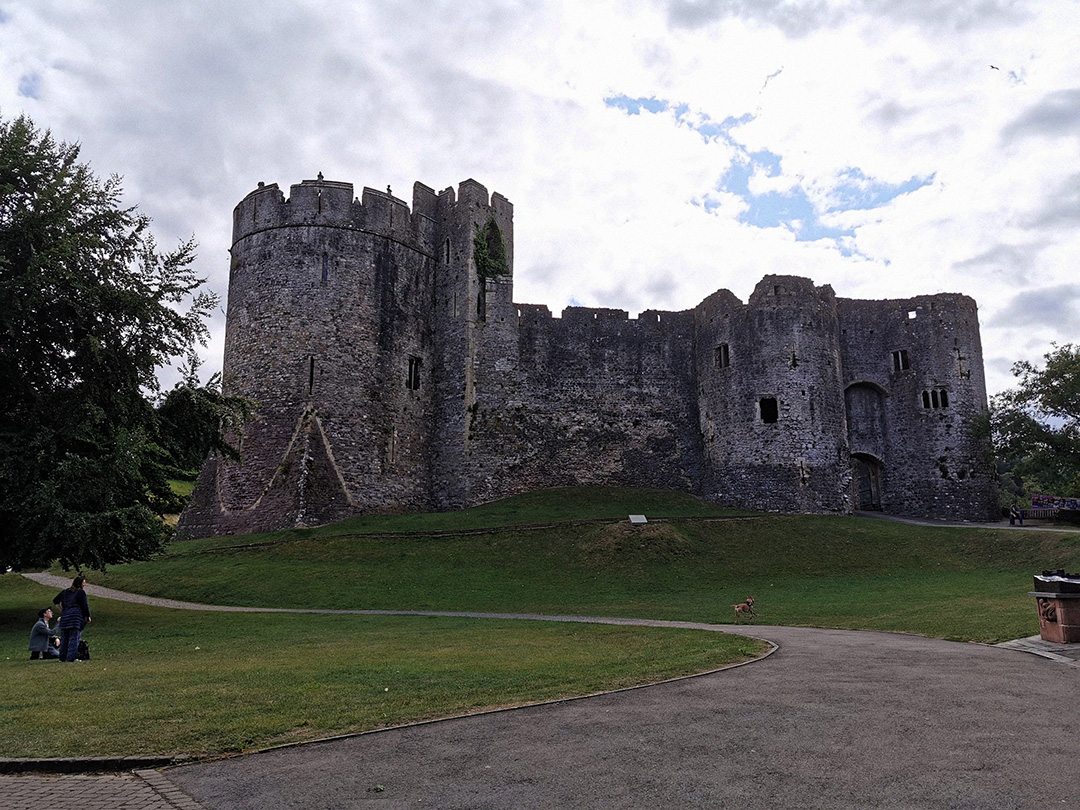
A vast Norman fortress overlooking the River Wye, marked by centuries of warfare, imprisonment, and control at the Welsh–English border.
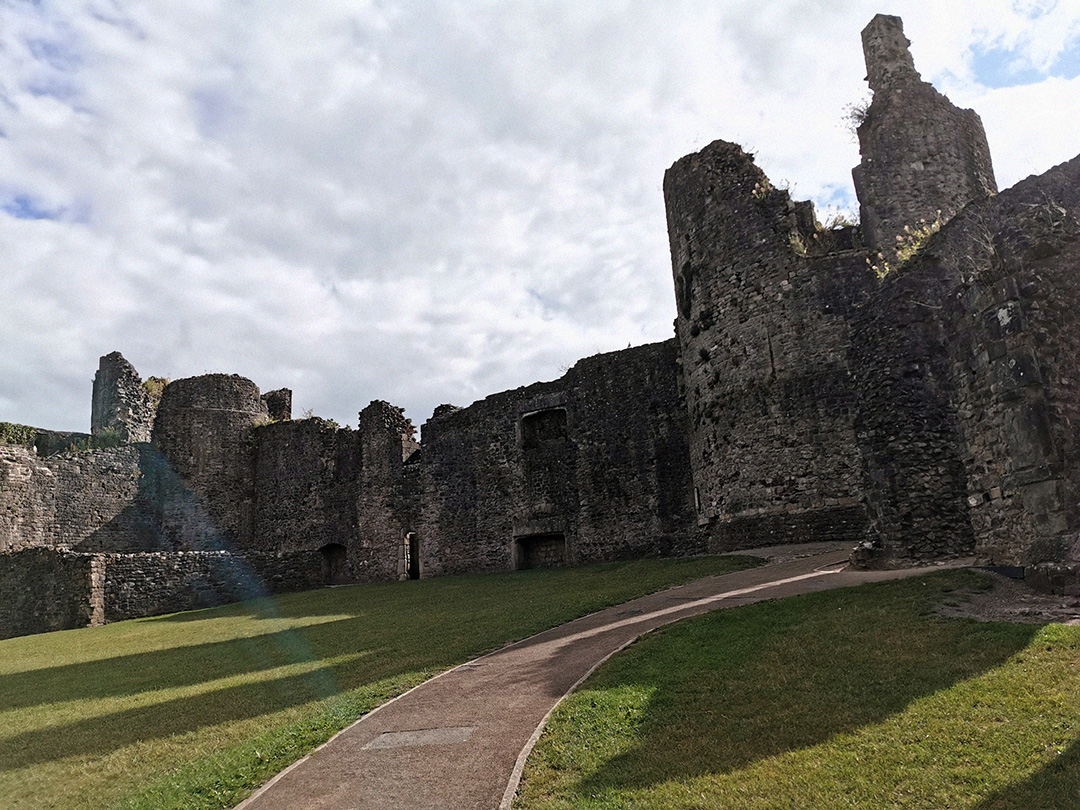
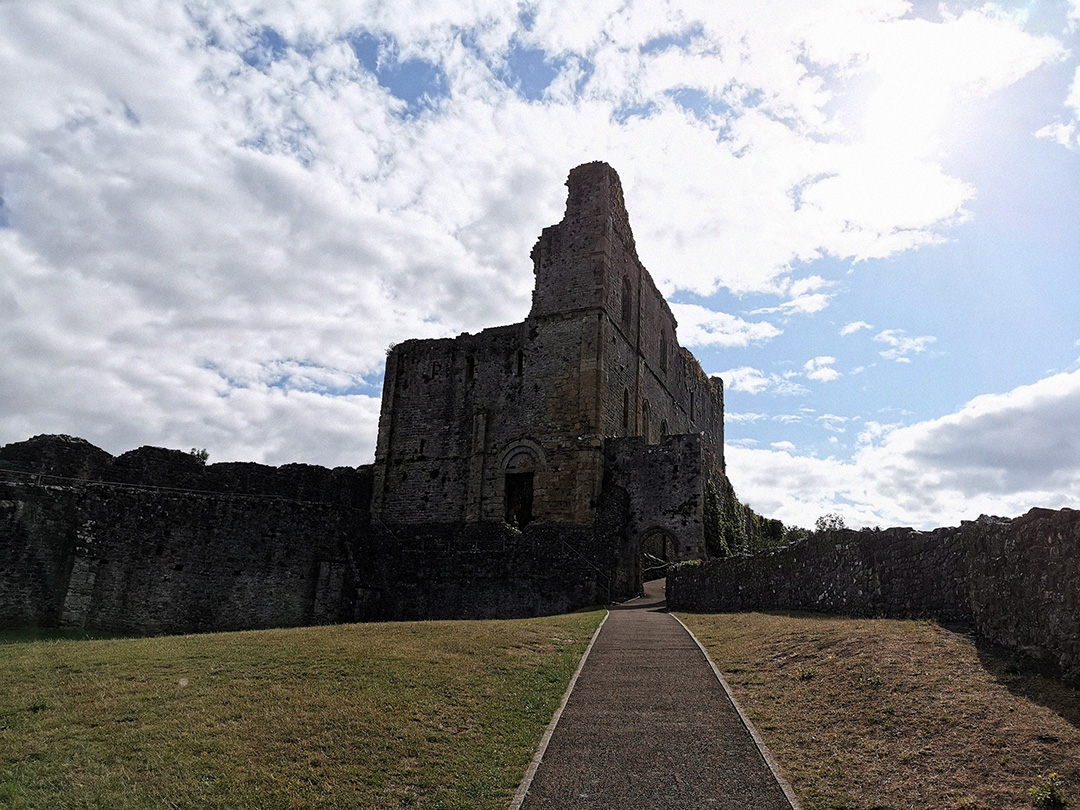
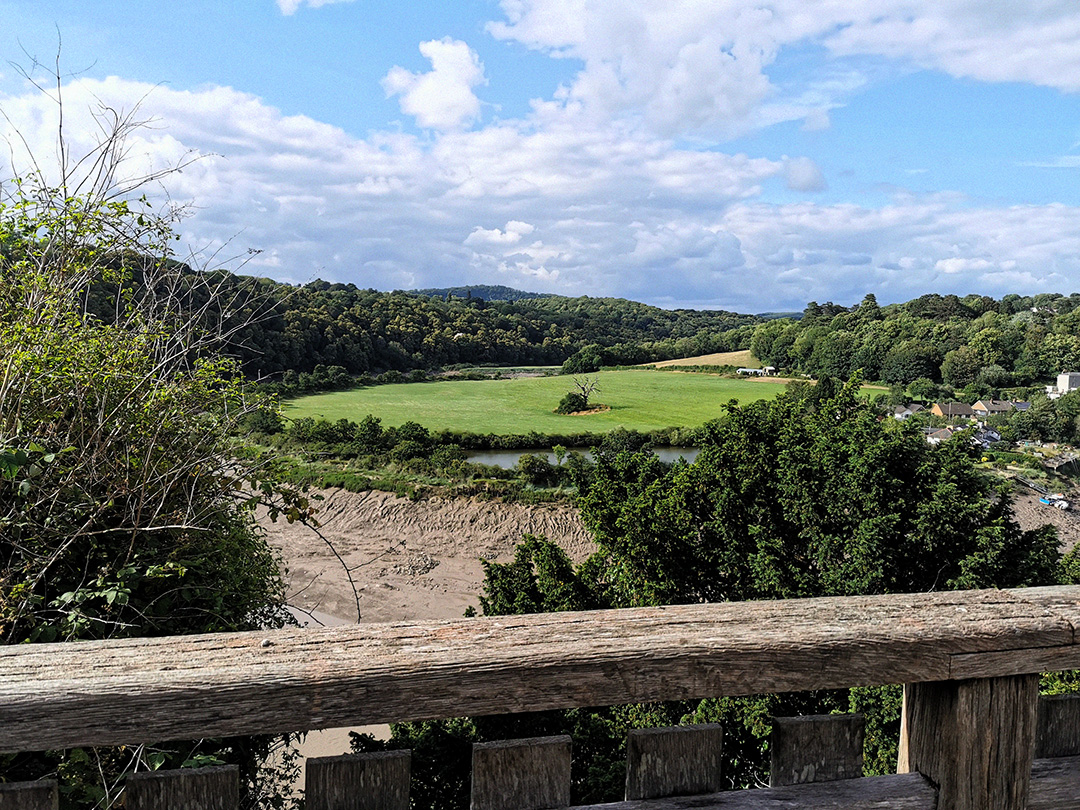
Chepstow Castle occupies a dramatic limestone cliff above the River Wye and is considered the oldest surviving stone castle in Britain. Construction began in 1067 under William fitzOsbern shortly after the Norman Conquest, establishing a powerful stronghold at a volatile frontier between England and Wales.
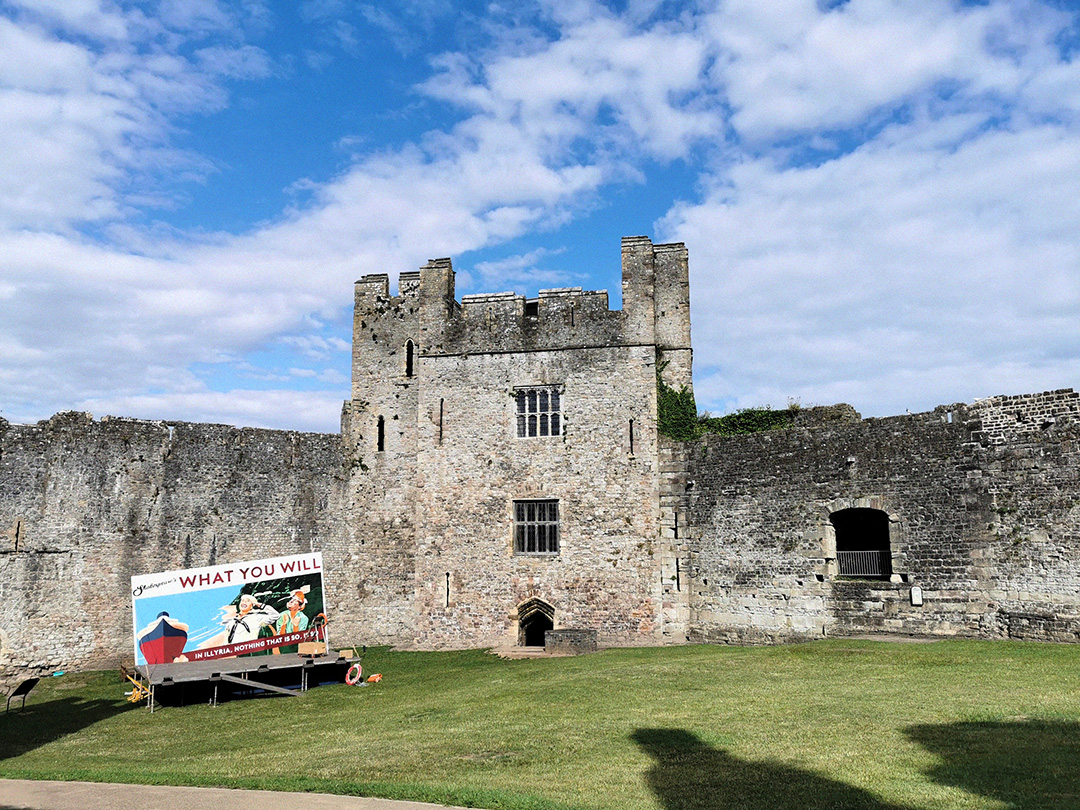
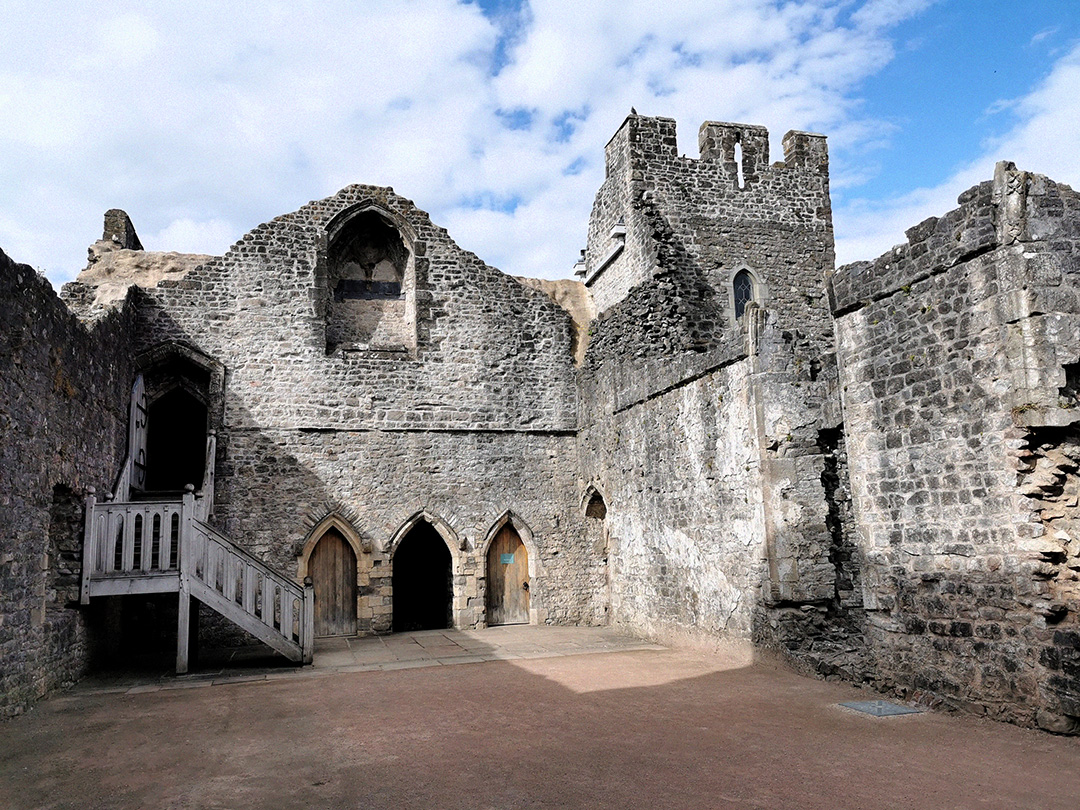
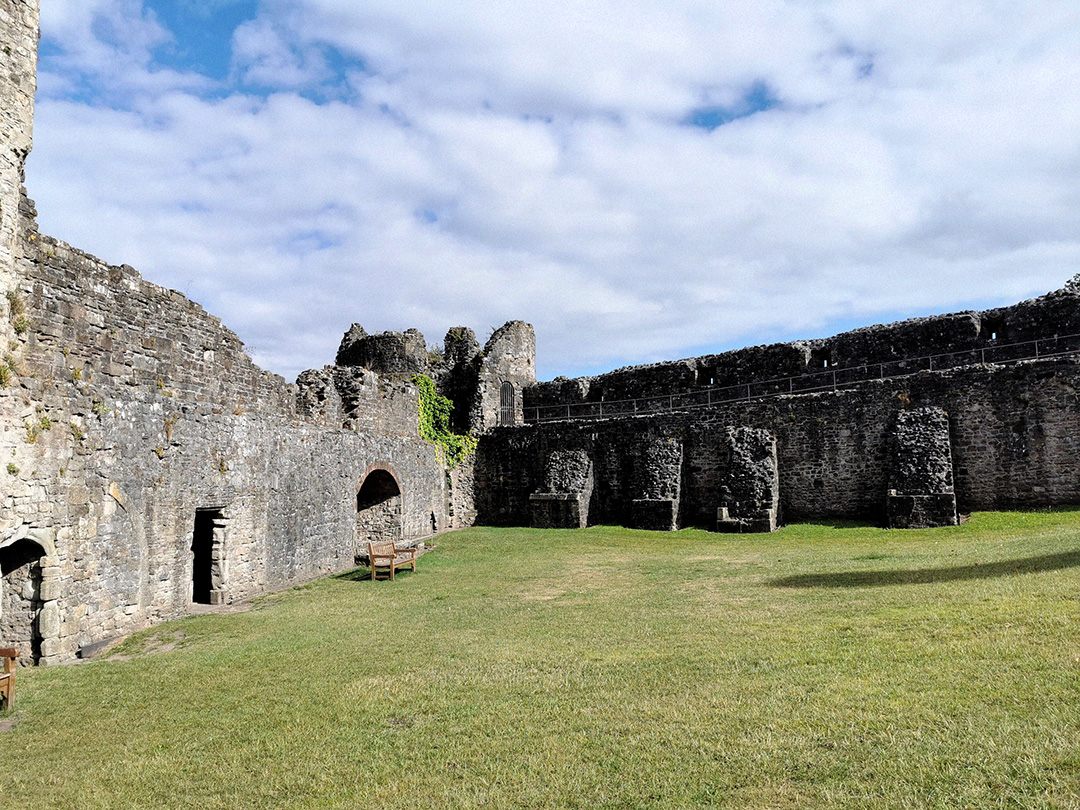
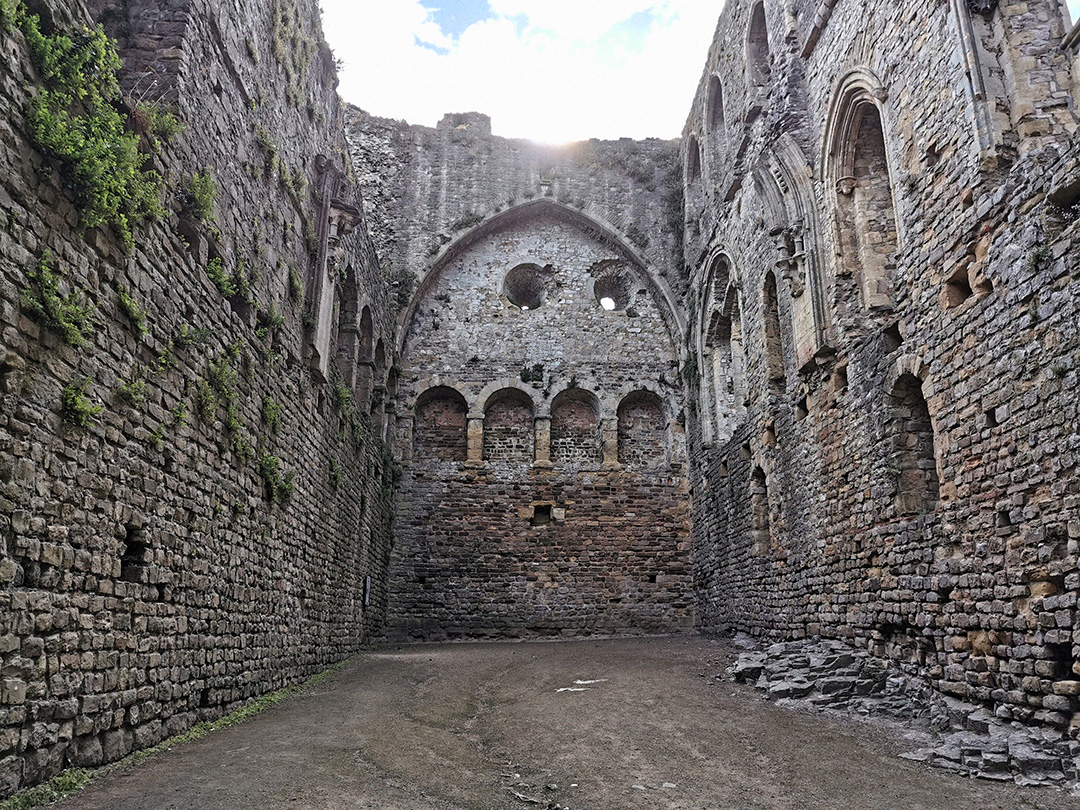
Over the following centuries, the castle was expanded repeatedly, reflecting shifting military needs and political tensions. Its long, linear layout follows the cliff edge, with successive baileys, towers, and gatehouses creating a fortress designed for endurance rather than comfort. Massive timber doors, some of the earliest surviving examples in Europe, still hang within its walls.
Chepstow also functioned as a place of confinement. Prisoners were held here during periods of rebellion and civil war, and the castle changed hands multiple times, particularly during the conflicts between Norman lords and Welsh princes. Even in ruin, the scale and severity of the structure communicate its original purpose: dominance, surveillance, and control over movement along the river below.
Location: On a limestone cliff above the River Wye, at the edge of Chepstow.
Address: Bridge St, Chepstow NP16 5EY, Wales, United Kingdom
Category: castle, fortress, medieval history
Tags: castle, Wales, Norman Conquest, River Wye, border fortress, medieval warfare, imprisonment
Darkness Level: ☠ ☠ ☠ ☠ ☠ ☠ ☠
Homepage: cadw.gov.wales
Map: Open in Google Maps
Gallery