Bran Castle
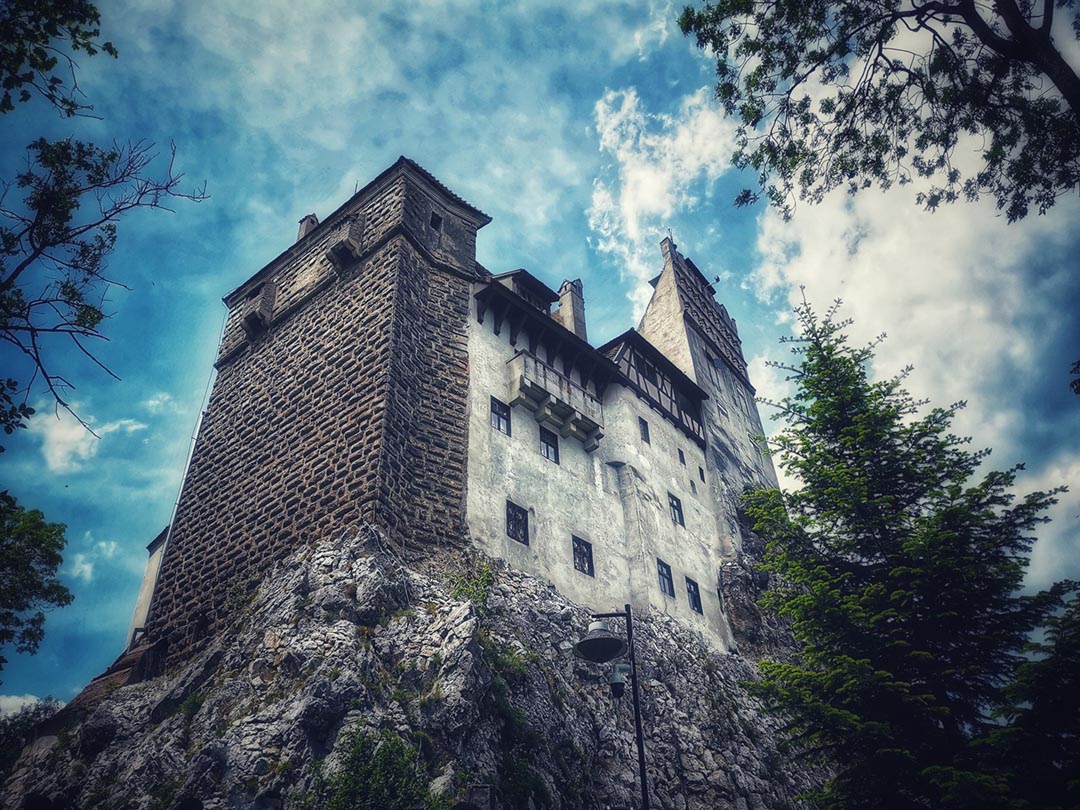
Bran Castle, often linked to the Dracula legend, is a medieval fortress in Romania, known for its eerie presence and historical significance.
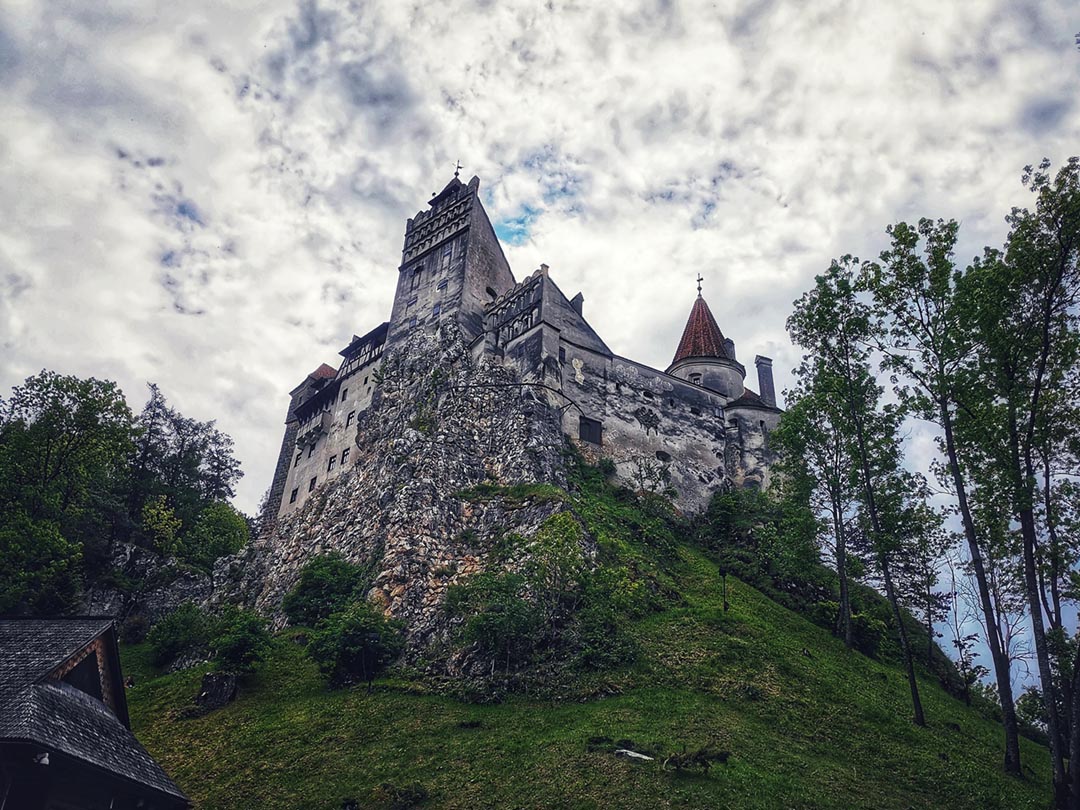
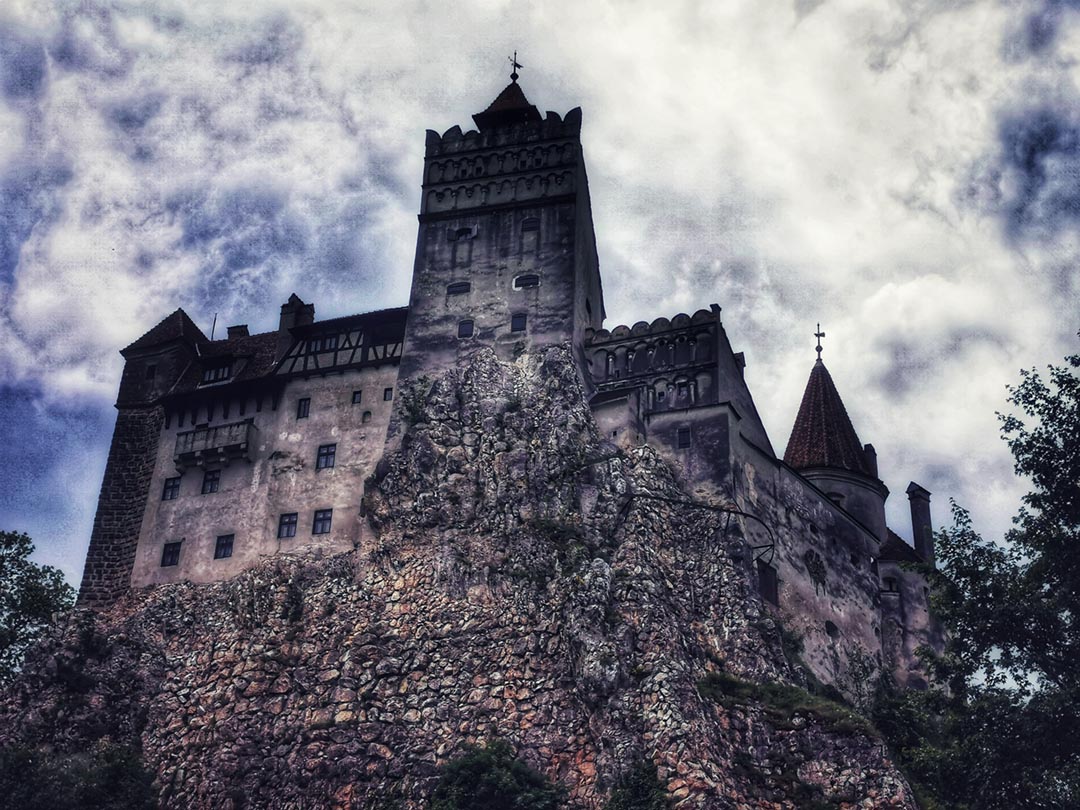
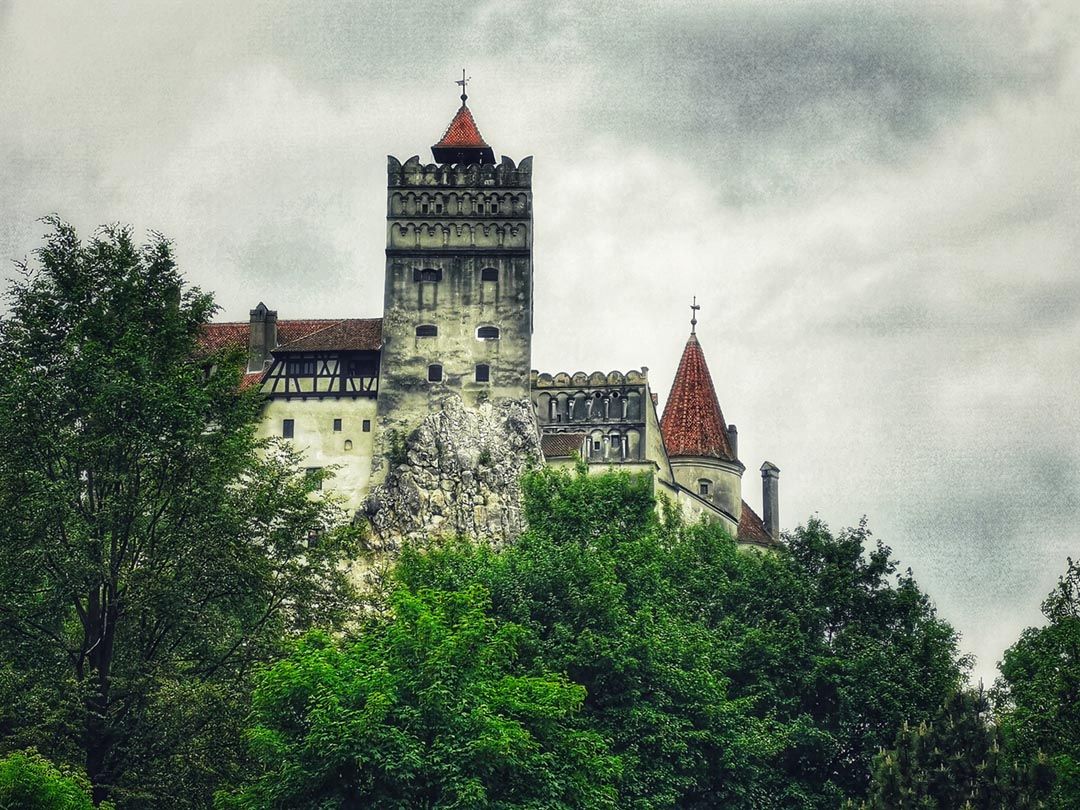
Perched on a steep rocky outcrop above the village of Bran in central Romania, Bran Castle is one of the most recognisable buildings in Transylvania. Its towers, narrow staircases and dramatic position above the old route between Transylvania and Wallachia have made it almost inseparable from the modern image of Dracula. The real history of the castle, however, has surprisingly little to do with vampires. Bran began life as a medieval border fortress and later served as a customs post, royal residence and museum, gathering several very different layers of history within the same walls.
The present stone fortress dates from the late 14th century. On 19 November 1377, King Louis I of Hungary granted the Saxons of Brașov permission to build a castle at Bran using their own labour and resources. Construction was largely completed by 1388. Its position was carefully chosen: the narrow Bran Pass was an important route through the Carpathians between Transylvania and Wallachia, making it valuable both militarily and economically. From the castle, soldiers could watch the route below, while merchants passing through the region were required to pay customs duties.
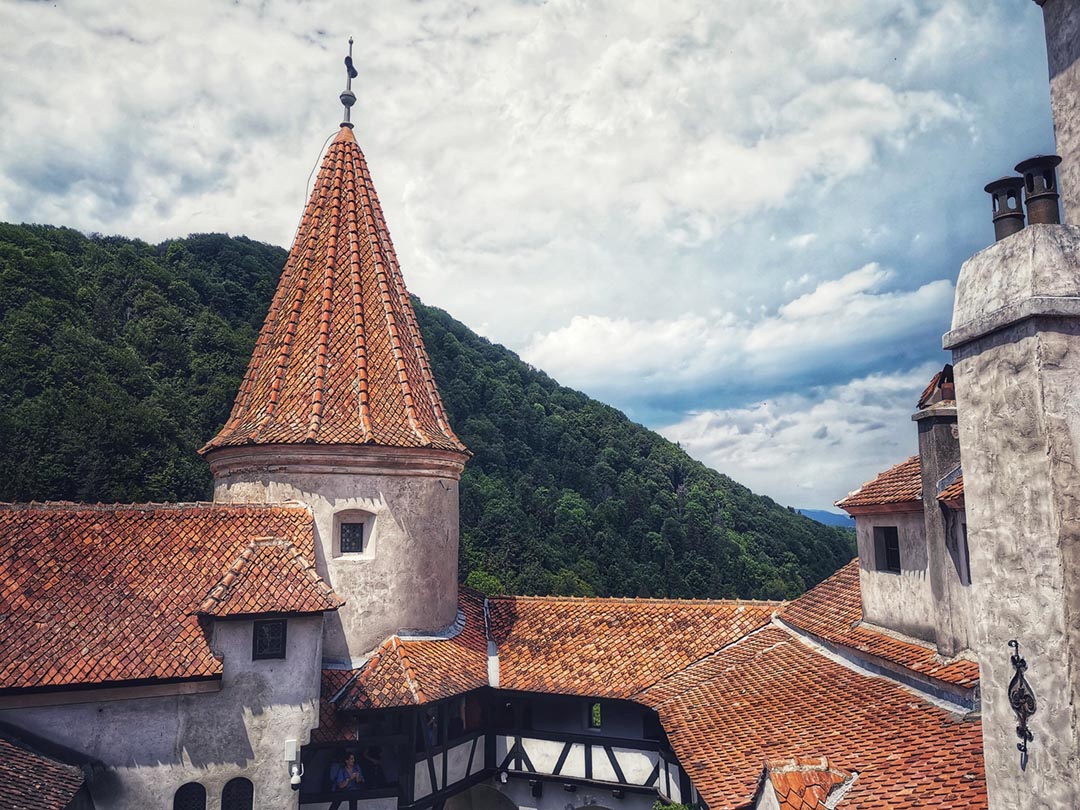
Bran remained strategically important for centuries and was involved in the long struggle to defend Transylvania against attacks from the south, including Ottoman incursions. The fortress changed hands and administrative control several times, but remained closely connected with the city of Brașov. Its thick walls, towers and irregular arrangement reflect its origins as a practical defensive structure rather than the romantic Gothic residence it is sometimes imagined to have been. Inside, rooms are stacked around a small central courtyard and connected by narrow passages and steep staircases, giving the building the maze-like quality that has helped its later reputation considerably.
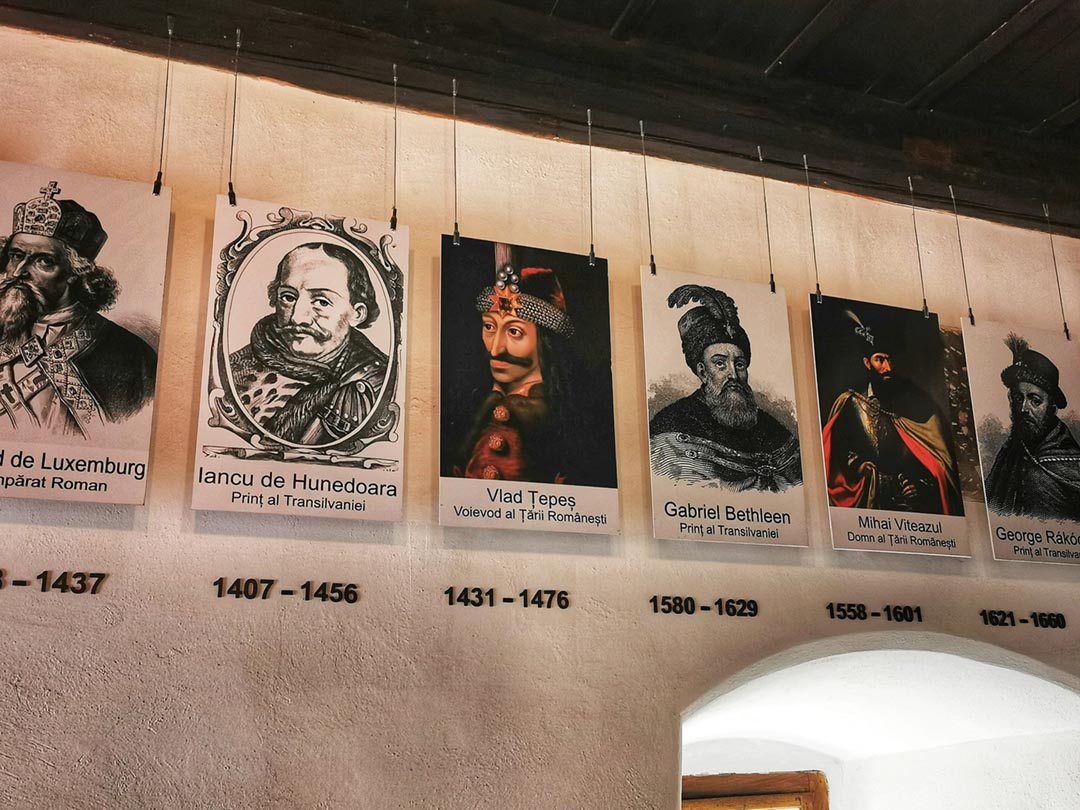
The man most commonly associated with Bran Castle is Vlad III of Wallachia, better known as Vlad the Impaler or Vlad Țepeș, or just simply Dracula. His brutal methods of punishment helped turn him into one of the most notorious rulers of 15th-century southeastern Europe, and his name has since become closely linked with Bram Stoker's Count Dracula. Yet there is no evidence that Vlad ever lived at Bran Castle, and his connection with the fortress appears to have been minor. He travelled through the region during his military campaigns, but Bran was not his home. Even the often-repeated story that he was imprisoned inside the castle is now generally regarded as a bit of a fairytale.
The connection with Bram Stoker is even more curious. Stoker published Dracula in 1897 but never visited Romania, and there is no evidence that he knew Bran Castle existed. His description of Count Dracula's ruined stronghold high in the Carpathians does not closely resemble Bran either. The association developed much later, helped by the castle's location in Transylvania and by its wonderfully convenient collection of towers, stone walls and shadowy passages. Over time, Bran became the physical image of “Dracula's Castle” for countless visitors, despite having almost no direct connection with either Stoker or his fictional count.
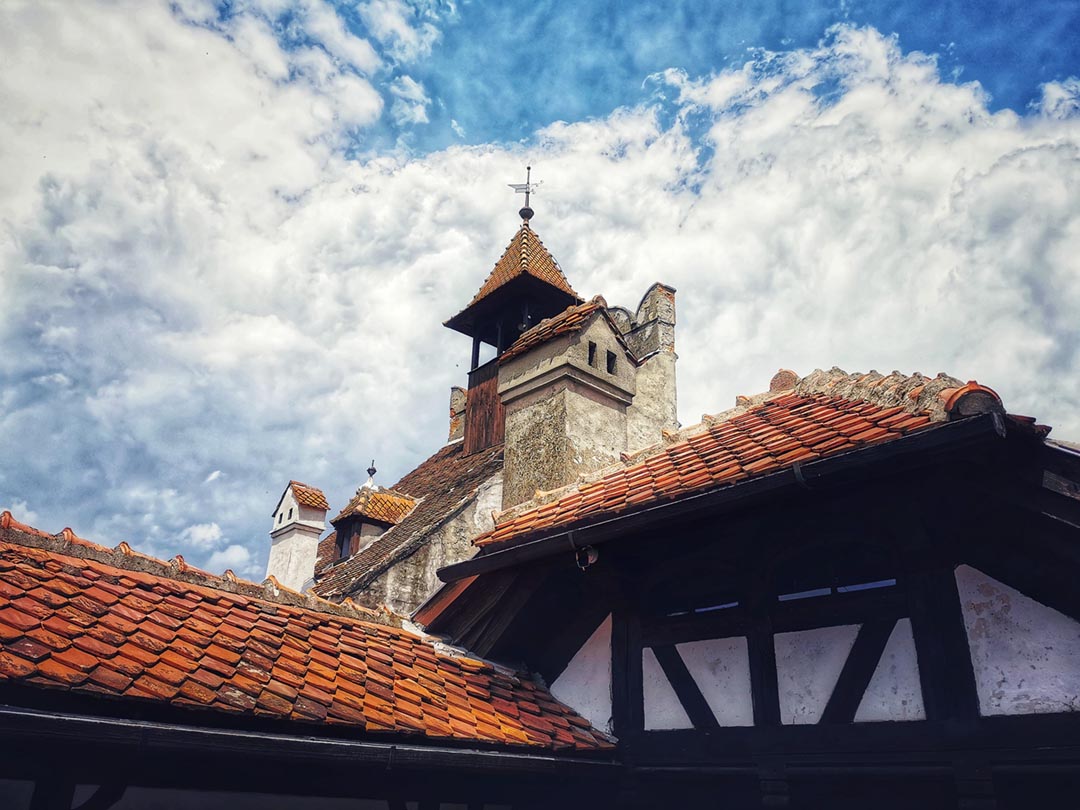
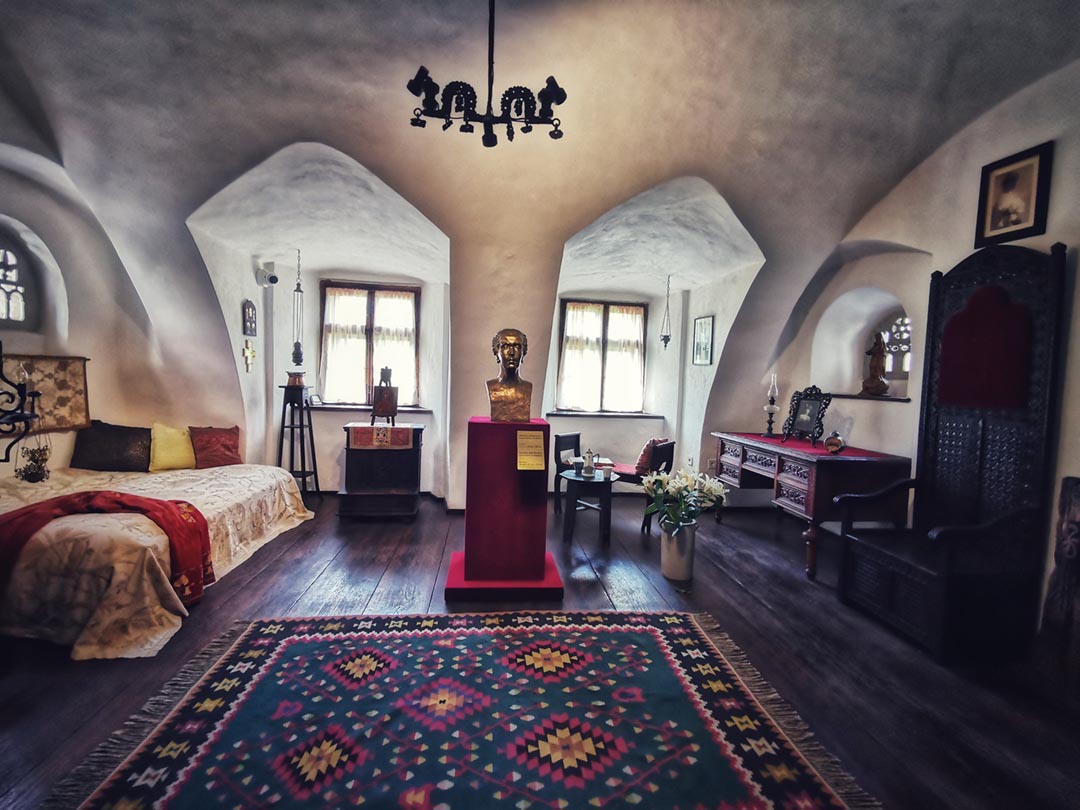
Another major chapter began in 1920, when the city of Brașov presented the castle to Queen Marie of Romania. Bran had lost much of its military importance by this point, and Marie transformed the rather austere fortress into a royal residence. Working with Czech architect Karel Zdeněk Líman, she created more comfortable living spaces while retaining much of the castle's medieval character. Rooms were furnished with carved wooden furniture, Romanian textiles, ceramics, religious icons and pieces from the royal collections. The castle became one of Marie's favourite retreats and remained closely associated with the Romanian royal family after her death in 1938.
Bran then passed to Marie's daughter, Princess Ileana. During the Second World War, Ileana established a hospital near the castle for wounded soldiers and personally worked there as a nurse. That chapter ended abruptly after the communist takeover of Romania. In 1948 the royal family was forced into exile and Bran Castle was nationalised. It was eventually opened as a museum in 1956, beginning its transformation from private royal residence into one of Romania's best-known historic attractions. After the fall of communism, ownership was eventually restored to descendants of Princess Ileana in 2006, although the castle continued to operate as a museum.
Today the interior reflects several periods at once. Medieval defensive architecture sits alongside rooms associated with Queen Marie and the Romanian royal family, while other displays explore the folklore surrounding vampires, Vlad the Impaler and the enormous cultural afterlife of Dracula. One of the castle's more memorable features is a narrow hidden staircase discovered during renovations in the royal period, concealed behind what had appeared to be a fireplace and linking different levels of the building.
Bran Castle therefore occupies a strange position between history and fiction. It was never Count Dracula's home, Vlad the Impaler almost certainly never lived there, and Bram Stoker probably knew nothing about it. Yet few places have become so completely attached to a legend. The irony is that Bran does not really need Dracula to be interesting: a medieval fortress guarding a mountain pass, centuries of conflict and trade, a royal residence reshaped by one of Romania's most famous queens, wartime history and decades under communist rule provide more than enough stories of their own. The vampire simply refuses to leave.
Location: Bran Castle is located near the town of Bran, in the Transylvania region of Romania.
Address: Strada General Traian Moșoiu 24, Bran 507025, Romania
Category: castle, historical site, vampires
Tags: Dracula, Vlad the Impaler, medieval history, vampire legend
Darkness Level: ☠ ☠ ☠ ☠ ☠ ☠ ☠ ☠ ☠
Homepage: bran-castle.com
Map: Open in Google Maps
Gallery