Blomsholm Stone Ship
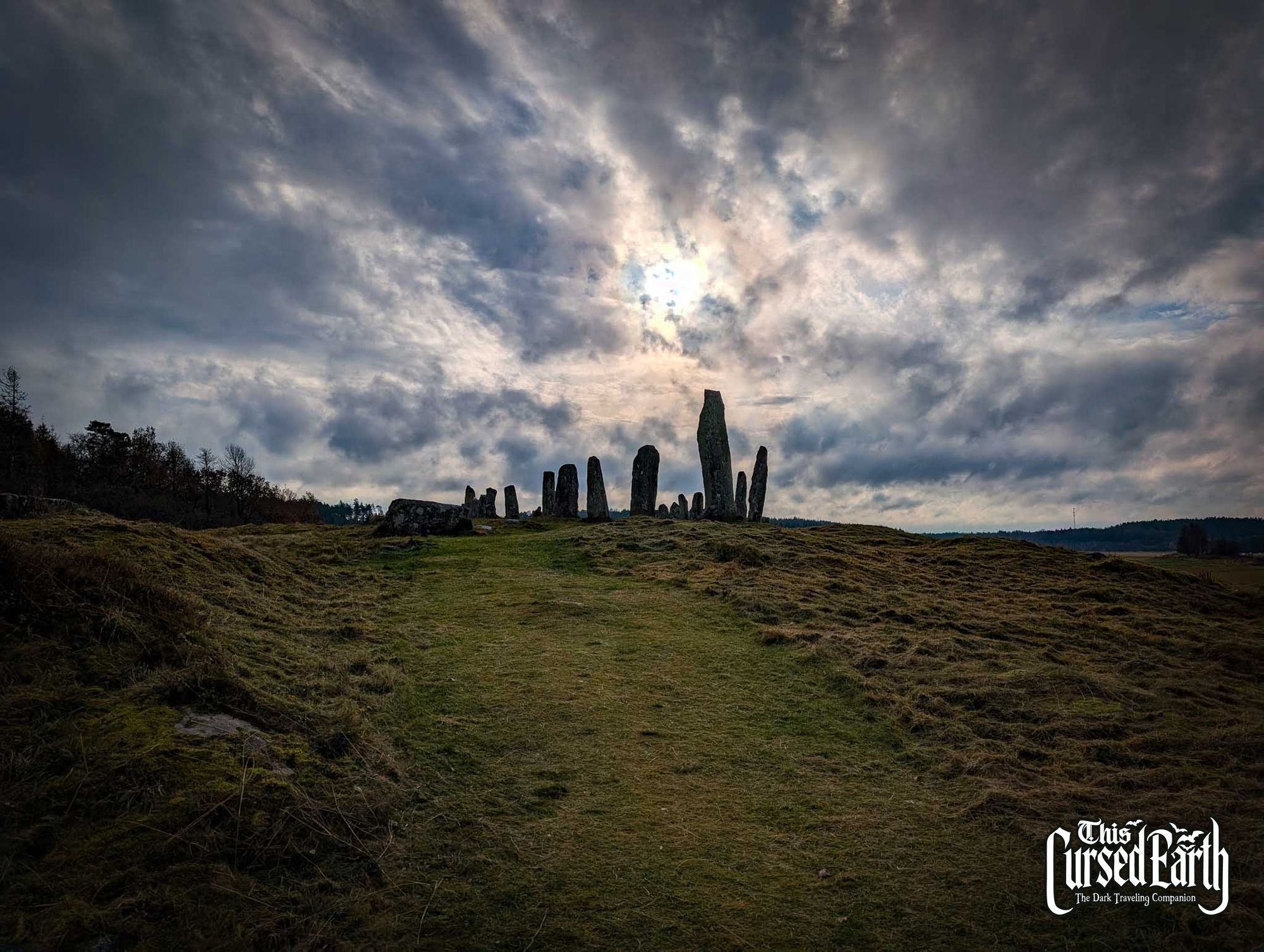
A monumental Iron Age ship setting near Strömstad, formed by 49 standing stones and surrounded by a prehistoric burial ground containing mounds, stone settings and other graves dating largely from around AD 400–600.
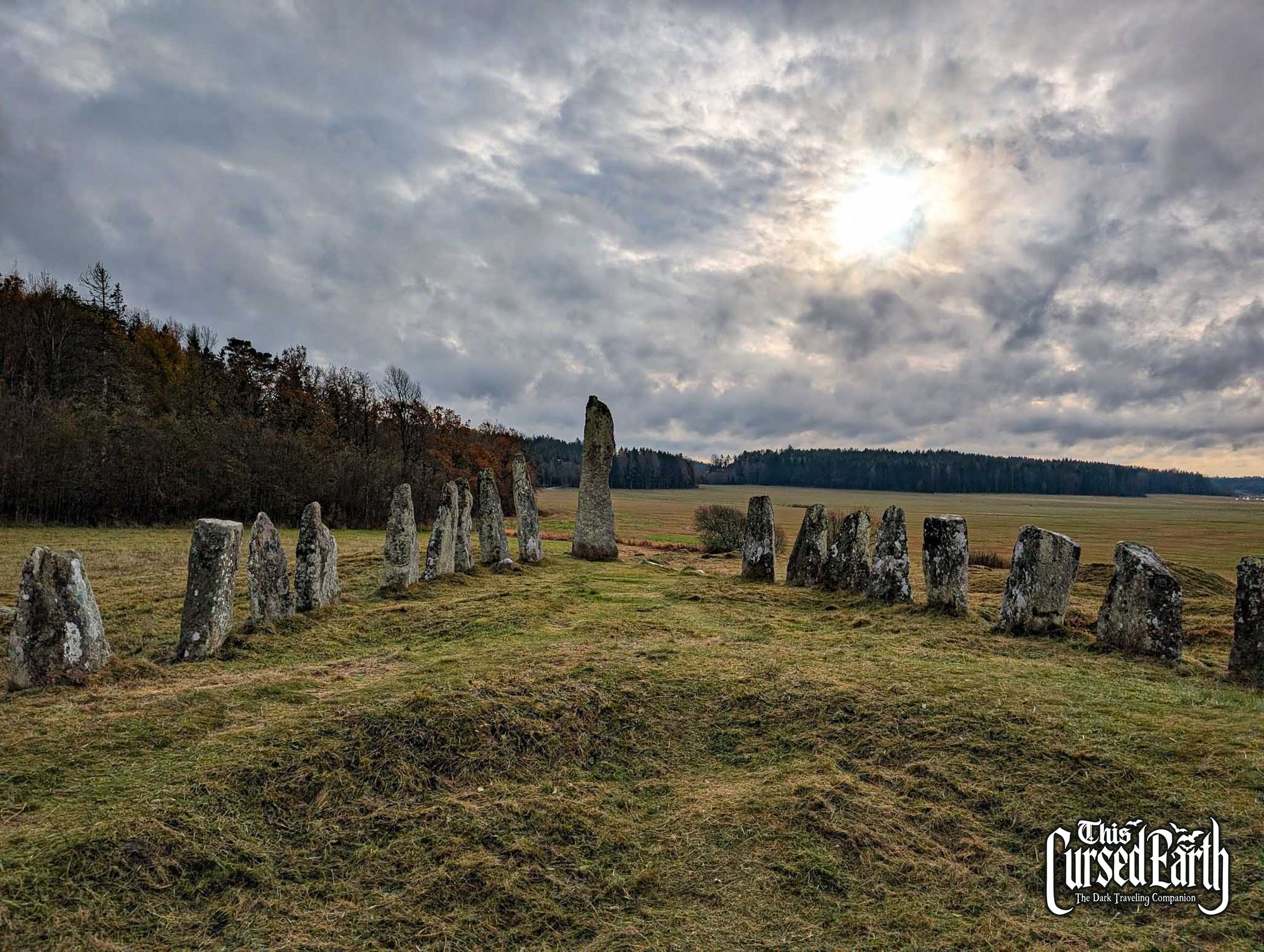
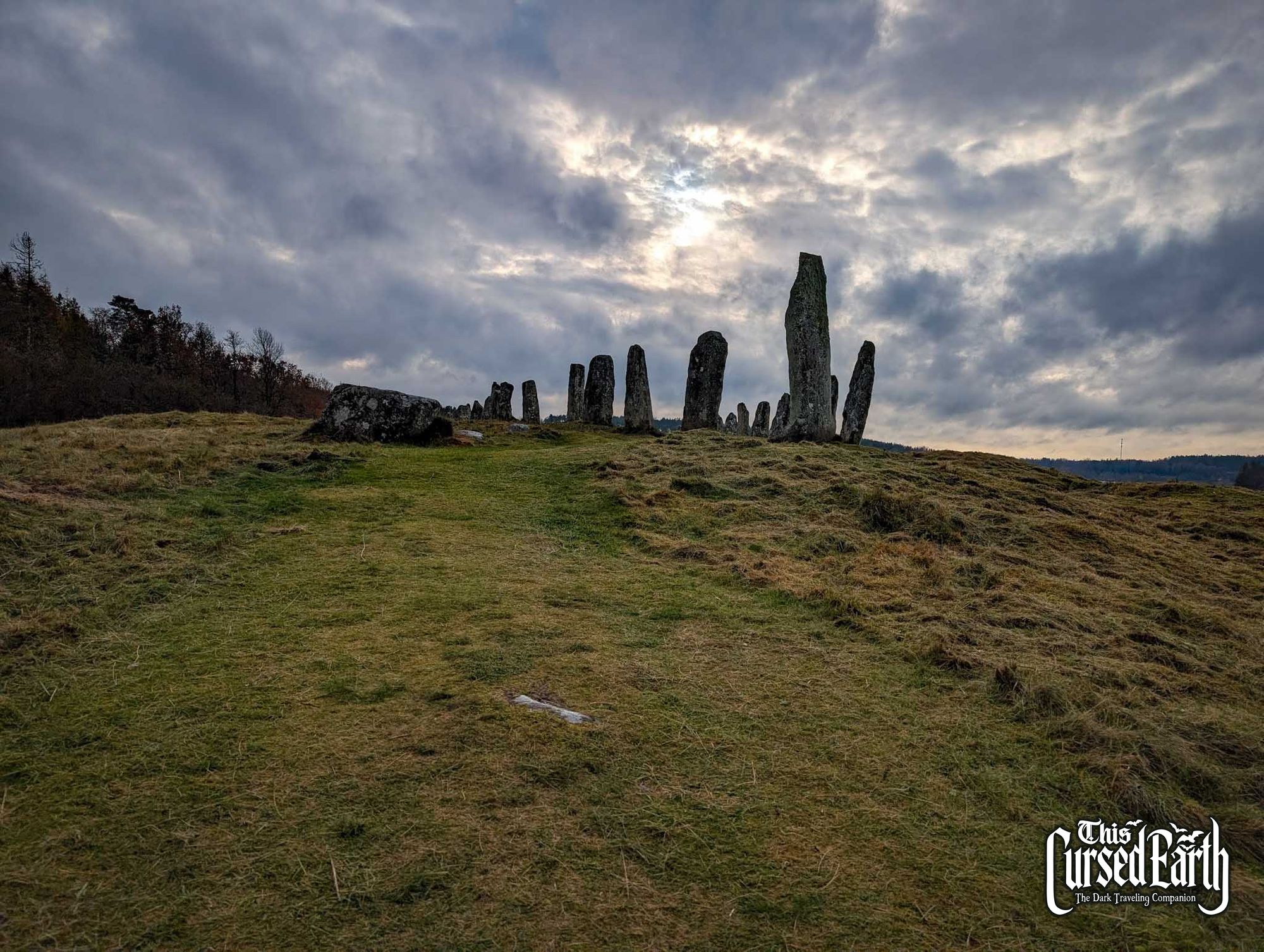
Blomsholm Stone Ship, known in Swedish as Stenskeppet or Blomsholms skeppssättning, is a large prehistoric ship setting at Blomsholm north of Strömstad. Measuring approximately 41–42 metres long and around nine metres wide, it is the largest known ship setting in Bohuslän and one of the largest surviving examples in Sweden.
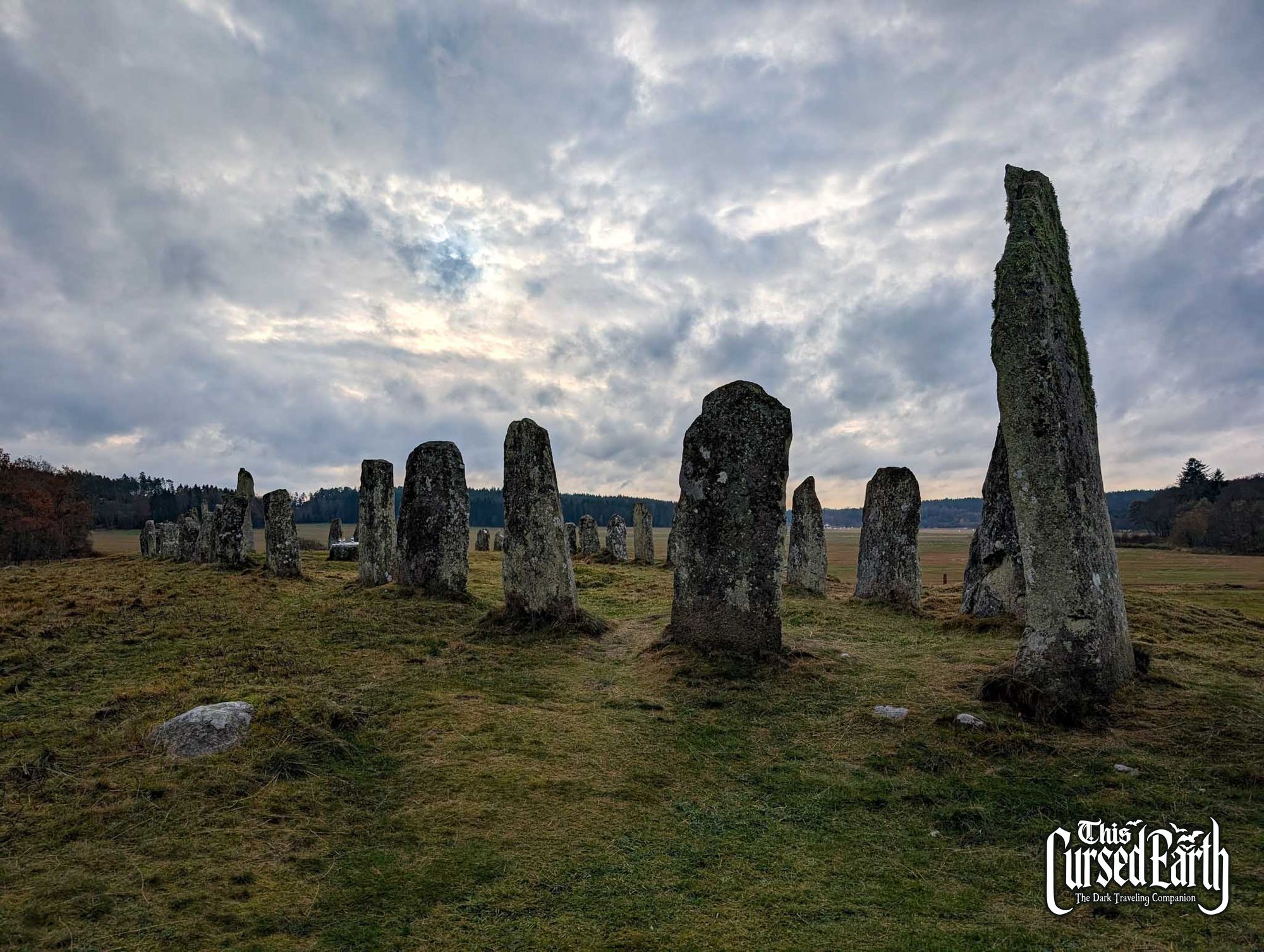
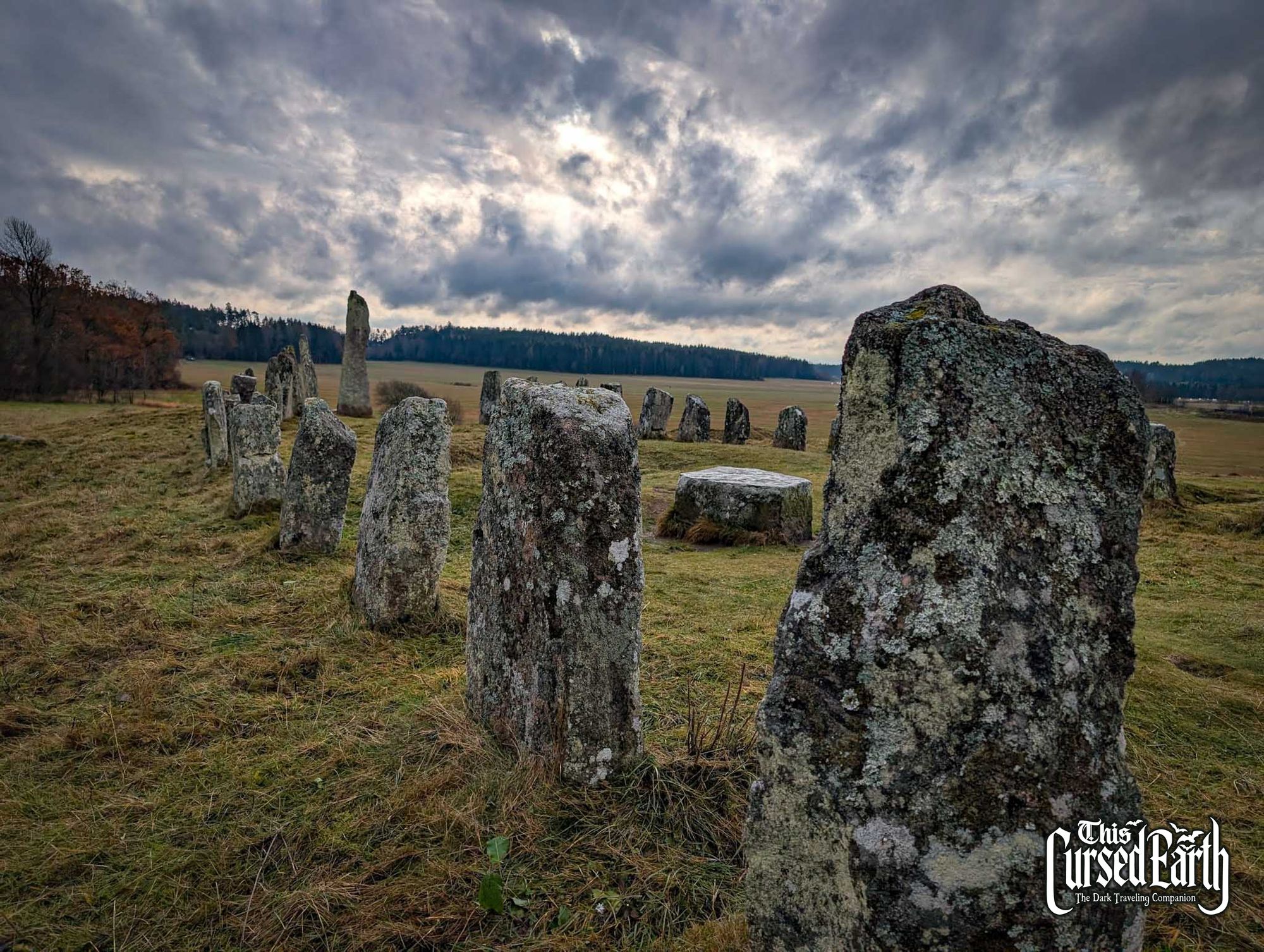
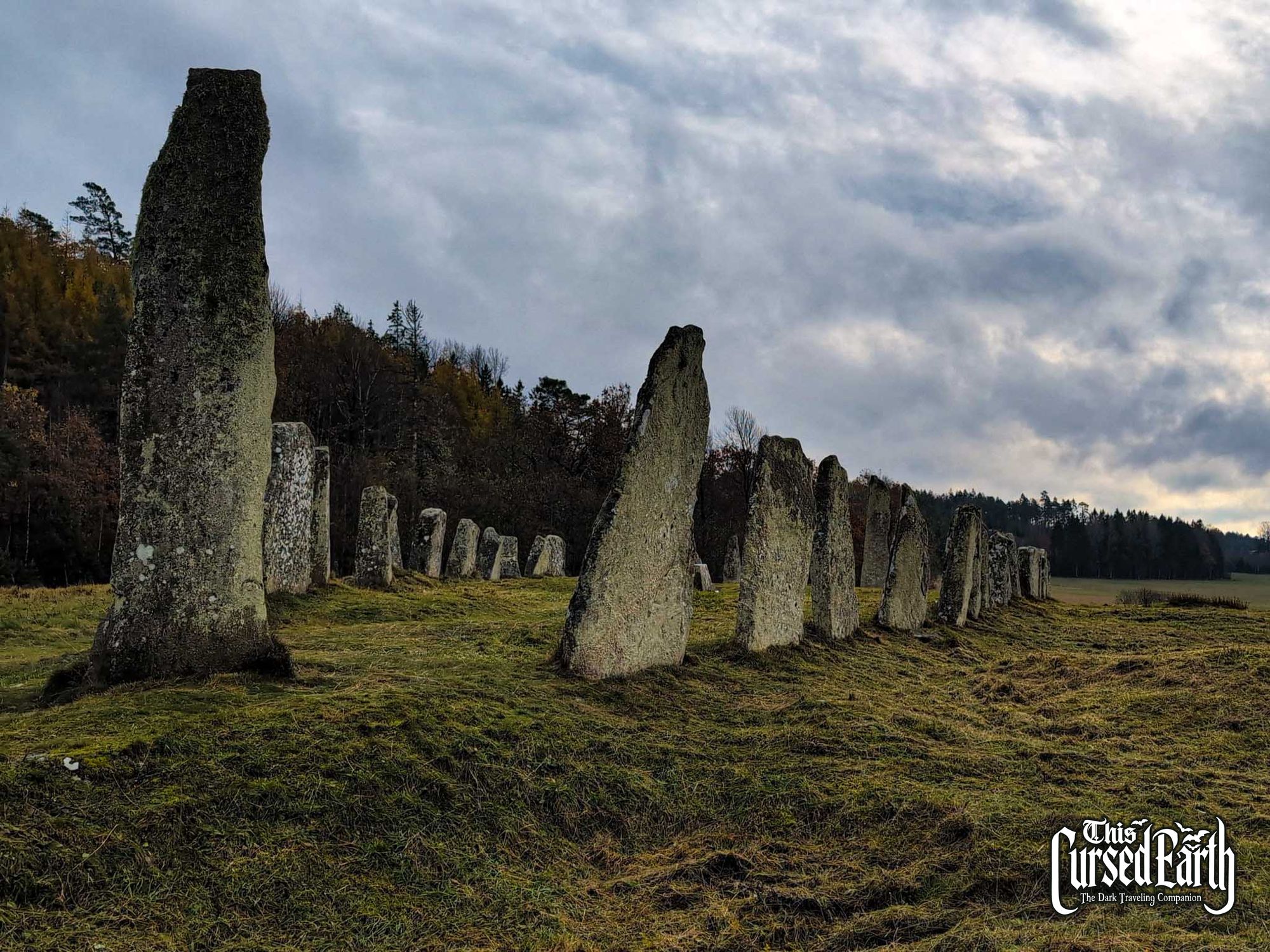
The monument consists of 49 standing stones arranged to reproduce the outline of a ship. The stones along the sides become progressively lower towards the centre, where they stand approximately one metre high, while the large stones representing the bow and stern rise to about four metres. This carefully graded arrangement creates the concave profile of a vessel when viewed from the side.
Stone ships, or ship settings, were constructed in Scandinavia during several prehistoric periods and were frequently associated with burial grounds and funerary ritual. They could contain graves or form monumental markers connected with the dead, status and ideas surrounding the symbolic importance of ships. The Blomsholm monument itself has never been archaeologically excavated, so it is not known who, if anyone, was buried directly inside it.
The surrounding archaeological evidence nevertheless places the stone ship within an extensive Iron Age cemetery. Around twenty burial mounds and stone settings lie immediately around the monument, together with additional standing stones. Excavated graves in the area have been dated primarily to approximately AD 400–600, and the ship setting is generally believed to belong to the same period. The wider Blomsholm landscape contains around 160 prehistoric graves distributed across seven burial grounds, making it one of the most important Iron Age archaeological environments in Bohuslän.
The position of the monument was considerably different when it was constructed. Land uplift has altered the coastline substantially since the Iron Age, and around 1,500 years ago the sea stood approximately five metres higher than today. A sheltered inlet extended much closer to Blomsholm, and the stone ship stood prominently above a sailing route only a few hundred metres away. Its form would therefore have been visible from vessels travelling through the surrounding waters.
Other major prehistoric monuments survive nearby. These include Blomsholm’s domarring, one of Bohuslän’s largest stone circles, and Grönehög, a large burial mound associated with the Migration Period. Together with numerous smaller graves, ancient agricultural remains and standing stones, they indicate that Blomsholm remained an important ceremonial and settlement landscape over many generations.
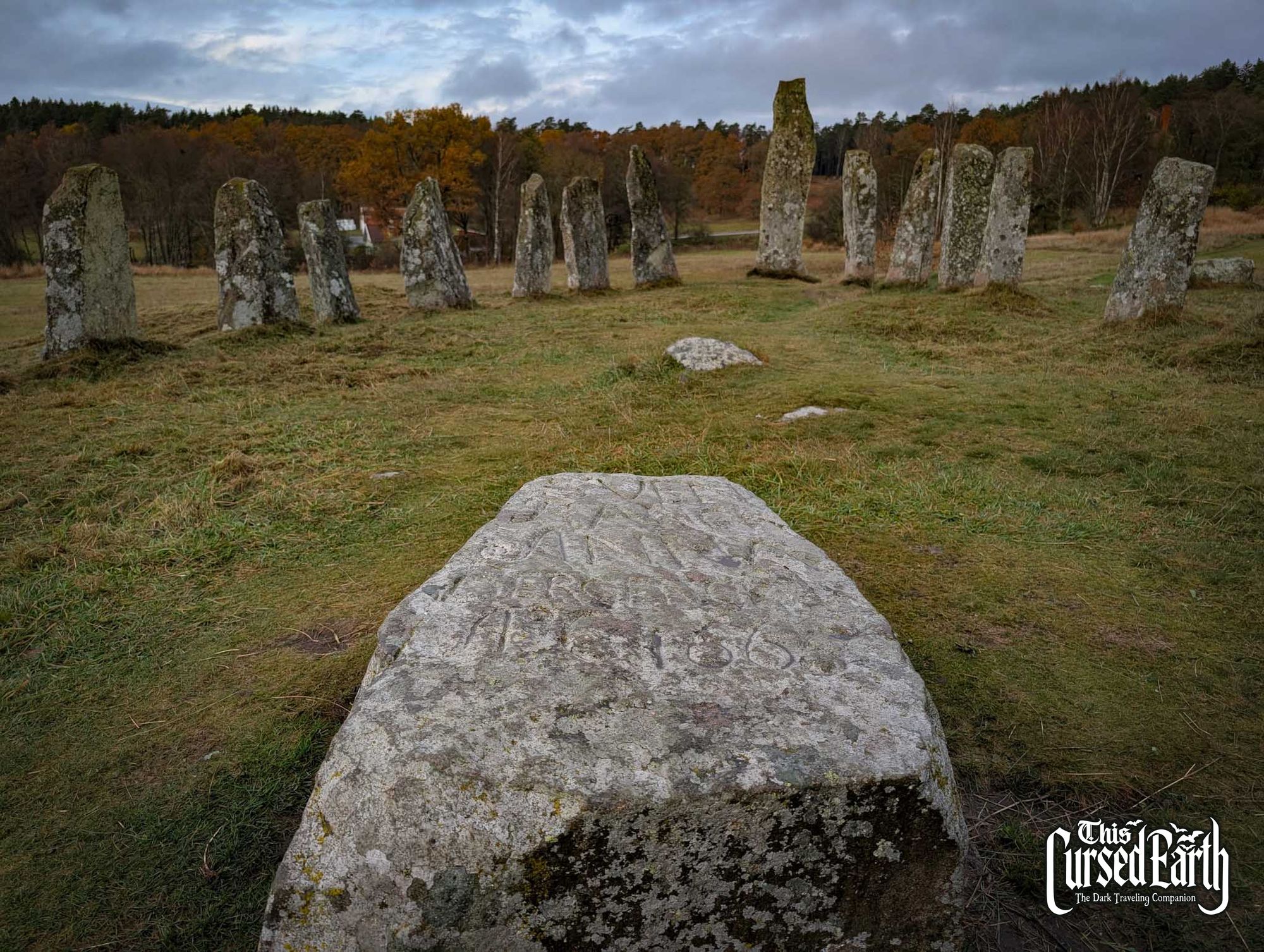
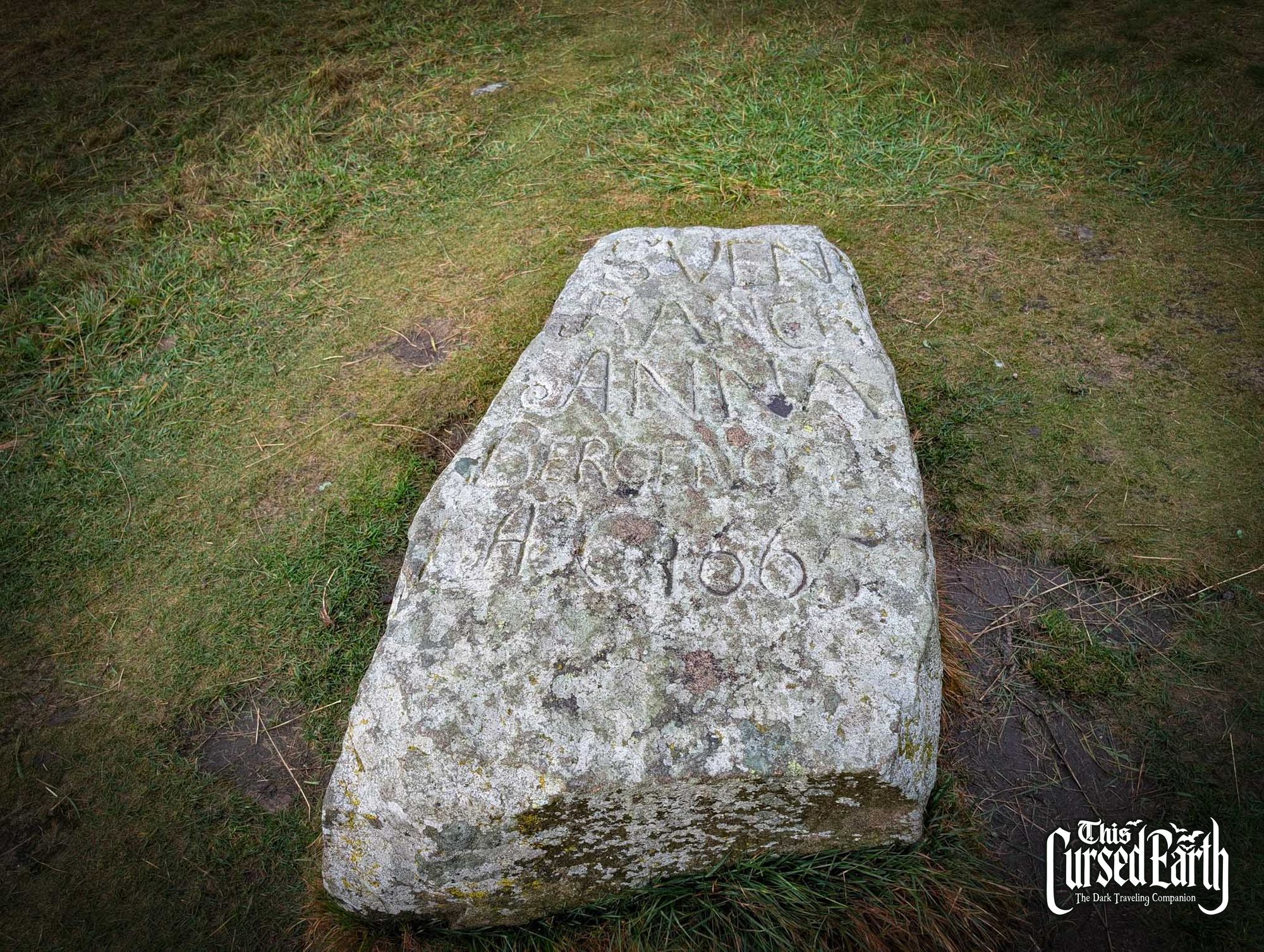
Inside the ship setting stands a much later stone bearing the inscription “Sven Ranck Anna Bergengren A.C 1665.” Sven Ranck and Anna Bergengren were owners of the neighbouring Blomsholm estate, which they had taken over the previous year. The stone is a 17th-century memorial and is not a prehistoric grave marker; neither Ranck nor Bergengren is buried within the stone ship.
The monument remains in its original agricultural landscape and is freely accessible as part of the Blomsholm archaeological area. Its function cannot be reconstructed in detail without excavation, but its scale, prominent location and position among numerous graves identify it as a major funerary monument from the later Iron Age.
Location: At Blomsholm north of Strömstad, on a raised area within an extensive Iron Age burial landscape.
Address: Blomsholm, 452 92 Strömstad, Sweden
Category: archaeological site, monument
Tags: stone ship, ship setting, standing stones, Iron Age, burial monument, grave field, burial mounds, funerary archaeology
Darkness Level: ☠ ☠ ☠ ☠ ☠ ☠
Map: Open in Google Maps
Gallery