Belém Tower
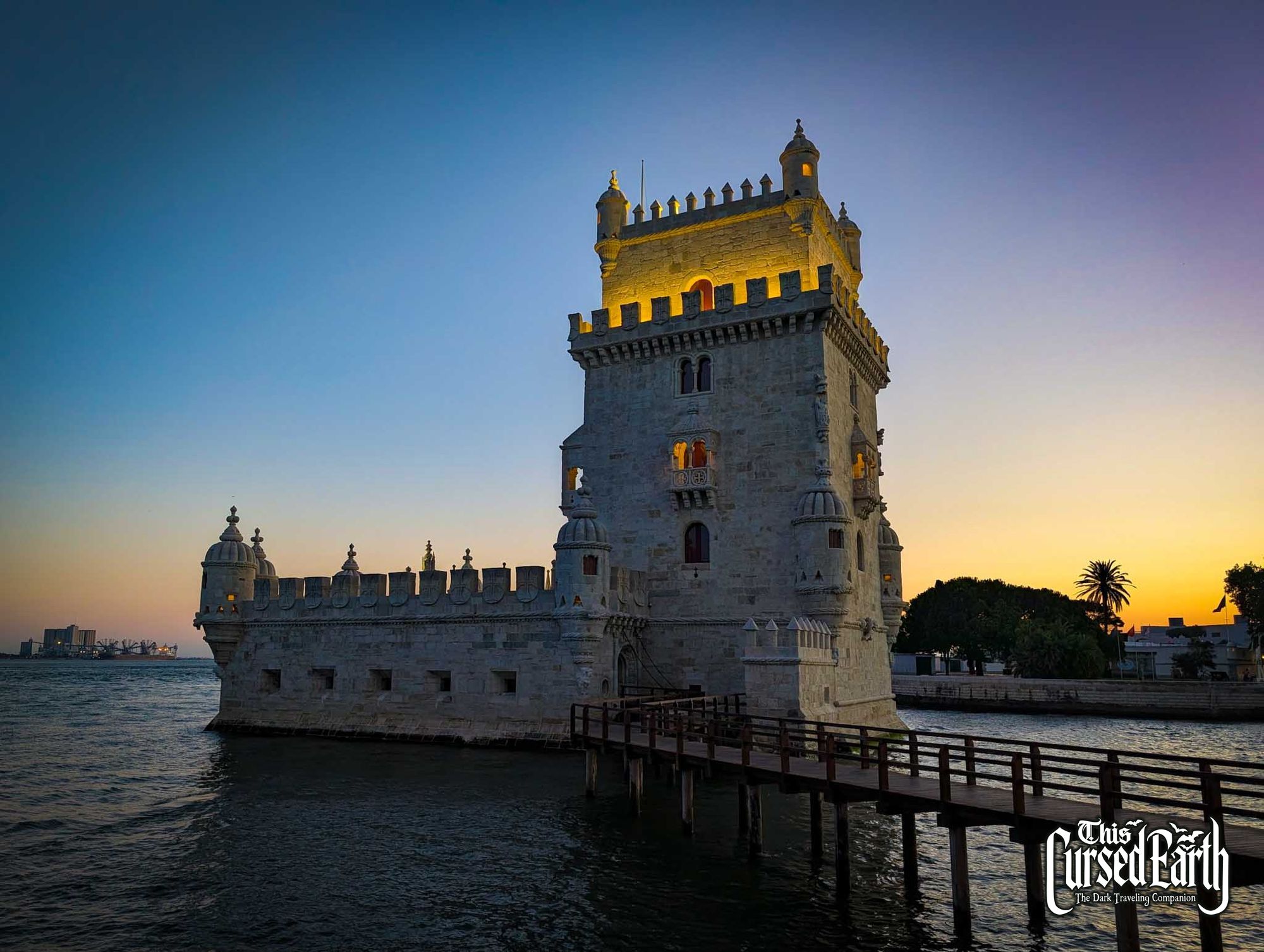
A 16th-century fortified tower guarding the entrance to Lisbon, later used for centuries as a state prison, with political prisoners confined in the former gunpowder stores beneath its artillery bastion.
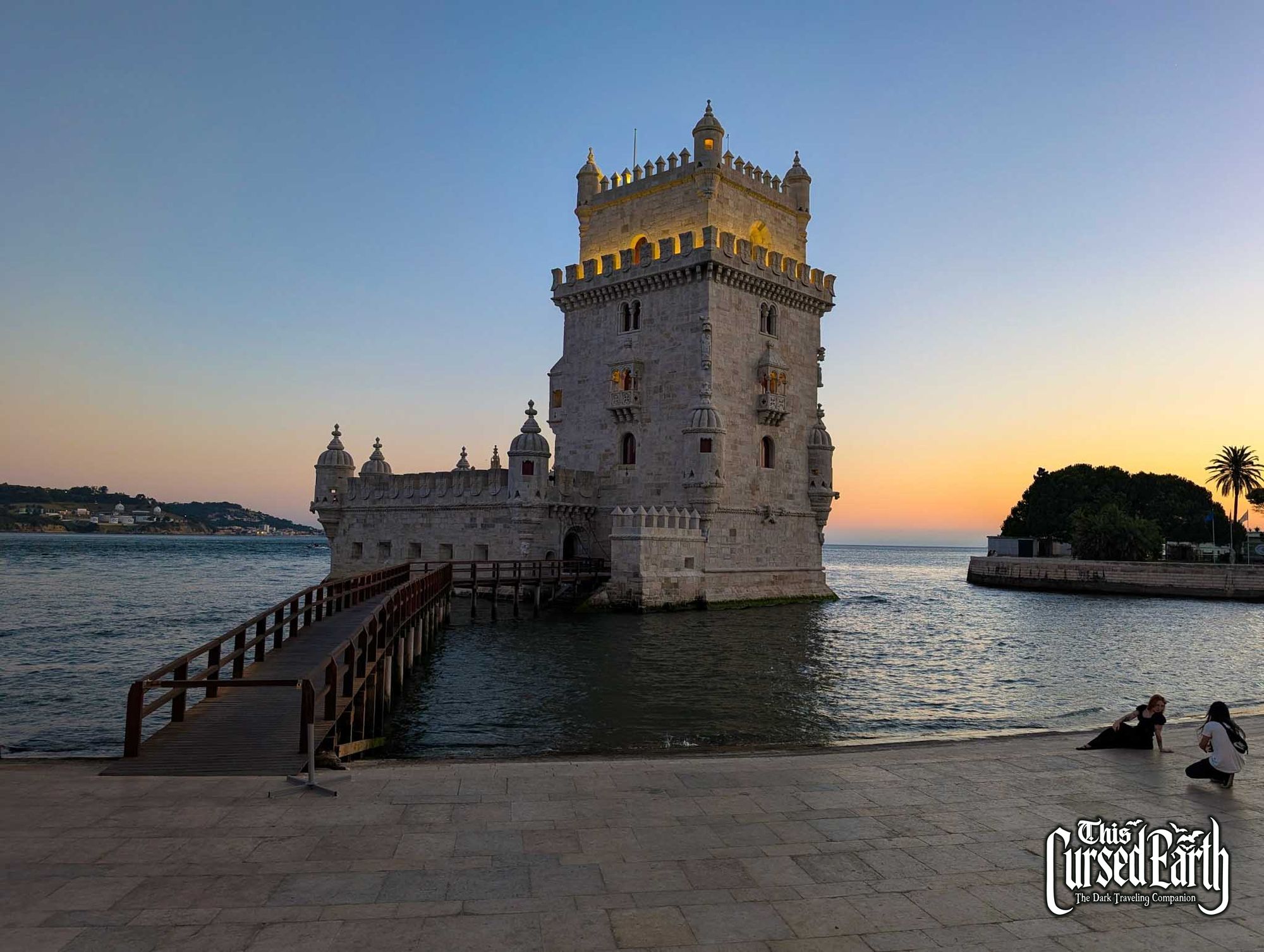
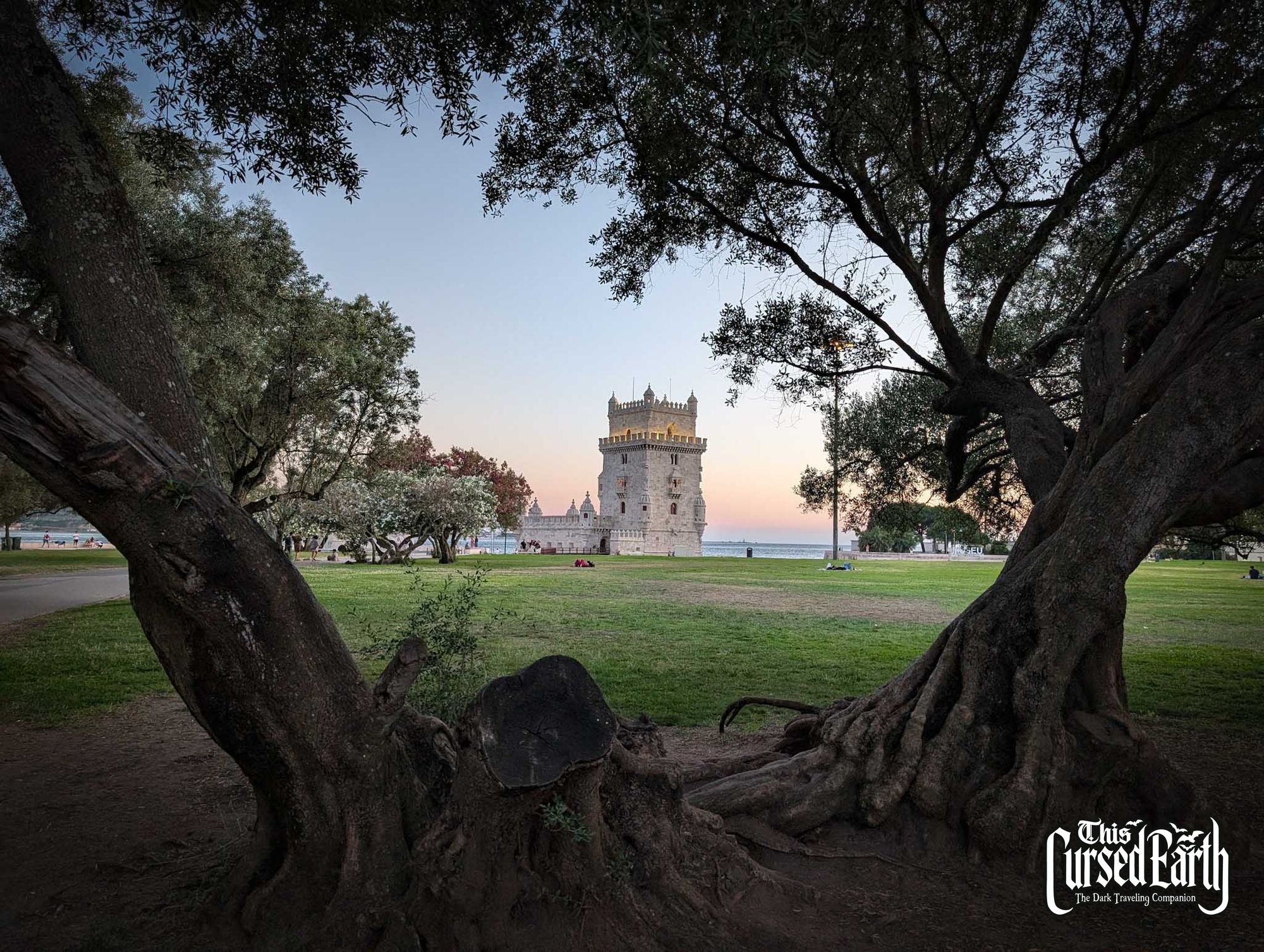
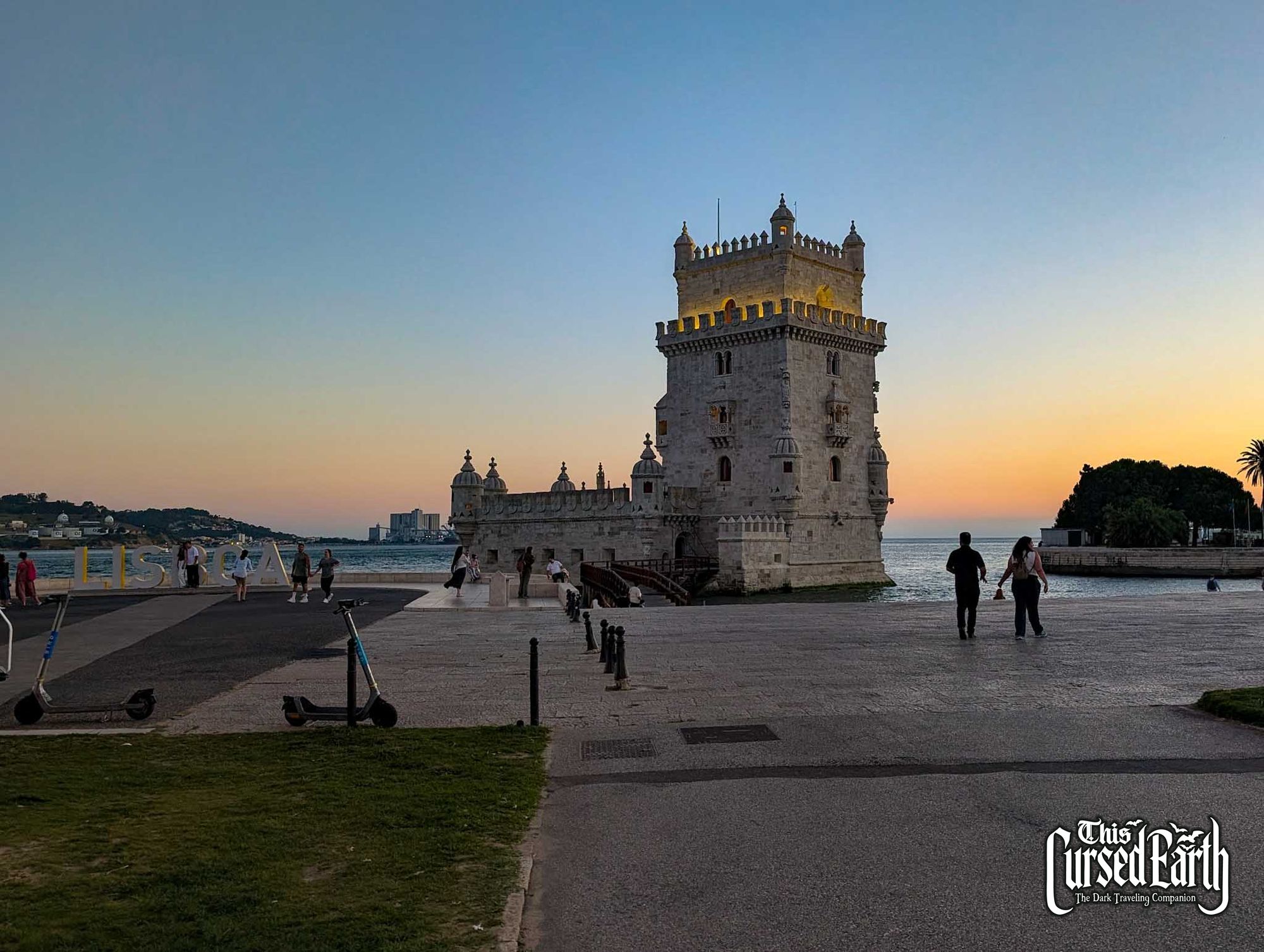
Belém Tower, known in Portuguese as Torre de Belém and originally dedicated as the Tower of Saint Vincent, stands beside the Tagus River in the Belém district of Lisbon. Construction began in 1514 under King Manuel I and was completed around 1519–1520. The military architect Francisco de Arruda directed the work, completing an earlier defensive plan conceived during the reign of King João II.
The tower formed part of a system intended to defend the entrance to Lisbon and the strategically important Tagus estuary. It worked together with fortifications at Cascais and on the opposite bank at Caparica, replacing an armed ship that had previously been anchored in the river as a floating defensive battery. Belém Tower was originally constructed on a basalt outcrop surrounded by water, some distance from the riverbank. Silting and later alterations to the shoreline gradually connected it more closely with the land.
The structure combines a tall four-storey tower resembling a medieval keep with a low artillery bastion designed for gunpowder warfare. The casemate inside the bastion contained a ring of gun positions allowing cannon fire across the water. Defensive features at the entrance included a drawbridge, portcullis and openings through which defenders could attack anyone who penetrated the gateway. At the same time, the building was designed as a ceremonial symbol of the reign of Manuel I, with elaborate Manueline carving incorporating ropes, armillary spheres, royal coats of arms and repeated crosses of the Order of Christ.
Among the tower’s most unusual carvings is a small rhinoceros on one of its exterior turrets. It was inspired by the living rhinoceros presented to Manuel I in 1515, the first live rhinoceros known to have reached Europe since antiquity. The animal attracted considerable attention in Lisbon and also inspired Albrecht Dürer’s famous woodcut. Manuel later attempted to send the rhinoceros as a gift to Pope Leo X, but the ship carrying it was wrecked off the Italian coast and the animal drowned.
The tower saw direct military action during the Portuguese succession crisis of 1580. Spanish forces commanded by the Duke of Alba advanced on Lisbon in support of Philip II of Spain, and Belém Tower surrendered after only a few hours of fighting. Portugal subsequently entered the Iberian Union under the Spanish Habsburg monarchy. From this period onwards, the fortress increasingly lost its importance as a front-line defensive position.
Beginning in 1580, the tower also became a state prison. The underground rooms beneath the artillery bastion, originally intended as storage spaces and gunpowder magazines, were converted into dungeons. Political opponents and prisoners of high social rank were confined there during the reigns of Philip I of Portugal, João IV, José I and Miguel I. Prisoners were primarily held in the basement of the bastion, although other rooms in the tower were also used for confinement. Records show that the Duke of Cadaval was imprisoned there in 1793 before being transferred to Évora.
The tower acquired several additional functions as its military importance declined. It was used for customs control of ships entering and leaving Lisbon, and foreign vessels were at one time required to pay a tax when departing the harbour. Following the catastrophic Lisbon earthquake of 1755, the government of the Marquis of Pombal used the tower to monitor shipping on the Tagus and prevent stolen property from being carried away from the devastated city.
During the French invasions of Portugal between 1808 and 1814, parts of the tower were adapted as military barracks. Later uses included a lighthouse and a telegraph signalling station. By the early 19th century the building was deteriorating, and writers and preservationists increasingly criticised its condition.
A major restoration was carried out in 1845–1846 under King Ferdinand II. The work removed later military buildings constructed above the bastion and restored or recreated decorative elements intended to emphasise the tower’s Manueline appearance. Some features visible today therefore date from this 19th-century restoration rather than from the original construction.
Belém Tower was designated a Portuguese National Monument in 1907 and, together with the nearby Jerónimos Monastery, was inscribed on the UNESCO World Heritage List in 1983. A major conservation programme carried out in 2025 and 2026 was the first substantial restoration of the monument since 1998. The tower reopened to visitors in May 2026.
Location: On the northern bank of the Tagus River in the Belém district of Lisbon.
Address: Avenida Brasília, 1400-038 Lisboa, Portugal
Category: fortress, monument
Tags: military architecture, prison, artillery fortress, state prison, political prisoners, dungeon, Portuguese Empire, Age of Discovery, rhinoceros, UNESCO
Darkness Level: ☠ ☠ ☠ ☠ ☠ ☠ ☠
Homepage: museusemonumentos.pt
Map: Open in Google Maps
Gallery