Atomic Bomb Dome
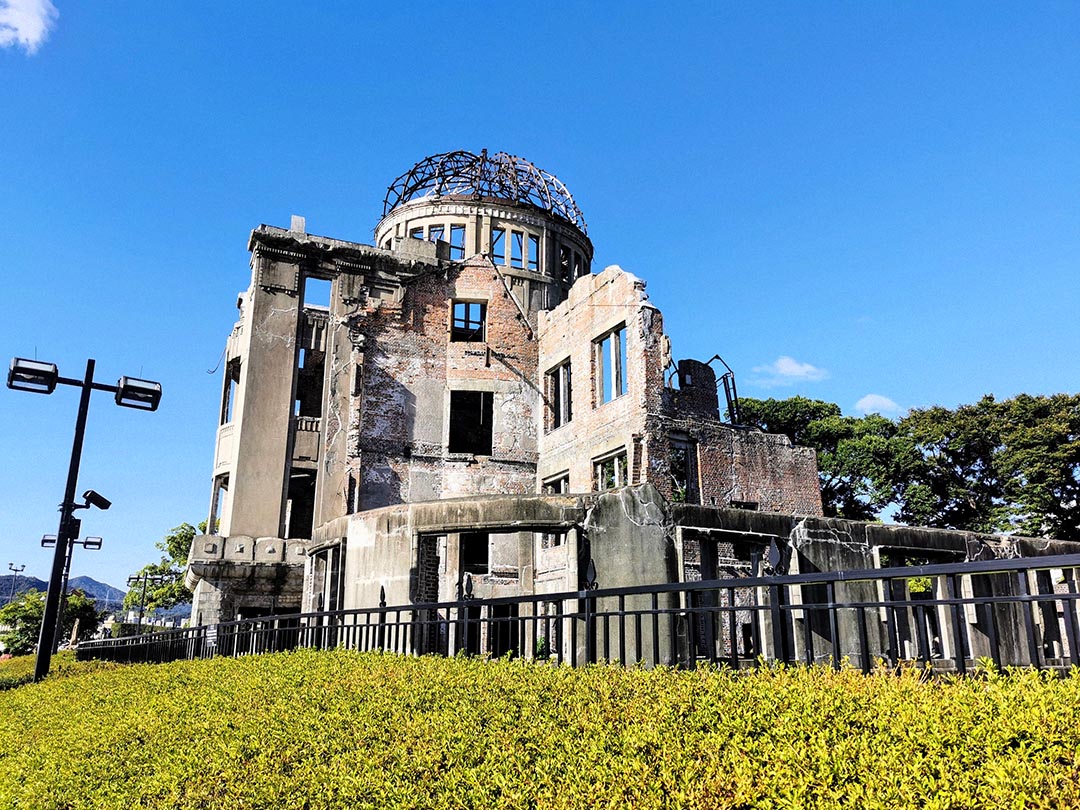
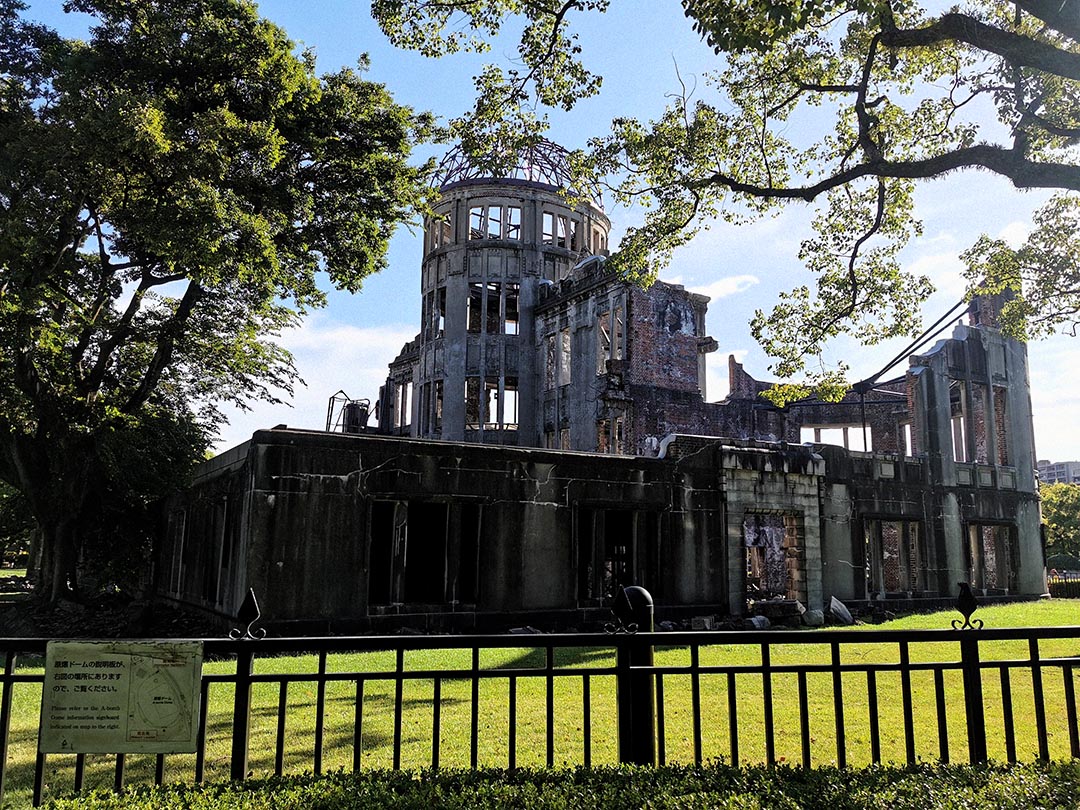
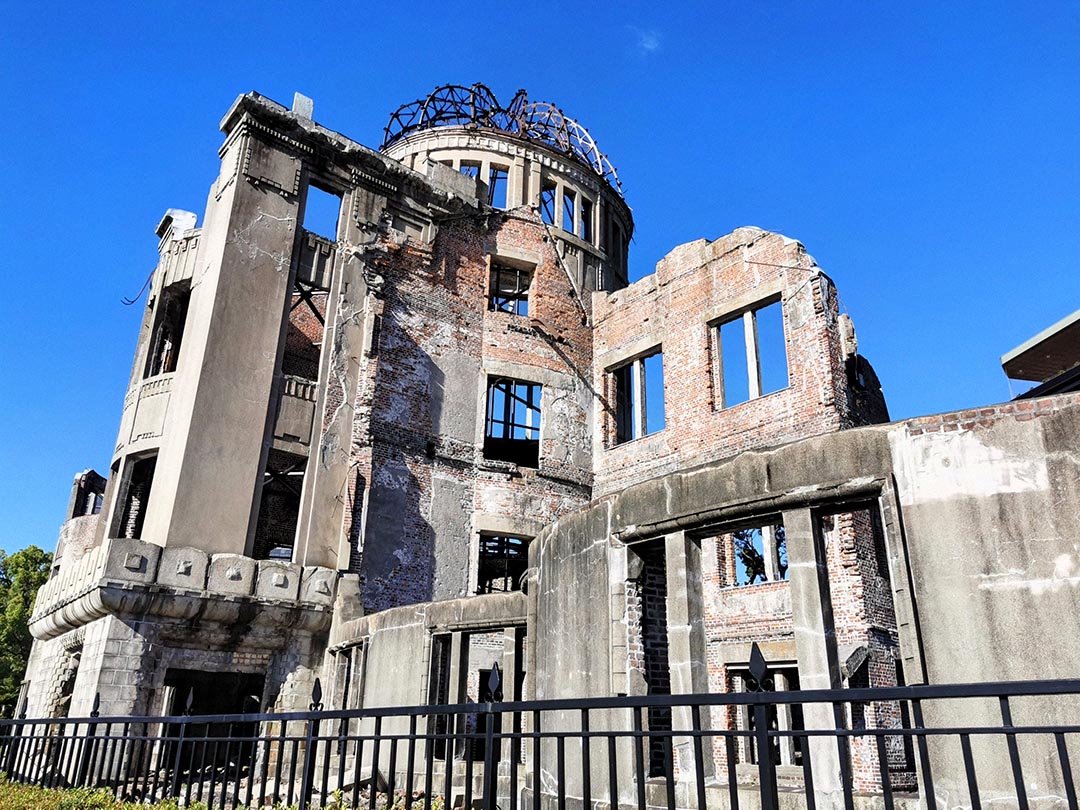
The skeletal remains of a building destroyed by the first atomic bomb used in war—now a haunting symbol of devastation and the fight for peace.
On August 6, 1945, the United States dropped the world’s first atomic bomb used in warfare on the city of Hiroshima, Japan. The Hiroshima Prefectural Industrial Promotion Hall, located near the bomb’s hypocenter, was one of the few buildings left partially standing. Today, it survives as the Atomic Bomb Dome, or Genbaku Dōmu, preserved exactly as it was in the aftermath of the blast.
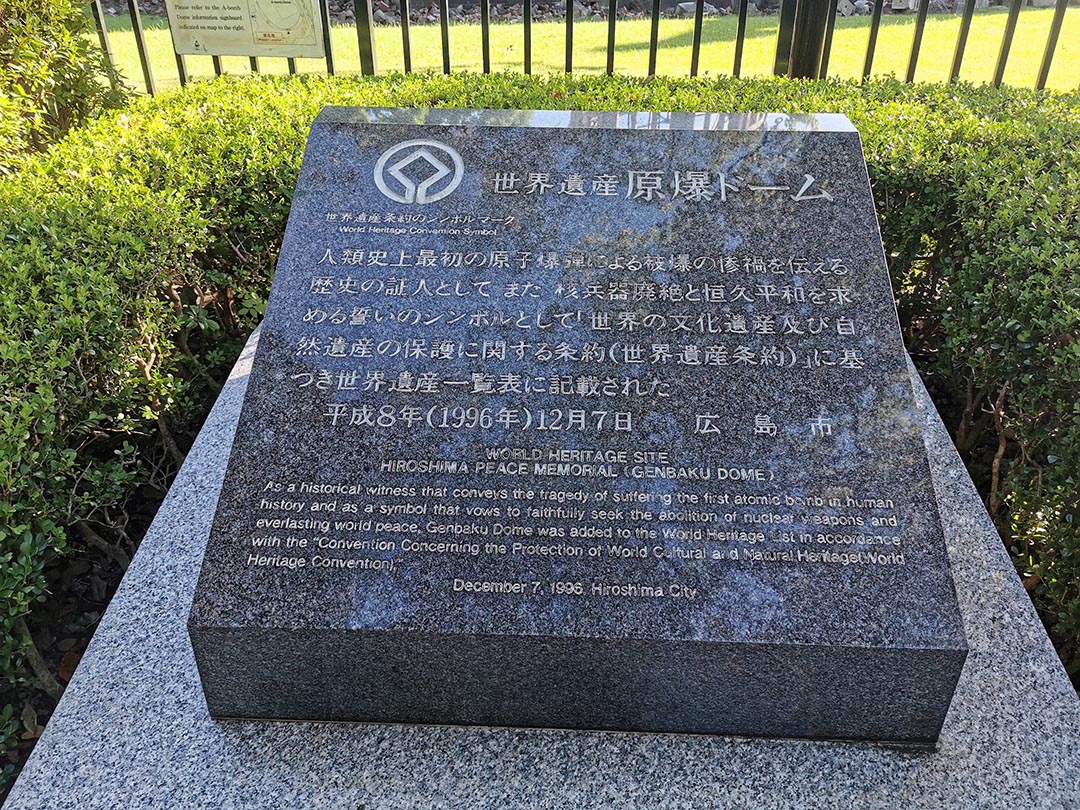
The explosion instantly killed an estimated 70,000 people, with tens of thousands more dying in the weeks and years that followed. The Dome’s charred steel skeleton and cracked brick walls remain as a stark reminder of nuclear horror. The building was designated a UNESCO World Heritage Site in 1996 and stands at the heart of Hiroshima Peace Memorial Park.
The Dome is not only a ruin—it is a warning. The surrounding park includes sobering monuments, including the Peace Memorial Museum, the Children's Peace Monument, and the eternal Flame of Peace. Despite its haunting past, the site is quiet, green, and deeply moving—a place for reflection, remembrance, and resolve.
The Atomic Bomb Dome is one of the world’s most powerful memorials. It marks a moment when human power turned apocalyptic, and serves today as a call for peace, disarmament, and collective memory.
Location: Located in Hiroshima Peace Memorial Park, Japan.
Address: 1-10 Otemachi, Naka Ward, Hiroshima, 730-0051, Japan
Category: memorial, war site, historical ruin, UNESCO site
Tags: Atomic Bomb Dome, Hiroshima, Genbaku Dome, nuclear war, peace memorial
Darkness Level: ☠ ☠ ☠ ☠ ☠ ☠ ☠ ☠ ☠ ☠
Homepage: hpmmuseum.jp
Map: Open in Google Maps
Gallery