10-Z Bunker
A former top-secret nuclear shelter beneath Špilberk Hill in Brno, originally excavated during the Second World War and later rebuilt to protect 500 key city and regional officials for three days after a nuclear or chemical attack. Preserved generators, air-filtration equipment and communications systems survive alongside a far darker exhibit: a death-cell door bearing messages carved by prisoners awaiting execution. Now a chilling museum — and an overnight stay for the brave.
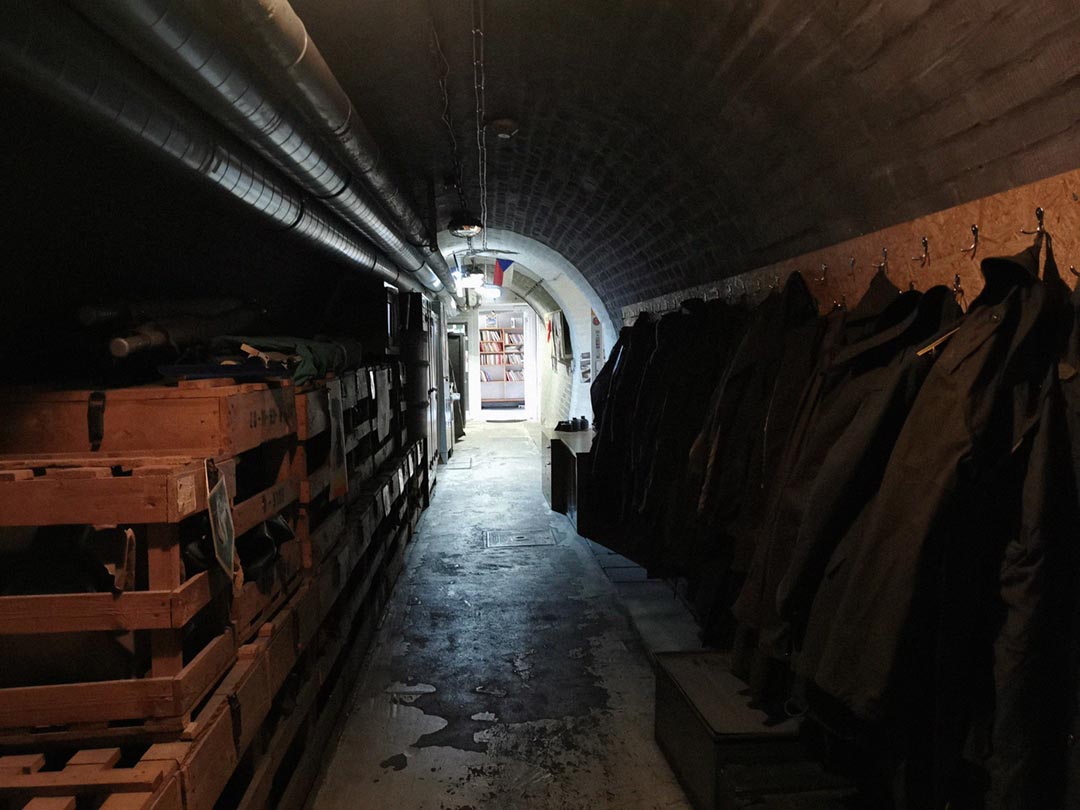
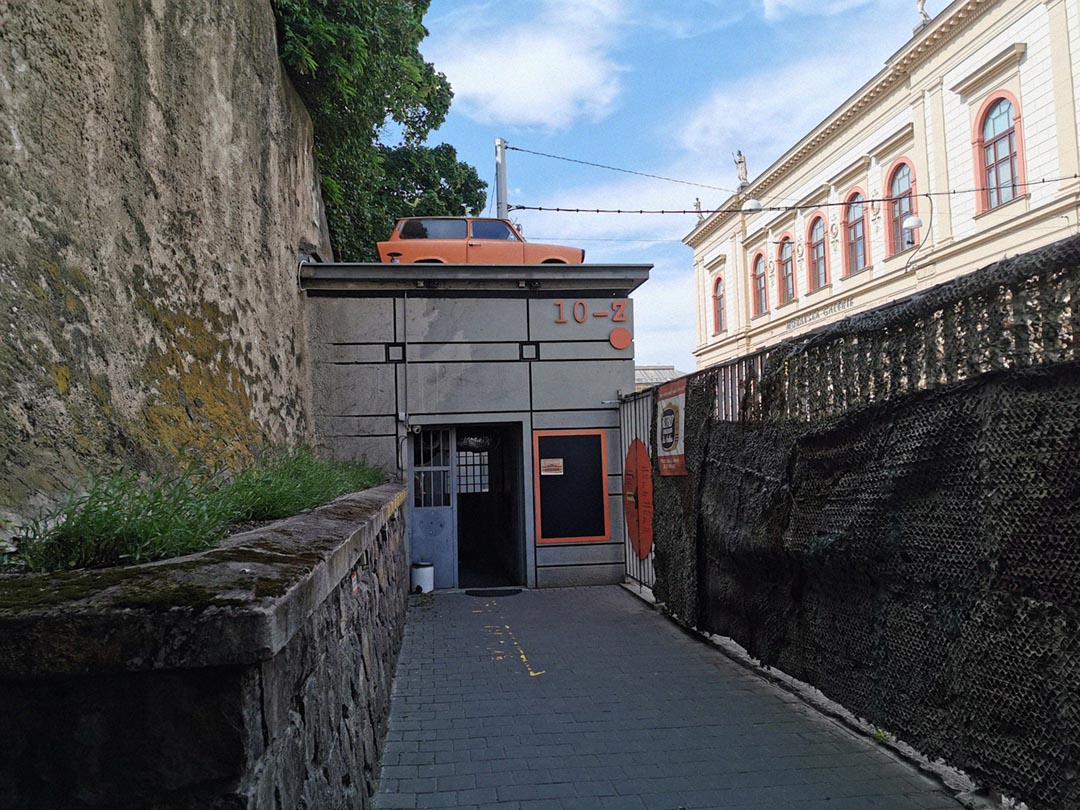
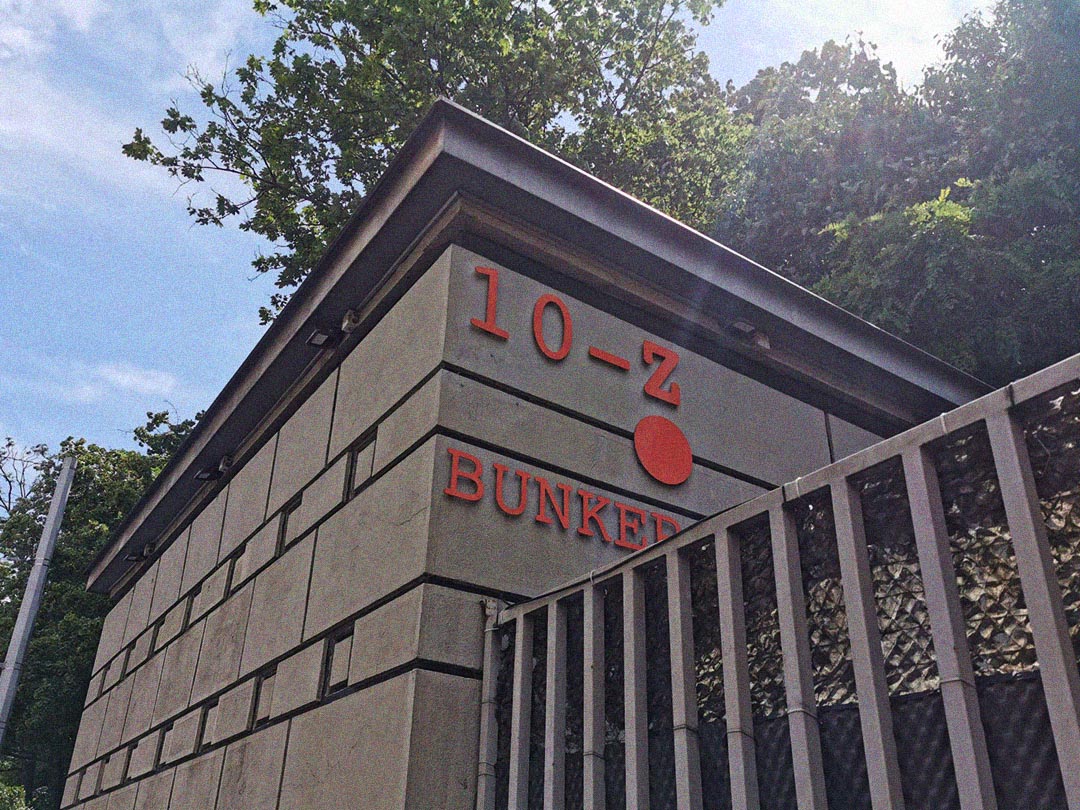
10-Z Bunker is an extensive underground shelter beneath Špilberk Hill in the centre of Brno. Hidden behind an inconspicuous entrance on Husova Street, approximately 500 metres of tunnels lead through former dormitories, technical rooms, command areas and communications facilities. During the Cold War its existence was classified, and the complex was intended to keep up to 500 essential city and regional personnel alive for three days following a nuclear, chemical or biological attack.
The underground complex began during the German occupation of Czechoslovakia. As Allied bombing increasingly threatened Brno, tunnels were excavated into the hillside as a Luftschutz air-raid shelter. The work was still incomplete when the city suffered its first major American air raid in November 1944, but parts of the shelter were already being used by civilians and military personnel seeking protection from the bombing.
The end of the war briefly gave the tunnels a much more ordinary purpose. In 1946, wine merchants Hermann Löwy and Karel Šmíd established a wholesale wine business inside the former shelter, taking advantage of its cool and stable underground conditions. The enterprise lasted less than two years. Only two days after the Communist seizure of power in February 1948, the new authorities confiscated the premises.
The tunnels subsequently acquired their most secretive role. During the escalating Cold War they were expanded and converted into a hardened command shelter, completed in 1959 under the code designation 10-Z. It was intended primarily for politicians, administrators and other people considered essential to keeping Brno and the surrounding region functioning after an attack rather than for the general population.
The shelter was designed as a self-contained environment. It had its own water supply, diesel-powered electrical generator, air-filtration system and telephone exchange, allowing those inside to remain cut off from contaminated air outside. Heavy doors could seal different sections of the complex, while the ventilation equipment was intended to remove radioactive dust and chemical agents before air entered the occupied areas.
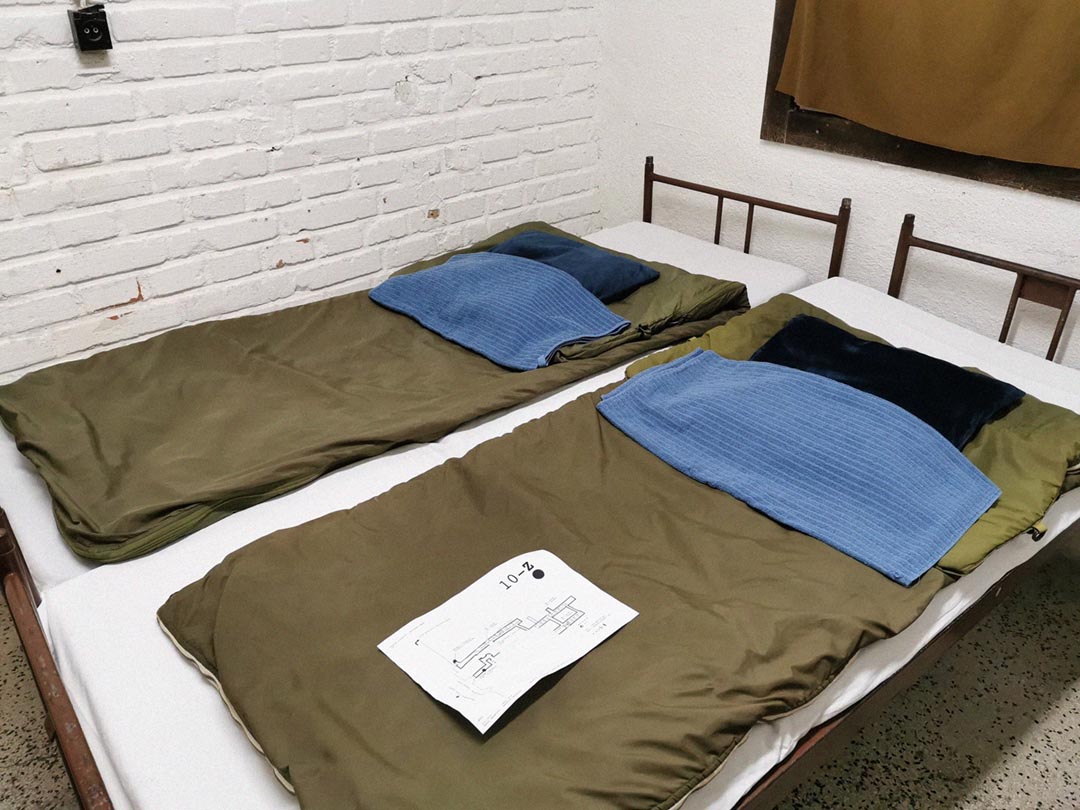
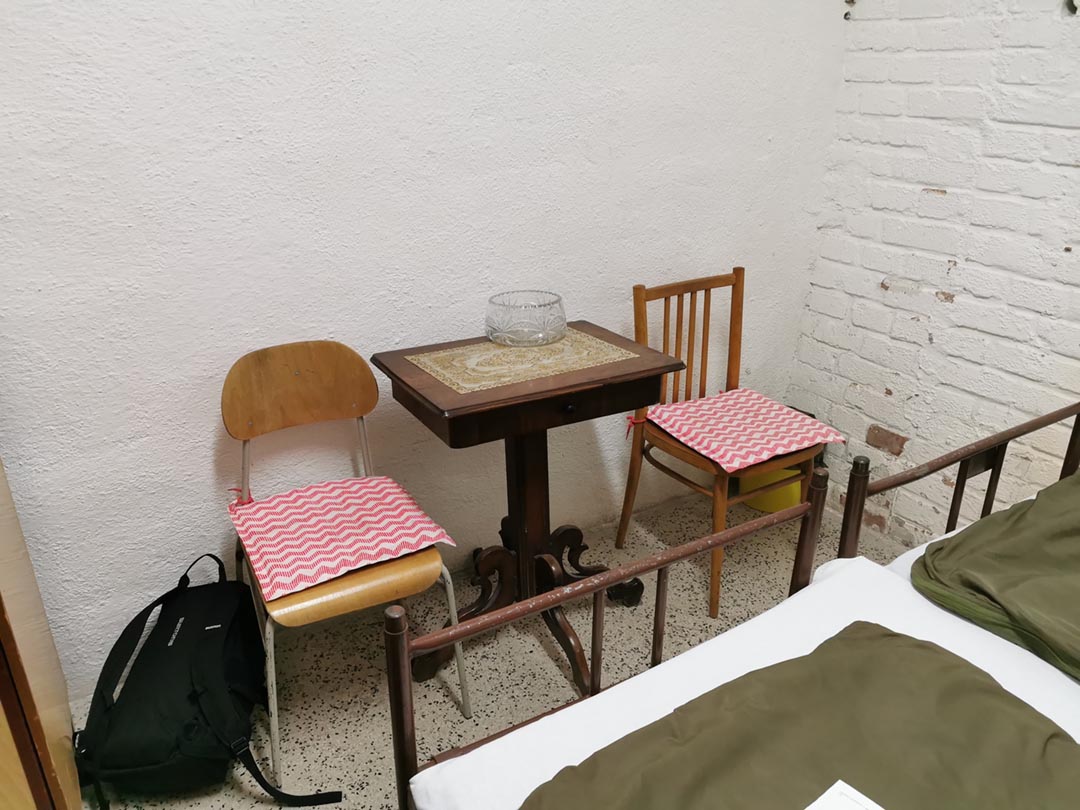
Accommodation was considerably less elaborate than the importance of its intended occupants might suggest. Rows of simple beds and narrow rooms were arranged along the corridors, with little privacy and few comforts. In an actual emergency, hundreds of people would have been confined together underground while communication specialists and administrators attempted to maintain some form of government above a city that might have suffered nuclear devastation.
Fortunately, 10-Z was never required for its intended Cold War purpose. Apart from exercises and readiness drills, the bunker remained unused during an actual emergency. It nevertheless stayed under military control and was kept classified until the Czech Army transferred it to the City of Brno in 1993, four years after the collapse of communist rule in Czechoslovakia.
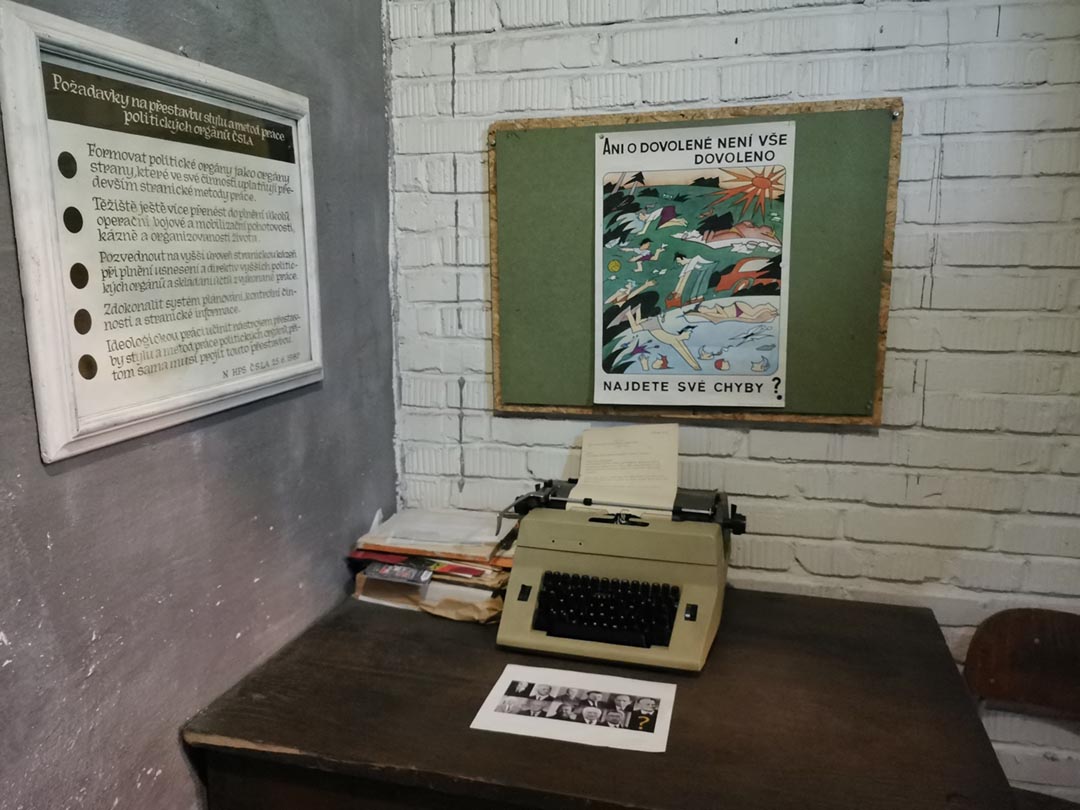
Much of the original technical equipment remains in place. The preserved diesel generator, filtration room and telephone switchboard make 10-Z more than a collection of Cold War objects placed inside an old tunnel. They are components of the system that was actually supposed to operate here if nuclear war reached Brno.
One of the most disturbing objects in the bunker has nothing directly to do with nuclear war. The exhibition contains a restored door from a death cell at the former prison on Cejl Street. Prisoners awaiting execution under different regimes carved names, dates, words and final messages into its wood. The Cejl prison was used for political prisoners under both Nazi occupation and communist rule, and executions continued there during the Stalinist period after 1948.
The door gives the bunker a direct connection with the repression taking place above ground while 10-Z was being transformed into a protected command centre. Political leaders and key officials were being provided with a sophisticated shelter against future catastrophe at the same time that opponents of the new regime could be imprisoned and executed elsewhere in Brno.
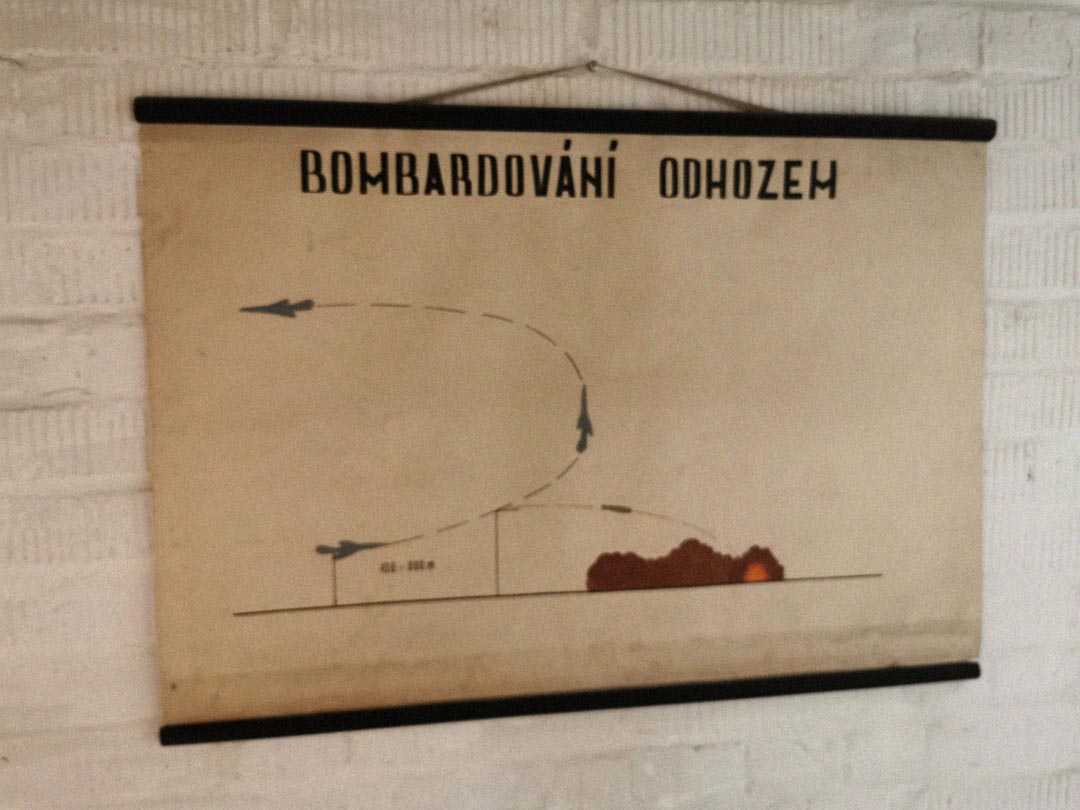
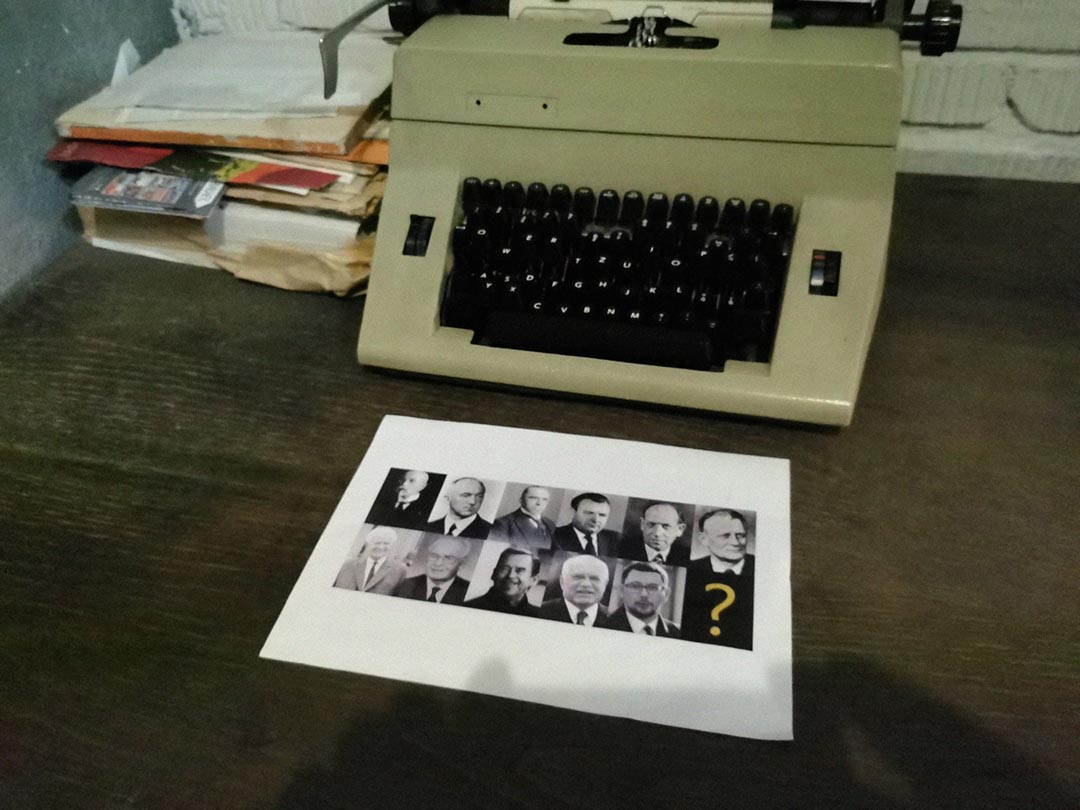
The bunker was opened permanently to the public in 2016. Its exhibition combines the technical history of the shelter with personal stories, archival material and audiovisual installations dealing with both the Second World War and communist Czechoslovakia. Visitors can still move through much of the original labyrinth rather than following a heavily reconstructed museum environment.
10-Z also has an unusually literal second life as a hostel. Some former shelter rooms have been fitted with simple military-style beds, allowing people to spend the night inside the bunker. The accommodation deliberately retains much of the Cold War appearance rather than disguising the concrete corridors and institutional surroundings as a conventional hotel.
The transformation creates a strange contrast. A complex built in secrecy to preserve a small group of officials after nuclear attack is now open to anyone willing to descend beneath Brno – and even sleep there. Yet the generators, filters, sealed doors and communications equipment still reveal the seriousness with which its original designers prepared for a world outside that might suddenly become uninhabitable.
Location: Located beneath Špilberk Castle in Brno, Czech Republic.
Address: Husova 12, 602 00 Brno, Czech Republic
Category: bunker, museum, cold war, hotel
Tags: bunker, Cold War, underground shelter, hotel, hostel
Darkness Level: ☠ ☠ ☠ ☠ ☠ ☠ ☠ ☠
Homepage: 10-z.cz
Map: Open in Google Maps
Gallery